
Trinetra Ganesh Temple Ranthambore
- Home
- Tour Package
- Trinetra Ganesh Temple Ranthambore
Trinetra Ganesh Temple Ranthambore
Trinetra Ganesh Temple Ranthambore: The Complete Guide to Timings, History, and Visiting the Fort
Ask anyone who’s been to Ranthambore what surprised them most, and a good number won’t mention the tigers. They’ll mention the temple.
Trinetra Ganesh Temple sits inside Ranthambore Fort, roughly 12 kilometers from Sawai Madhopur, and it’s one of the very few places in India where Lord Ganesha is worshipped alongside his entire family — not just the elephant-headed god alone, but his wives, his sons, and his mouse, all in one shrine. Add a three-eyed idol with a war legend attached to it, and a postbox that fills up with wedding invitations addressed directly to the deity, and you understand why this small hilltop temple has become as much a part of a Ranthambore trip as the safari itself.
This guide covers what you’ll actually need on the ground: current timings, how the temple relates to the fort, the real history behind it, the address for the letter-writing tradition, what visitors say once they’ve been, what’s inside the sanctum, and how to time the whole thing around your safari without wasting a morning.
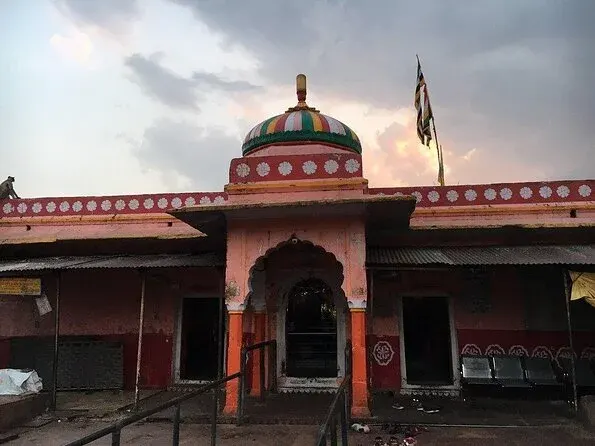
Trinetra Ganesh Temple Ranthambore History
Trinetra Ganesh Temple Ranthambore History
The story starts in 1299 AD, during the siege of Ranthambore Fort by Alauddin Khilji’s army. King Hammir Dev, the Chauhan ruler defending the fort, was running low on grain and supplies as the siege stretched on. He was a devoted follower of Ganesha, and according to temple lore, the deity appeared to him in a dream one night and told him his troubles would be resolved by morning.
The next day, an idol of Ganesha with three eyes is said to have emerged from one of the fort’s walls. The grain stores were mysteriously replenished, and the tide of the siege turned. In the year 1300 AD, Hammir Dev constructed a temple at that location, placing the idol there along with Riddhi and Siddhi, who are his consorts, as well as Shubh and Labh, his sons.
That’s the legend as it’s told locally, and you’ll hear a version of it from every priest and guide at the fort. What’s worth knowing beyond the legend: Ranthambore Fort itself is part of the Hill Forts of Rajasthan, a UNESCO World Heritage Site, and Hammir Dev’s resistance against Khilji is genuinely one of the notable chapters in Rajput history — not just temple folklore. If you enjoy history alongside your travel, the fort’s ramparts and gateways are worth 20 extra minutes after darshan.
One thing worth being upfront about: you’ll see the temple described everywhere as “the only temple in the world” with Ganesha’s full family. It’s rare, and it’s genuinely distinctive, but treat that specific claim as popular belief rather than a verified fact. It doesn’t take anything away from the visit — if anything, the story behind it matters more than the superlative.
The story begins in 1299 AD, when Alauddin Khilji’s army laid siege to Ranthambore Fort. Inside, the Chauhan ruler Hammir Dev watched his grain and supplies shrink with every passing week. A devoted follower of Lord Ganesha, he prayed for a way out. According to temple lore, Ganesha appeared in his dream one night and promised that his troubles would be resolved by morning.
The next day, an idol of Ganesha with three eyes is said to have emerged from one of the fort’s walls. The grain stores were mysteriously replenished, and the tide of the siege began to turn. In 1300 AD, Hammir Dev built a temple at that very spot and installed the idol there, along with Riddhi and Siddhi, Ganesha’s consorts, and his sons Shubh and Labh.
That is the legend as it is told locally, and every priest and guide at the fort will share a version of it. Beyond the folklore, though, Ranthambore Fort is part of the Hill Forts of Rajasthan, a UNESCO World Heritage Site, and Hammir Dev’s resistance against Khilji is a genuine and notable chapter in Rajput history. If you enjoy history alongside your travels, the ramparts and gateways are worth an extra 20 minutes after darshan.
One honest note: the temple is often called “the only temple in the world” with Ganesha’s full family. It is rare and truly distinctive, but treat that claim as popular belief rather than verified fact. It takes nothing away from the visit, because the story behind the shrine matters far more than the superlative.
Trinetra Ganesh Temple Ranthambore Inside
Once you’ve made the climb (more on that below), the temple itself is modest in scale, which surprises a lot of visitors who expect something grander given how much they’ve heard about it.
Inside, the idol of Ganesha sits with three eyes — the detail that gives the temple its name — flanked by Riddhi and Siddhi. Shubh and Labh, his sons, are placed alongside, and his vehicle, the mouse, sits near the base of the shrine. The idol is believed to be Swayambhu, meaning self-manifested rather than carved and installed, which is part of why it’s treated with such reverence.
The inner sanctum is small, so darshan tends to move in a steady flow rather than a long standstill queue, except during festivals. You’ll notice a designated postbox near the entrance — this is where the temple’s famous letter tradition happens, and it’s worth pausing at even if you’re not participating, since watching priests sort through the day’s stack of wedding cards is its own small window into how alive this tradition still is.
Shoes come off before entering, and there’s a shoe-storage point near the gate. Photography inside the main sanctum is generally restricted, especially with flash, so it’s worth asking a priest or guard before you start shooting.
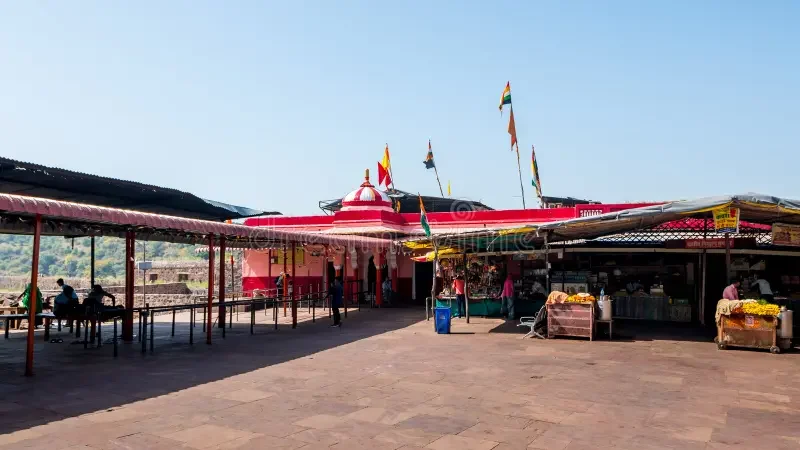
Trinetra Ganesh Temple Ranthambore Fort
The temple doesn’t exist as a standalone attraction — it’s built into Ranthambore Fort, and understanding that relationship saves people a lot of confusion at the ticket counter.
Ranthambore Fort is a working heritage monument with its own entry ticket, separate from both the temple and your national park safari permit. Since the temple sits in the upper reaches of the fort, you need the fort ticket to get anywhere near it. This is where most online guides get vague — they’ll say “temple entry is free,” which is true, but they leave out that you’re still paying to access the fort itself.
Once inside the fort complex, the temple is reached via a stepped pathway that runs alongside old defensive walls, climbing toward the upper section of the fort. Along the way and around the base, you’ll pass other fort landmarks worth combining into the same trip:
Padam Talao – a lake known for lotus blooms, and a good photo stop
Jogi Mahal – a historic structure near the lake, close to one of the largest banyan trees in India
Raj Bagh Ruins – old royal pavilions that photographers tend to linger at
Treat the temple as the highest point of your fort visit, and work your way down to these other spots afterward rather than trying to do it in reverse.
Trinetra Ganesh Temple Ranthambore Fort
Trinetra Ganesh Temple Address
Beyond directions, “address” is also the keyword people search when they want to send the temple something — and that’s arguably the most unusual tradition connected to this place.
Before weddings, new jobs, business launches, or any major life event, families across Rajasthan (and increasingly from further afield) send a letter or wedding invitation addressed directly to the temple. Not to a nearby relative who could deliver it in person — but to the deity himself. Priests say the temple receives thousands of such letters and cards every month, with a sharp spike during wedding season.
If you want to send one, the standard format used is:
Shri Trinetra Ganesh Ji, Ranthambore Fort, Sawai Madhopur, Rajasthan
You can post it through India Post ahead of time, or drop a card into the temple’s designated postbox in person during your visit. Some priests will also read out invitations aloud during aarti if you ask them to.
For getting there rather than writing to it, the physical location is Ranthambore Fort, roughly 12 km from Sawai Madhopur town, reached by road from the fort’s base parking area followed by the stepped climb.
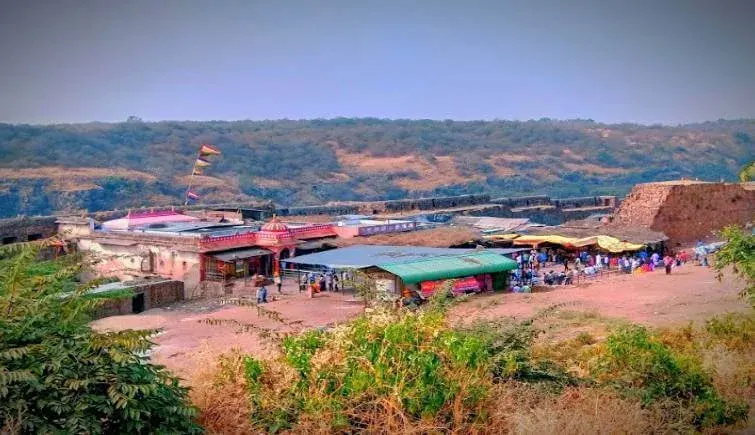
Trinetra Ganesh Temple Ranthambore Timings
Trinetra Ganesh Temple Ranthambore Timings
Here’s the part worth getting right before you leave your hotel.
The temple typically opens around 6 AM and stays open into the evening, generally until around 7–8 PM, with some flexibility around festival dates. Five aartis take place daily:
Early morning aarti (around dawn)
Sringar Aarti, around 9 AM
Bhog offering, around noon
Sandhya Aarti, around sunset
Shayan Aarti, around 8 PM (closing)
The evening aarti times shift slightly earlier in winter with the shorter daylight hours, so don’t lock in an exact clock time from any single source, including this one — confirm at the fort entrance or with your resort on the day, since this is one detail that genuinely moves with the season.
Entry to the temple is free. The fort itself charges a monument entry fee, with different rates for Indian and foreign visitors, plus possible vehicle charges if you’re driving up. Ticket prices do get revised periodically, so check current rates at the counter rather than relying on a number printed in an old blog post.
Before you leave your hotel, it helps to get the timings right. The temple usually opens around 6 AM and stays open into the evening, generally until about 7 to 8 PM, with some flexibility around festival dates.
Five aartis are held every day, and each one gives you a different feel of the temple:
The evening aarti shifts slightly earlier in winter because the days are shorter. So please don’t lock in an exact clock time from any single source, including this one. Confirm at the fort entrance or with your resort on the day, since this is one detail that genuinely changes with the season.
Entry to the temple itself is free. The fort, however, charges a monument entry fee, with different rates for Indian and foreign visitors, and there may be vehicle charges if you drive up. Ticket prices are revised from time to time, so check the current rates at the counter instead of trusting a number from an old blog post.
Trinetra Ganesh Temple Fort Reviews: What Visitors Actually Say
Strip away the marketing language most travel sites use, and a pretty consistent picture emerges from visitor feedback:
The climb gets mentioned more than the temple itself. Almost every review references the stone steps, and opinions split between “manageable” and “tougher than expected,” largely depending on the time of day people visited.
The letter-writing tradition is the most talked-about detail. Visitors who didn’t know about it beforehand consistently call it the most memorable part of the trip — more than the idol or the fort views.
Crowds during Ganesh Chaturthi are a recurring theme. Reviews from that period describe long queues and packed pathways, while reviews from quieter months (especially monsoon) describe an almost meditative experience.
Combining the visit with a safari gets praised when planned well and criticised when it isn’t. The common complaint isn’t the temple — it’s arriving without knowing the fort ticket is separate from the safari permit, which eats into people’s schedules.
If there’s one takeaway from visitor feedback, it’s this: plan the logistics (ticket, timing, climb) and the experience itself rarely disappoints.
| How to Reach: Comparison of Travel Options | ||||
|---|---|---|---|---|
| Mode | Nearest Point | Approx. Distance | Approx. Travel Time | Best For |
| Air | Jaipur (Sanganer Airport) | 170–180 km | 3–4 hours by road | Foreign tourists, time-limited trips |
| Train | Sawai Madhopur Railway Station | 10–14 km from fort | 30–40 minutes by road | Most domestic travellers, budget-conscious trips |
| Road (self-drive/taxi) | Direct from Jaipur/Delhi/Ajmer | Varies by origin city | 4–6 hours from Jaipur | Families, groups, flexible itineraries |
| Local transfer (hotel to fort) | Resorts along Ranthambore Road | 5–15 km | 15–30 minutes | Anyone already based in Sawai Madhopur |
Timing Your Visit Around a Safari
Ranthambore’s safaris run in two shifts each day — roughly 6–6:30 AM to 10 AM, and 2:30 PM to 6 PM, with exact windows shifting by season. The temple visit doesn’t need a safari permit at all, since it’s accessed through the fort ticket independently.
The sequencing that works best for most travellers: visit the temple in the late morning gap between the two safari shifts, once you’re back from the morning drive and before the afternoon heat sets in. If you’re not doing a morning safari that day, an early visit right after sunrise gives you the coolest climb and the smallest crowd.
Lorem ipsum dolor sit amet, consectetur adipiscing elit. Ut elit tellus, luctus nec ullamcorper mattis, pulvinar dapibus leo.
Frequently Asked Questions
What are the current Trinetra Ganesh Temple Ranthambore timings? The temple opens around 6 AM and closes around 7–8 PM, with five aartis through the day. Evening aarti times shift slightly by season, so confirm locally on the day of your visit.
Is there a fee required for entry to the temple? No, temple entry is free. You will need a paid Ranthambore Fort monument ticket to access the fort complex the temple is located in.
Where exactly is Trinetra Ganesh Temple located? Inside Ranthambore Fort, about 12 km from Sawai Madhopur, Rajasthan.
What is the Trinetra Ganesh Temple address for sending letters? Shri Trinetra Ganesh Ji, Ranthambore Fort, Sawai Madhopur, Rajasthan. Letters can be posted or dropped into the temple’s collection box in person.
Do I need a safari booking to visit the temple? No. The temple and fort are accessible independently through the fort entry ticket, with no safari permit required.
How difficult is the climb to the temple? It’s a steady uphill walk of a few hundred stone steps, taking roughly 20–30 minutes at a comfortable pace. No technical climbing skill is needed, but there’s limited shade, so cooler hours make a real difference.
Is photography allowed inside the temple? General photography around the temple grounds is usually fine. Photographing the sanctum directly, especially with flash, is often restricted — check with temple staff before shooting.
When is the best time to visit for a quiet experience? Weekday mornings outside of festival dates, or the monsoon season (July–September), when crowds thin out considerably.
Is Trinetra Ganesh Temple worth visiting if I’m only there for wildlife safaris? Most visitors who add it say it’s worth the half-day detour, particularly because it requires no separate booking and fits naturally into the gap between safari shifts.
Trinetra Ganesh Temple isn’t a large monument, and it won’t take up a full day of your Ranthambore itinerary. But it’s the kind of stop that tends to outlast the memory of almost everything else on the trip — the climb through the old fort walls, the three-eyed idol with his whole family beside him, and that quietly remarkable postbox stacked with letters written to a god. Get the practical part right — the separate fort ticket, the cooler hours, the aarti timing — and the rest of the experience takes care of itself.
Plan Your Visit
If you’re building out your Ranthambore itinerary, slot the temple into the late-morning gap between your safari shifts, confirm the current fort ticket price and aarti schedule locally, and carry water for the climb. Check current safari availability and stay options near Ranthambore Fort before you finalize your dates, so the temple visit fits naturally into your trip instead of being squeezed in as an afterthought.