Ranthambore National Park Safari
- Home
- Ranthambore National Park Safari
Ranthambore National Park Safari
Ranthambore National Park Safari: A Comprehensive Guide to Zones, Tickets, Timings, and Booking
A Ranthambore National Park safari means booking a jeep or canter ride through one of ten forest zones near Sawai Madhopur, Rajasthan, to spot wild Bengal tigers, leopards, and over 300 bird species. Book Ranthambore National Park tickets online up to 90 days ahead, expect to pay more during peak season (April–June), and plan for roughly 50–65% tiger-sighting odds per safari in summer versus 35–45% in winter. The park is closed July through September.
What Is Ranthambore National Park?
Ranthambore National Park sits in the Sawai Madhopur district of Rajasthan, roughly 180 km from Jaipur and 400 km from Delhi. It’s part of the larger Ranthambore Tiger Reserve, which also includes the Keladevi and Sawai Mansingh sanctuaries — but when travelers talk about booking a safari, they mean the core national park, home to all ten safari zones.
What sets this park apart from India’s other tiger reserves is a detail that’s easy to miss until you’re standing in it: a thousand-year-old hilltop fort sits inside the park boundary. One moment, you may observe a tiger traversing a parched lakebed, and the next, you could be gazing at the towering spires of a temple. Corbett, Bandhavgarh, and Kanha don’t offer that combination — Ranthambore is wildlife and history occupying the same square kilometer.
The terrain also works in your favor as a visitor. The dry deciduous forest, along with open valleys and rocky ridges, leads to a less dense canopy than that found in southern regions, enhancing Ranthambore’s status as one of India’s most dependable parks for tiger observation.
Key Takeaways
The park operates October 1 to June 30, closed during monsoon (July–September)
Ten safari zones exist; each has a different terrain profile, not just a “good vs bad” ranking
Jeep safaris (6 seats) offer better sighting odds than canter safaris (20 seats) because they’re quieter and easier to reposition
Book Ranthambore National Park tickets online through the official portal up to 90 days in advance — earlier during peak season
Safari cost includes an entry fee, camera fee, vehicle charge, and guide fee — foreign tourists pay a higher entry rate than Indian nationals
No tiger sighting is ever guaranteed — book two or three safaris across different zones if a sighting genuinely matters to you
As of December 2025, a Supreme Court ruling prohibits the use of smartphones within safari vehicles — please bring a proper camera.
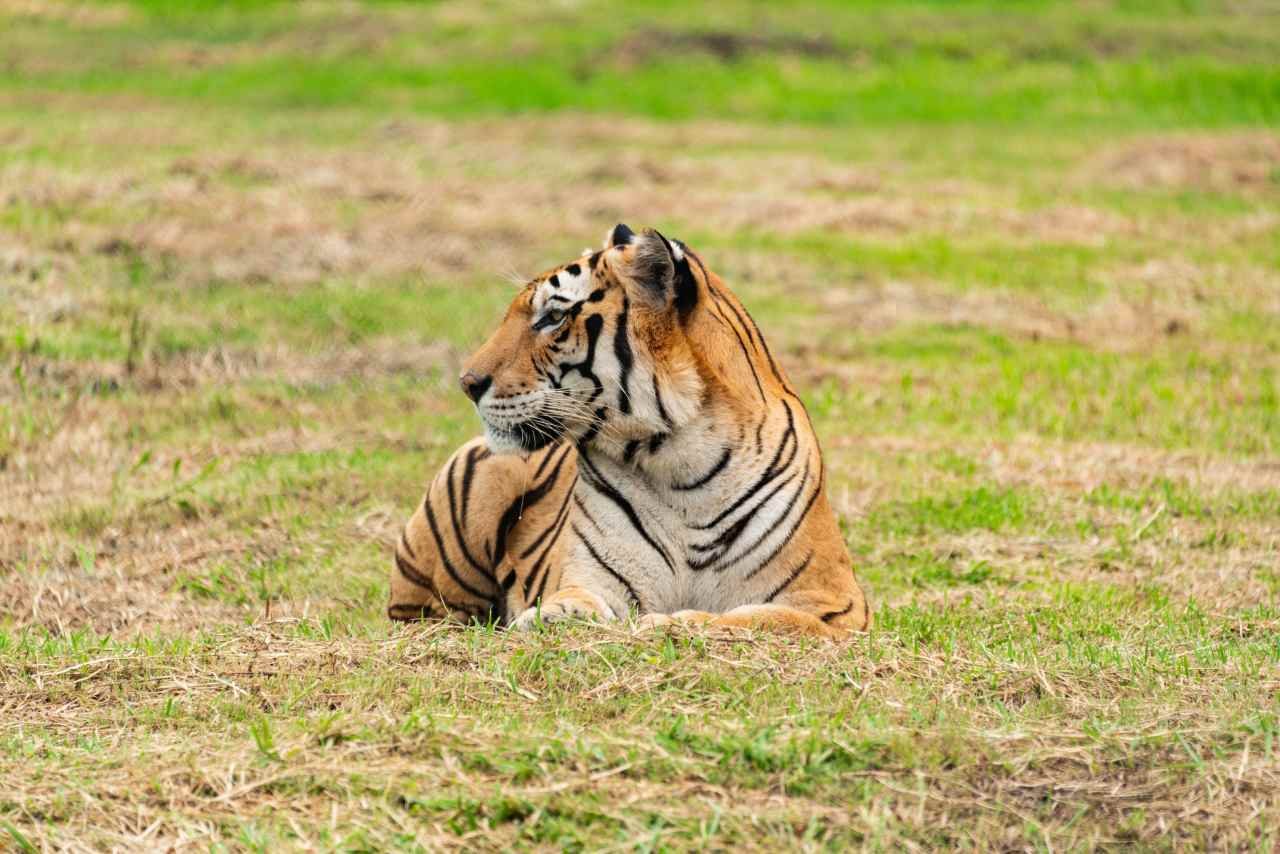
RANTHAMBORE NATIONAL PARK SAFARI BOOKING
Is a Ranthambore Safari Actually Worth It?
Let’s deal with the question everyone’s actually asking before they book: will I see a tiger?
Honestly — maybe. Naturalists and repeat visitors generally estimate single-safari sighting odds around 50–65% during peak season (April–June) and 35–45% during the cooler months (November–February). Those numbers shift year to year depending on where individual tigers are denning and raising cubs, so treat them as a working estimate, not a promise.
Here’s a comparison that surprises a lot of first-timers: jeep safaris consistently outperform canter safaris on sightings. It’s not about luck. A jeep carries six people and can reposition the moment a spotter radios in an alarm call from langurs or deer. A canter carries twenty, takes longer to go quiet, and moves slower on the same alert. If a sighting matters more to you than saving money, that difference is worth paying for.
And if you don’t see a tiger? It happens — more often than the glossy brochure photos suggest. The practical fix: book two or three safaris in different zones instead of putting everything on one outing. Even a “miss” safari usually delivers sloth bears, leopards (increasingly spotted in the buffer zones), marsh crocodiles, and genuinely excellent birdwatching. Nobody leaves Ranthambore having seen nothing at all.
| Ranthambore National Park Safari Timings | ||
|---|---|---|
| Safari timings change with the season because they're tied to sunrise and sunset, not a fixed clock: | ||
| Season | Morning Safari | Evening Safari |
| October to February | 7:00 AM – 10:30 AM | 2:00 PM – 5:30 PM |
| March to June | 6:00 AM – 9:30 AM | 3:00 PM – 6:30 PM |
A quick tip that trips people up: your booking confirmation will list an exact gate time, and forest guards are strict about it. Arrive at least 20–30 minutes early — vehicles that show up late don’t get held for you, and you’ll forfeit the slot.
Ranthambore National Park Safari Booking
Getting your Ranthambore national park safari booking sorted early on genuinely shapes how smooth the rest of your trip turns out to be, since the park operates on a permit system with a fixed number of vehicles allowed per zone each session. Booking through the official forest department website lets you choose your preferred zone, vehicle type, and time slot without the stress of hoping for a walk-in seat.
This becomes particularly important during peak season, roughly October through June, when demand for safari permits far outweighs the limited daily availability. Securing your booking well in advance not only guarantees your spot but also gives you the freedom to plan the rest of your Rajasthan itinerary around confirmed safari timings.
Ranthambore National Park Safari Price
The Ranthambore national park safari price varies mainly based on the type of vehicle you choose, a private gypsy costing more per person than a shared canter, along with differences depending on whether you’re an Indian national or a foreign traveler. Entry fees, guide charges, and vehicle costs are all bundled into this price, and while the rates are largely standardized, small variations do occur depending on zone and season.
It’s always worth checking the current price list on the official portal before finalizing your booking, since third-party agents sometimes add unnecessary markups on top of the government-set rate. Knowing the accurate price ahead of time helps you plan your overall trip budget without any surprises once you arrive at the park.
Ranthambore National Park Safari Booking Price
Understanding the full Ranthambore national park safari booking price structure means looking beyond just the base safari cost to also factor in any online booking or convenience fees that might apply depending on how far in advance you’re booking. Regular advance bookings tend to be the most economical option, while last-minute tatkal bookings usually carry a slightly higher price due to the added convenience of quick confirmation.
Comparing these pricing tiers before deciding how you want to book helps you choose the option that best fits both your travel timeline and your budget. Whether you’re booking weeks ahead or just days before your trip, having clarity on the total price upfront makes the entire planning process far less stressful.
Best Time to Visit
The broad window is October to June, but the month you choose changes the entire experience:
October to February — comfortable and scenic Cool mornings, pleasant afternoons, and lakes full of migratory birds. Sighting odds are decent, just not peak. This is the natural choice for families with young kids, older travelers, or anyone who’d rather not safari in 40°C heat.
March to June — hot, dry, and best for sightings As water sources shrink, tigers spend more time near the remaining lakes, which makes them far easier to spot. Photographers and dedicated wildlife travelers often choose this window specifically for the odds, even though afternoon temperatures can climb past 40°C.
July to September — closed The park shuts for monsoon. Muddy tracks make safaris unsafe for both vehicles and wildlife. If any website is showing you July dates, that information is outdated.
One underused tip: late February into early March is a genuine sweet spot for honeymooners and luxury travelers — good weather, decent odds, and the winter crowds have already thinned out before summer heat sets in.
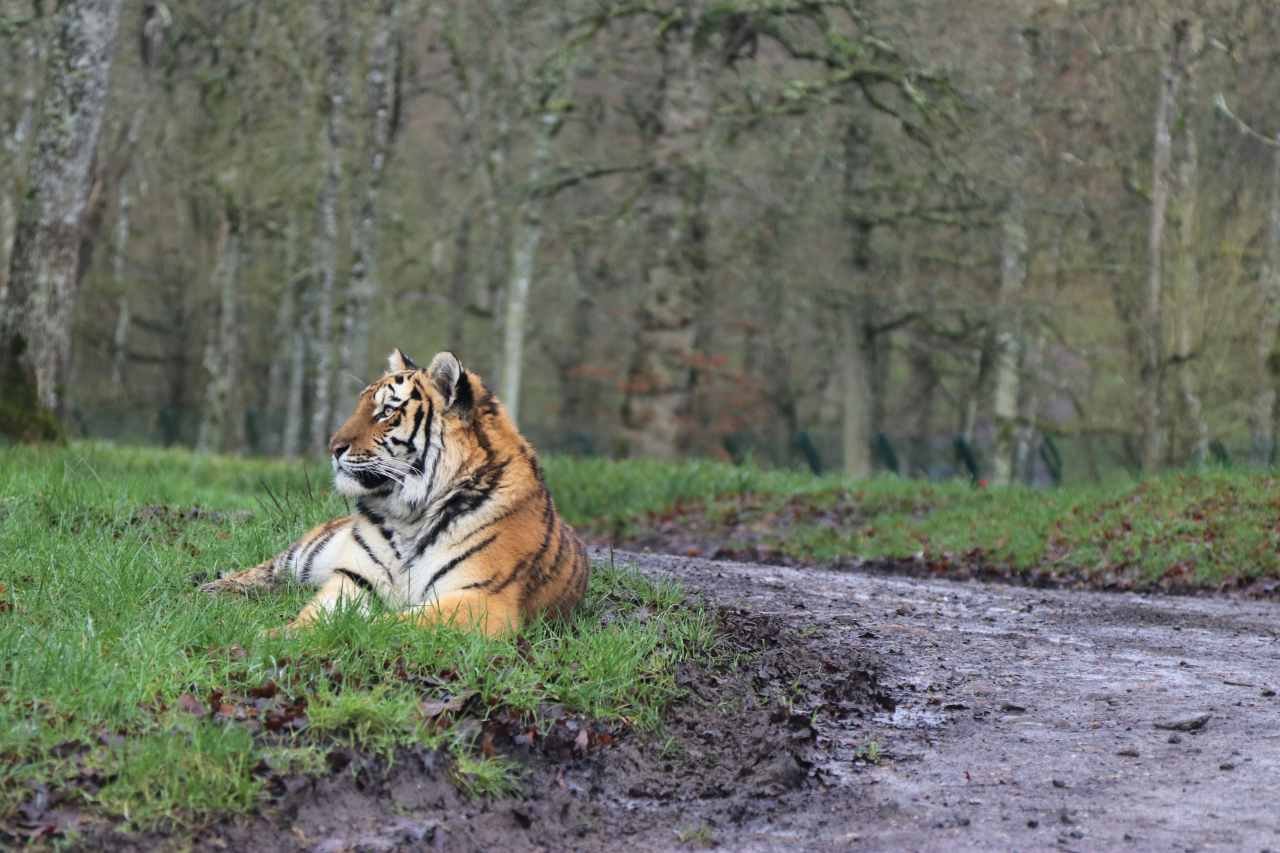
RANTHAMBORE NATIONAL PARK SAFARI TIMINGS
Ranthambore National Park Safari Cost
When it comes to the overall Ranthambore national park safari cost, most travelers are surprised to learn just how many components go into that single number, park entry, vehicle hire, guide fee, and sometimes camera charges if you’re carrying professional photography equipment. Costs also shift a little depending on the season, with peak winter months generally seeing marginally higher rates compared to the quieter monsoon period.
Budgeting properly for your safari means checking the latest official cost breakdown rather than relying on outdated information from old blog posts or forums. Once you have a clear picture of the total cost, it becomes much easier to plan the rest of your trip, from accommodation near the park to any additional safari rounds you might want to add.
Ranthambore National Park Photos
Browsing through Ranthambore national park photos before your trip is honestly one of the best ways to build excitement and get a real feel for what awaits you, from the dense forest trails and ancient ruins scattered across the park to the incredible variety of wildlife beyond just tigers, including leopards, sloth bears, and hundreds of bird species. These images often capture the raw, untamed beauty of the landscape in a way that words simply can’t.
Looking at recent photos shared by other travellers or official park sources can also give you a realistic sense of current wildlife activity and seasonal scenery, whether it’s the lush greenery post-monsoon or the drier, more open visibility during peak winter safaris. It’s a small step, but it genuinely helps set the right expectations and adds to the anticipation of your upcoming visit.
Ranthambore National Park Ticket Price
Finally, keeping track of the current Ranthambore national park ticket price is essential for accurate trip budgeting, since rates can be revised periodically by the forest department and often differ based on nationality, vehicle type, and zone. What might have been the price a year ago isn’t always accurate today, so checking the official source close to your travel date is always the safer bet.
Beyond just the base ticket price, it’s worth also accounting for any additional charges like camera fees or guide tips that aren’t always included in the advertised rate. Having a clear, updated picture of the full ticket price ensures your Ranthambore trip stays within budget while still delivering the unforgettable wildlife experience the park is famous for.
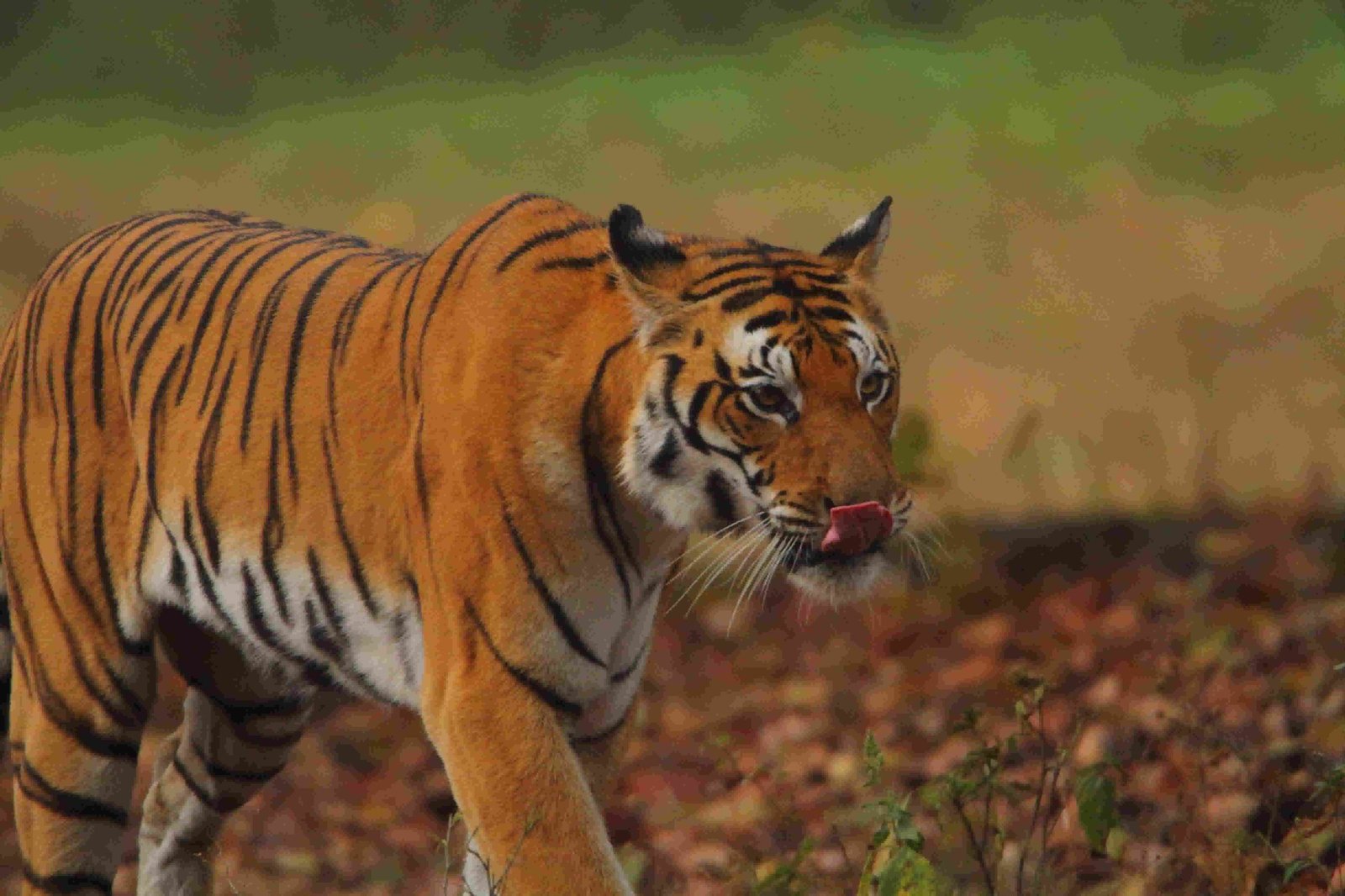
RANTHAMBORE NATIONAL PARK SAFARI PRICE
How to Reserve Your Ranthambore National Park Safari
Here’s the process broken into steps, since this is where most first-timers — especially foreign tourists — get stuck.
To secure your booking, please utilize the official forest department portal, preferably 90 days prior to your intended travel date. Be aware that slots during weekends and the peak season (March–May) tend to fill up quickly.
Choose your safari type, date, and time slot (morning or evening). Every visitor needs valid photo ID — Aadhaar, PAN, voter ID, or a passport for foreign tourists — because it’s cross-checked at the gate.
Pay the applicable fees (entry, camera, vehicle, and guide charges — full breakdown below).
Save your confirmation and carry the original ID listed on the booking. A photocopy won’t be accepted at the gate.
Booking through an agent vs. direct: most travel agencies and hotel concierges will handle your Ranthambore National Park safari booking for a service fee on top of the government rate. That’s not automatically a bad deal — for foreign tourists especially, an agent can navigate a government portal with limited English support and coordinate zone timing with your hotel stay. If you’re comfortable doing it yourself, you’ll save the markup — just budget extra patience, since the portal tends to slow down during high-demand release windows.
Tatkal (last-minute) booking costs meaningfully more and is only worth it if your travel dates are fixed and regular slots have already sold out.
Cancellations: confirmed government bookings are generally non-refundable. Don’t book a placeholder date hoping to change it later.
| Jeep vs Canter vs Full-Day Safari | |||
|---|---|---|---|
| Feature | Jeep (Gypsy) | Canter | Full-Day Jeep |
| Capacity | 6 seats including guide | 20 seats including guide | 6 seats including guide |
| Duration | ~3.5 hours | ~3.5 hours | Full day with an in-park lunch break |
| Sighting odds | Higher | Lower | Highest |
| Best for | Couples, small families, photographers | Solo travelers, students, large groups | Serious photographers and wildlife enthusiasts |
| Relative cost | Higher per person | Lower per person | Premium pricing |
This is a title
If photography is your priority, the jeep is worth the extra cost — you can ask your driver to reposition, and you won’t lose a shot to someone’s shoulder blocking your window.
If you’re traveling in a large budget-conscious group, the canter is a fair trade-off. You’ll still see the terrain, the birdlife, and quite possibly a tiger — just manage expectations around noise and crowd movement.
One add-on worth considering on a non-safari day: the Chambal River boat safari, about an hour away, focused on crocodiles, gharials, and river birds. It’s a calmer pace and a nice contrast to a dusty jeep ride.
Ranthambore National Park Tickets
Heading to one of India’s most iconic tiger reserves? Ranthambore national park tickets First things first, get your head around how entry actually works here. It’s not a simple walk-up-and-pay situation, your ticket bundles together the park fee, the vehicle you’re riding in, and the guide who’ll be pointing out pugmarks along the way. And since each ticket ties you to a specific zone and a fixed time window, you won’t be wandering freely from one part of the forest to another; you’re locked into whichever session you’ve signed up for.
Sorting this out online before you travel just makes life easier. Turning up at the gate and hoping for a spare seat is a gamble that rarely pays off, particularly once winter rolls around and half of India seems to have the same holiday plans. Get the ticket squared away early, and you can spend your energy looking forward to the trip instead of scrambling for entry once you’re already standing at the park.
Ranthambore National Park Ticket Price and Safari Cost Breakdown
Fees change periodically, so treat the categories below as a planning framework rather than fixed numbers — always confirm current rates on the official portal before you book.
Entry fee (part of your overall Ranthambore National Park ticket price): lower for Indian nationals, noticeably higher for foreign tourists. This is a standard practice observed in Indian national parks and is not specific to Ranthambore.
Camera fee: a modest additional charge if you’re carrying a professional camera setup.
Vehicle cost: split among jeep occupants (up to 6) or canter occupants (up to 20) — this is usually the biggest line item in your total safari cost.
Guide/naturalist fee: often a fixed charge, sometimes bundled into the vehicle cost depending on the operator.
Agent service fee (if applicable): the markup a travel agency or hotel adds on top of the government rate for handling the Ranthambore National Park safari booking on your behalf.
A practical tip: if you’re booking for a family or small group, splitting a jeep between 5–6 people brings the per-person cost down close to what you’d pay for a canter seat — while still getting jeep-level sighting odds. That’s usually the better trade.
What the Safari Actually Feels Like
This is the part most guides skip.
Morning safaris start early — you’re up around 5:30 AM, and in winter, it’s genuinely cold in an open-top jeep moving fast on a dirt track. Bring gloves, not just a light jacket. Two hours later, you’re peeling that same jacket off as the sun climbs.
The ride itself is rough. Rutted, unpaved tracks mean three-plus hours of real jostling, not a scenic cruise. Your guide and driver work as a pair — the driver handles the vehicle, the guide reads pug marks and listens for alarm calls from deer and langurs, staying in radio contact with other vehicles in the zone. When an alert comes through, everything changes fast: the radio crackles, the vehicle turns, and the whole jeep goes quiet.
Sometimes it pays off — a tiger walking straight down the track, close enough to hear it breathe. Sometimes you catch a flash of stripes vanishing into tall grass fifty meters off, or nothing at all, and the return drive is noticeably quieter. Both outcomes are part of the real experience, and even a no-tiger safari usually delivers a solid list of other sightings: spotted deer, langurs, a crocodile sunning at the lake edge, maybe a sloth bear if you’re lucky.
Important update: as of a Supreme Court ruling effective December 2025, smartphones are no longer permitted inside safari vehicles at Indian national parks. If photography matters to you, bring an actual camera — your phone won’t be a backup option.
Basic safari etiquette: stay seated, stay quiet once an alert comes through, never ask your driver to get closer than your guide is comfortable with, and don’t litter. None of this is red tape for its own sake — a loud vehicle genuinely lowers everyone’s odds, yours included.
What to Pack
Layers — a warm jacket for early departures (essential October–February), removable as the day heats up
Neutral-colored clothing — bright colors and white stand out and can spook wildlife
Binoculars — even a basic pair transforms the birdwatching experience
A real camera with a long lens — 300mm or longer for usable tiger shots from vehicle distance; remember, phones aren’t allowed in-vehicle anymore
Sunscreen and a hat — summer afternoon sun is intense
A reusable water bottle — there’s no stopping mid-safari to buy one
A scarf or buff for dust protection — tracks kick up serious dust, especially in the dry months
One honest note before you book: the ride is bumpy and the vehicle is open-air, which makes it genuinely uncomfortable for very young children or anyone with back or mobility issues. A jeep on a standard (not full-day) slot is the more manageable choice for families with elderly parents or toddlers.
Beyond the Safari
If you’re staying more than a day, don’t let the safari be the whole trip.
Ranthambore Fort deserves half a day on its own — a UNESCO World Heritage Site with palace ruins, step-wells, and sweeping valley views, roughly a thousand years old.
Trinetra Ganesh Temple, inside the fort complex, is one of the few temples where Lord Ganesha is shown with his entire family. Aarti happens multiple times daily if you want to time your visit around it.
Padam Talao and the nearby Raj Bagh Ruins are worth seeing even outside a safari — a lake framed by old palace structures, often dotted with water lilies, and one of the most photographed corners of the park.
Kachida Valley, on the park’s edge, is quieter and known for leopard and sloth bear sightings — though it needs its own separate jeep excursion outside the standard core-zone safari.
Where to Stay
Budget / student groups: straightforward hotels in Sawai Madhopur town, close to the safari gates, no frills needed if wildlife is your priority.
Family-friendly: mid-range resorts with pools and multi-cuisine dining, giving you space to unwind between safaris.
Honeymoon / luxury: Ranthambore has genuinely world-class properties blending Rajasthani architecture with high-end service — the stay becomes part of the experience, not just a base.
Heritage stays: converted havelis and palace properties for anyone who wants the historic atmosphere to extend past the fort visit.
Book close to Sawai Madhopur town regardless of tier — zones spread around the park’s perimeter, and a resort on the wrong side means a longer pre-dawn transfer than you’d want.
How to Reach Ranthambore
By air: Jaipur (JAI) is the nearest airport, about 180 km away — roughly 3–4 hours by road.
By train: Sawai Madhopur Railway Station offers direct connections from Delhi, Mumbai, and various other major cities — this is the most frequently used method of arrival.
By road: about 400 km from Delhi, 180 km from Jaipur, and 290 km from Agra. Delhi in one stretch is a long day; splitting it with a Jaipur stopover is a smarter itinerary.
FAQs
What is the best time for a Ranthambore National Park safari? October to June is when the park operates, but March to June offers the highest tiger-sighting odds, while October to February is more comfortable weather-wise.
How much does a Ranthambore National Park safari cost? Total cost combines an entry fee (higher for foreign tourists), a camera fee if applicable, a vehicle charge split among passengers, and a guide fee. Jeep safaris cost more per person than canter safaris but offer better sighting odds.
How do I book Ranthambore National Park tickets? Book through the official forest department portal up to 90 days in advance, choosing your safari type, date, and time slot, and paying applicable fees with valid photo ID for every visitor.
What are the Ranthambore National Park safari timings? Morning safaris run roughly 6:00–10:30 AM depending on the season, and evening safaris run 2:00–6:30 PM, shifting with sunrise and sunset times.
Is a tiger sighting guaranteed? No. Sighting odds run around 50–65% in peak season and 35–45% in winter, per safari. Booking multiple safaris across different zones improves your overall chances.
Can I use my phone during the safari? No. Since December 2025, a Supreme Court ruling bans smartphones inside safari vehicles at Indian national parks. Bring a dedicated camera instead.
How many days should I spend in Ranthambore? Two to three days lets you book four to six safaris across different zones, meaningfully improving your odds, plus time for the fort and other sights.
A Ranthambore National Park safari rewards people who plan a little rather than book on autopilot. Picking the right season for your priorities, understanding what each zone actually offers, choosing jeep over canter when sightings matter, and knowing the real cost breakdown before you book all add up to a trip that matches what you actually wanted — whether that’s a once-in-a-lifetime tiger encounter, a family-friendly wildlife weekend, or a honeymoon with a historic fort in the background.
No safari can promise you a tiger. But with the right zone, the right season, and a realistic plan for more than one outing, Ranthambore gives you about as good a shot as anywhere in India — plus a thousand-year-old fort thrown in.
Ready to book your Ranthambore National Park safari? Check live zone availability, compare jeep and canter options, and lock in your dates before peak season sells out — spots for March through May tend to go first.