
Satpura Tiger Reserve
- Home
- Satpura Tiger Reserve
Satpura Tiger Reserve
Welcome to Satpura Tiger Reserve: The Complete Guide to Safaris, Booking & the Best Time to Visit
If you’ve searched “Satpura Tiger Reserve” and landed on five different pages with the same area figures and the same species list, you’re not alone — and you probably still don’t know what actually matters: which zone to book, how much a safari costs, and whether this reserve is even the right fit for your trip.
Here’s the short version. Satpura Tiger Reserve, tucked into the Narmadapuram district of Madhya Pradesh, is the only major central Indian reserve where you can leave the jeep behind. Walking safaris, boat rides on the Denwa backwaters, canoeing — none of that exists at Kanha, Bandhavgarh, or Pench. That single fact changes everything about how you should plan this trip, and it’s what this guide is built around.
By the end, you’ll know exactly which zone to book, what a safari actually costs, how to reach the park from Bhopal, and whether Satpura suits your travel style better than the more famous reserves.
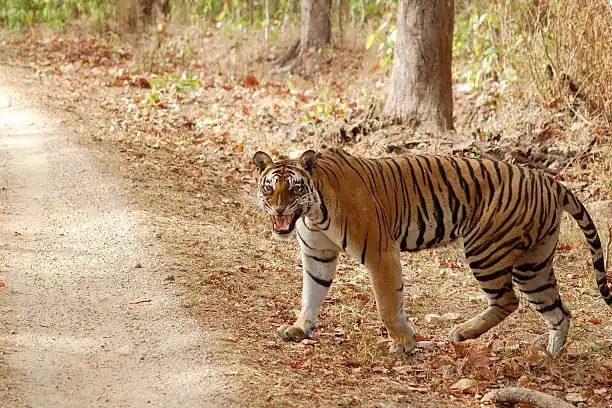
Satpura Tiger Reserve Safari
What Is Satpura Tiger Reserve, Exactly?
Satpura Tiger Reserve spans 2,133 km², combining Satpura National Park, Bori Wildlife Sanctuary, and Pachmarhi Wildlife Sanctuary into one connected forest system. It was declared a tiger reserve in 2000, though Satpura National Park itself has existed since 1981.
Here’s the thing most articles skip: Satpura isn’t chasing the same reputation as Bandhavgarh or Kanha, and it doesn’t need to. Its tiger density is lower — the last confirmed census, in 2018, put the number at around 47 tigers, with India’s sixth national tiger census underway in 2026 and updated figures still pending. But density was never Satpura’s selling point. Variety is.
You can do a jeep safari here, sure. You can also walk through the forest with an armed guard, glide across the water on a boat safari, or paddle a canoe past a basking marsh crocodile. No other central Indian tiger reserve offers that combination, and that’s the entity worth understanding before you book anything.
Quick Facts About Satpura National Park
Location: Narmadapuram district, Madhya Pradesh
Total area: 2,133 km² (core ~1,339 km², buffer ~794 km²)
Established as tiger reserve: 2000
Nearest railway station: Pipariya
Nearest airport: Bhopal (~160 km)
Best time to visit: October to June (closed mid-June to September for monsoon)
Unique feature: Only MP reserve permitting walking, boat, and canoe safaris
| Factor | Satpura Tiger Reserve | Bandhavgarh | Kanha | Pench |
|---|---|---|---|---|
| Tiger sightings | Lower, tigers are shy | Frequent, near-guaranteed | High | Moderate |
| Crowds | Low | Heavy, especially weekends | High | Moderate |
| Safari options | Jeep, walking, boat, canoe | Jeep only | Jeep only | Jeep only |
| Best suited for | Photographers, birders, couples, adventure seekers | First-timers wanting a sighting | Families, classic safari | Quick trips from Nagpur |
Here’s a practical way to think about it: if you’ve got two days and a tiger sighting is the entire goal, Bandhavgarh will likely deliver faster. But if you want a forest experience that isn’t shared with a dozen other jeeps — and you’re okay with the idea that a quiet boat ride at dawn can be just as memorable as spotting a tiger — Satpura is the smarter pick.
Satpura Tiger Reserve Safari: Zones, Options & Which One to Book
This is where most guides get vague. So let’s get specific about the Satpura Tiger Reserve safari experience, zone by zone.
Satpura Tiger Reserve Madhai Zone
Madhai is the main entry gate and the busiest of the three zones — though “busiest” here still means far fewer vehicles than you’d find at Bandhavgarh. Around 30 vehicles are allowed into the core area per day, split between morning and afternoon drives.
Madhai is also the only zone offering the full range of activities: jeep safari, walking safari, boat safari, and elephant-based experiences. If this is your first Satpura trip, book Madhai. It gives you the clearest sense of what makes this reserve different.
Churna Zone
Churna permits self-drive safaris in your own four-wheel-drive vehicle — a rare allowance in Indian tiger reserves. The terrain is rougher, the pace is more flexible, and photographers tend to prefer it for exactly that reason. You have the ability to manage your stops rather than adhering to a predetermined jeep route.
Reesha, Jamanidev & Parsapani Buffer Zones
These quieter buffer zones near Madhai cap visitor numbers at roughly 14 vehicles per session. They’re a good option if you want a lower-cost safari without sacrificing much in terms of forest quality — a smart choice for families or budget-conscious travellers doing a shorter trip.
Zone selection at a glance:
First visit or travelling with family → Madhai
Serious photography or self-drive preference → Churna
Tighter budget or smaller group → Reesha, Jamanidev, or Parsapani
Satpura Tiger Reserve Booking: Safari Charges & How to Book Online
Here’s the practical part everyone’s actually searching for.
Satpura Tiger Reserve Safari Charges
Costs vary by zone, vehicle type, and whether you’re booking a shared or private safari, and rates shift seasonally — so treat any number you see as a ballpark rather than gospel:
Jeep safari: The most affordable route, typically priced per vehicle rather than per person, so splitting a group works in your favor.
Walking safari: Usually a smaller group rate plus a naturalist fee.
Boat safari and canoeing: Priced separately from jeep safaris, and worth booking early during winter months since capacity is limited.
Always confirm current Satpura National Park safari price details on the official booking portal before you travel — old figures circulate online long after they’ve changed.
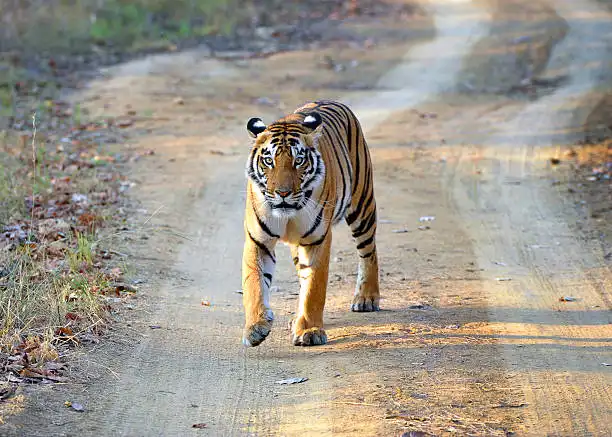
Satpura Tiger Reserve Booking
The Real Reason to Choose a Satpura Tiger Reserve Safari: Walking, Boat & Canoe Experiences
A safari in the Satpura Tiger Reserve extends beyond merely riding in a jeep, and this is important to emphasize as it is truly uncommon.
Walking safaris put you on foot alongside an armed guard and a trained naturalist. You move slower, but you notice more — a pug mark half-covered by leaves, the specific alarm call of a langur that means something’s nearby. It’s not strenuous, but it does involve an hour or two on uneven ground, so it suits reasonably mobile travelers rather than anyone with mobility restrictions. Don’t expect a guaranteed tiger encounter here; the value is in the forest itself, not just the sighting.
Boat safaris run along the Denwa backwaters and are, frankly, the best thing Satpura offers birdwatchers. Kingfishers, herons, egrets, and marsh crocodiles sunning themselves on the banks are all common sights. It’s also just a peaceful way to see the landscape — the water against the Satpura hills has a completely different feel than a dusty forest track.
Canoeing is the most active of the three, offered in select zones for shorter stretches, and it’s a natural fit for younger travelers and adventure seekers who want to do something rather than just watch.
If you’re planning a honeymoon or couple’s trip, skip the crowded jeep circuit entirely and build your itinerary around a boat safari at sunrise and a walking safari in the afternoon. It’s a genuinely different pace of travel than what most Indian wildlife trips offer.
Best Time to Visit Satpura National Park
The park closes completely from mid-June through September for monsoon, so your planning window is narrower than at reserves open year-round.
Winter (November–February): Cool, clear, and comfortable — mornings can dip to 4°C near Pachmarhi. Best for families, couples, and birdwatchers, since winter brings migratory bird species.
Summer (March–June): Hot, with daytime highs in the high 30s to low 40s°C by May. But wildlife concentrates around shrinking waterholes, which usually improves your sighting odds. Good for serious photographers who can handle the heat.
Monsoon (July–October): Don’t plan around this window.
If you only remember one thing: October right after reopening, or February into early March, gives you a solid balance of comfort and wildlife activity without the summer heat or the winter cold snap.
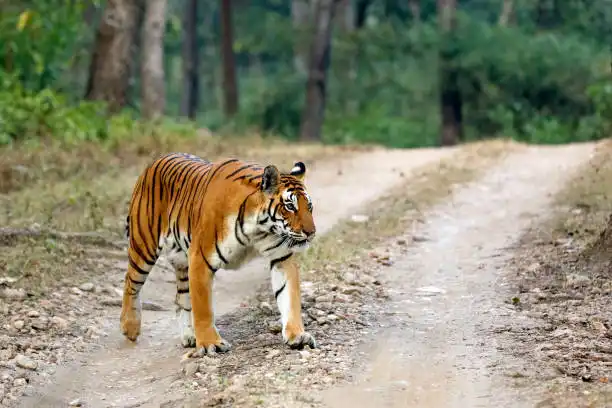
How to Book Satpura National Park
How to Book Satpura National Park Safaris
Online safari booking for Satpura National Park runs through the Madhya Pradesh forest department’s official portal (forest.mponline.gov.in), which also handles reservations for the state’s other tiger reserves. Jeep safari booking for Satpura National Park’s Madhai zone tends to fill up first, especially on winter weekends, so book at least two to three weeks ahead during peak season. Outside of December through February, last-minute availability is much more realistic.
Booking checklist:
Decide your zone (Madhai for first-timers, Churna for self-drive, buffer zones for budget trips)
Book through the official MP forest portal — avoid third-party markups where possible
Confirm your safari type (jeep, walking, or boat) since not every zone offers all three
Book accommodation separately, ideally before locking in your safari slot, since Madhai-area resorts sell out fast in winter
Flora and Fauna of Satpura National Park
Satpura’s biodiversity is dense enough that it’s easy to get lost in a species list, so here’s what actually matters depending on why you’re visiting.
General wildlife: Indian gaur (among the largest wild cattle on the planet), sambar and spotted deer, nilgai, wild boar, and — with some luck — sloth bear or dhole. Barasingha were reintroduced here in 2015 from Kanha Tiger Reserve, starting with 98 animals, and the population has grown steadily since. It’s one of the reserve’s quiet conservation success stories.
Plant life: Over 1,300 recorded plant species, including sal forests on the Pachmarhi plateau and teak forests on the lower plains — a combination that’s rare to find side by side in one reserve.
The Ancient Side: Satpura Tiger Reserve Pachmarhi
Here’s an angle almost nobody covers properly: the Satpura Tiger Reserve Pachmarhi region holds more than 50 rock shelters with paintings estimated between 1,500 and 10,000 years old. The Pandav Caves and sites near the Jatashankar Temple are the most accessible.
If you’re traveling with a student group, or you simply enjoy history alongside wildlife, build in half a day around Pachmarhi. You’re not just looking for tigers here — you’re walking through one of central India’s oldest continuously significant landscapes.
There’s also a strange bit of science tied to this region. Researchers have found plant species in Satpura that also occur in the Himalayas and, separately, in the Western Ghats — but nowhere in between. It’s called the “Satpura Hypothesis,” and the idea is that this landscape once acted as a natural corridor connecting the two regions long before the terrain fragmented. It’s a small detail, but it’s the kind of thing that makes a species checklist feel like an actual story.
Where to Stay: Satpura Tiger Reserve Resorts
Most Satpura Tiger Reserve resorts cluster around the Madhai buffer zone, and your choice here comes down to a simple trade-off.
Staying near Madhai costs more but puts you minutes from the safari gate, and many properties run their own naturalist-led activities. This suits luxury travellers and couples who want the fully immersive version of the trip.
Staying in Pipariya town is considerably cheaper, with a wider range of budget stays, and it’s still a manageable drive to the safari entrance. This works well for student groups, families watching their budget, and anyone prioritizing value over proximity.
Neither option is objectively better — it depends on whether the extra cost of staying inside the buffer zone buys you enough convenience to justify it for your specific trip.
Birding in Satpura National Park
If birdwatching is your priority, Satpura deserves more attention than it usually gets. The bird list runs past 250 species, including the Malabar pied hornbill, crested serpent eagle, and the paradise flycatcher, which happens to be Madhya Pradesh’s state bird. Pair a winter visit with the Denwa boat safari, and you’ll likely see more bird activity in one morning than an entire jeep safari elsewhere.
How to Reach Satpura National Park
By rail: Pipariya is the nearest station, well connected on major routes.
By air: Bhopal is the nearest airport.
By road: Bhopal (160 km), Itarsi (80 km), Jabalpur (260 km), Indore (300 km).
Bhopal to Satpura National Park
The Bhopal to Satpura National Park drive takes roughly 3.5 to 4 hours by road, making Bhopal the most practical base for international and out-of-state visitors. If you’re flying in from Delhi or Mumbai, connect through Bhopal and arrange a private transfer in advance — public transport options directly to the reserve gates are limited, so this is one leg worth locking down before you land rather than figuring out on arrival.
Who Should Visit Satpura Tiger Reserve
Wildlife lovers and photographers: Yes — the safari variety alone justifies the trip.
Birdwatchers: Strongly yes, especially with a winter boat safari.
Families: Yes, particularly via Madhai zone in the cooler months.
Couples and honeymoon travellers: Yes — walking and boat safaris offer a quieter, more personal pace.
Luxury travellers: Yes, with buffer-zone accommodation, though the luxury lodge scene here is smaller than Bandhavgarh’s.
Adventure seekers: Yes — this is the standout choice among MP reserves for exactly that reason.
History enthusiasts and student groups: Yes, especially if you pair safaris with a Pachmarhi rock art visit.
Anyone wanting a guaranteed tiger sighting above all else: Consider Bandhavgarh instead, or plan a longer Satpura stay to improve your odds.
FAQs About Satpura Tiger Reserve
How many tigers are in Satpura Tiger Reserve? The last confirmed census, from 2018, estimated around 47 tigers. India’s sixth national tiger census is underway with results expected during 2026 — check the NTCA’s published figures rather than relying on older numbers still circulating online.
Is Satpura Tiger Reserve good for a first safari? Yes, particularly through Madhai zone. Just set realistic expectations: sightings happen less frequently here than at Bandhavgarh or Kanha. What you get instead is variety — jeep, walking, and boat safaris in a single trip.
Can you self-drive inside Satpura? Yes, in Churna zone, where visitors can bring their own capable four-wheel-drive vehicle — a permission most Indian tiger reserves don’t offer.
How do you book Satpura National Park safaris online? Through the official Madhya Pradesh forest department portal at forest.mponline.gov.in. Book your zone and safari type in advance, especially for winter weekends in Madhai.
What is the Satpura National Park safari price range? It depends on zone and safari type — jeep safaris are the most affordable, while walking and boat safaris carry separate fees. Confirm current rates on the official portal since prices adjust seasonally.
How do you reach Satpura National Park from Bhopal? By road, in roughly 4 hours. Bhopal is also the nearest airport, making it the most practical arrival point for most travellers.
Which river flows through Satpura Tiger Reserve? The Denwa River is the main water source, eventually joining the Tawa River, which feeds the Tawa Reservoir.
Is Satpura part of a Biosphere Reserve? Yes — it’s part of the Pachmarhi Biosphere Reserve, Madhya Pradesh’s first.
Which zone is best for birding in Satpura National Park? Madhai, primarily through its boat safari along the Denwa backwaters, especially during the winter migratory season.
Satpura Tiger Reserve isn’t trying to out-tiger Bandhavgarh, and it doesn’t have to. What it offers instead is a kind of forest access no other central Indian reserve permits — walking through the trees on foot, drifting across the Denwa on a boat, paddling a canoe past a crocodile mid-nap. Add in a genuinely fascinating biogeography story and rock art older than most recorded history, and you’ve got a trip that gives you far more than a tally of tiger sightings.
If your travel style leans toward quieter, more immersive experiences over ticking a box, Satpura earns its place on the itinerary.
Ready to Plan Your Trip?
Pick your zone, lock in your safari type, and book early if you’re traveling between December and February — Madhai’s slots go fast. Head to the official Madhya Pradesh forest booking portal, confirm your Satpura Tiger Reserve safari booking, and start planning the rest of your trip around it.