Ranthambore Village Tour
- Home
- Ranthambore Village Tour
Ranthambore Village Tour
Ranthambore Village Tour: An In-Depth Guide to the Rural Aspects of Rajasthan Beyond the Safari
Ask most people what they remember most from Ranthambore, and they’ll tell you about a tiger sighting. Ask the ones who did a village tour too, and you’ll often get a different answer.
A Ranthambore village tour takes you away from the jeep tracks and into the small communities scattered around Sawai Madhopur — places where mud houses are painted with hand-drawn patterns, In this region, agriculture adheres to the natural seasons instead of relying on a calendar application, and a two-hour stroll can provide deeper insights into Rajasthan than an entire week of tourist activities.
This guide covers everything you need to plan one properly: which villages to visit, what a tour package typically costs, how to get there, and the things nobody tells you until you’ve already gone.
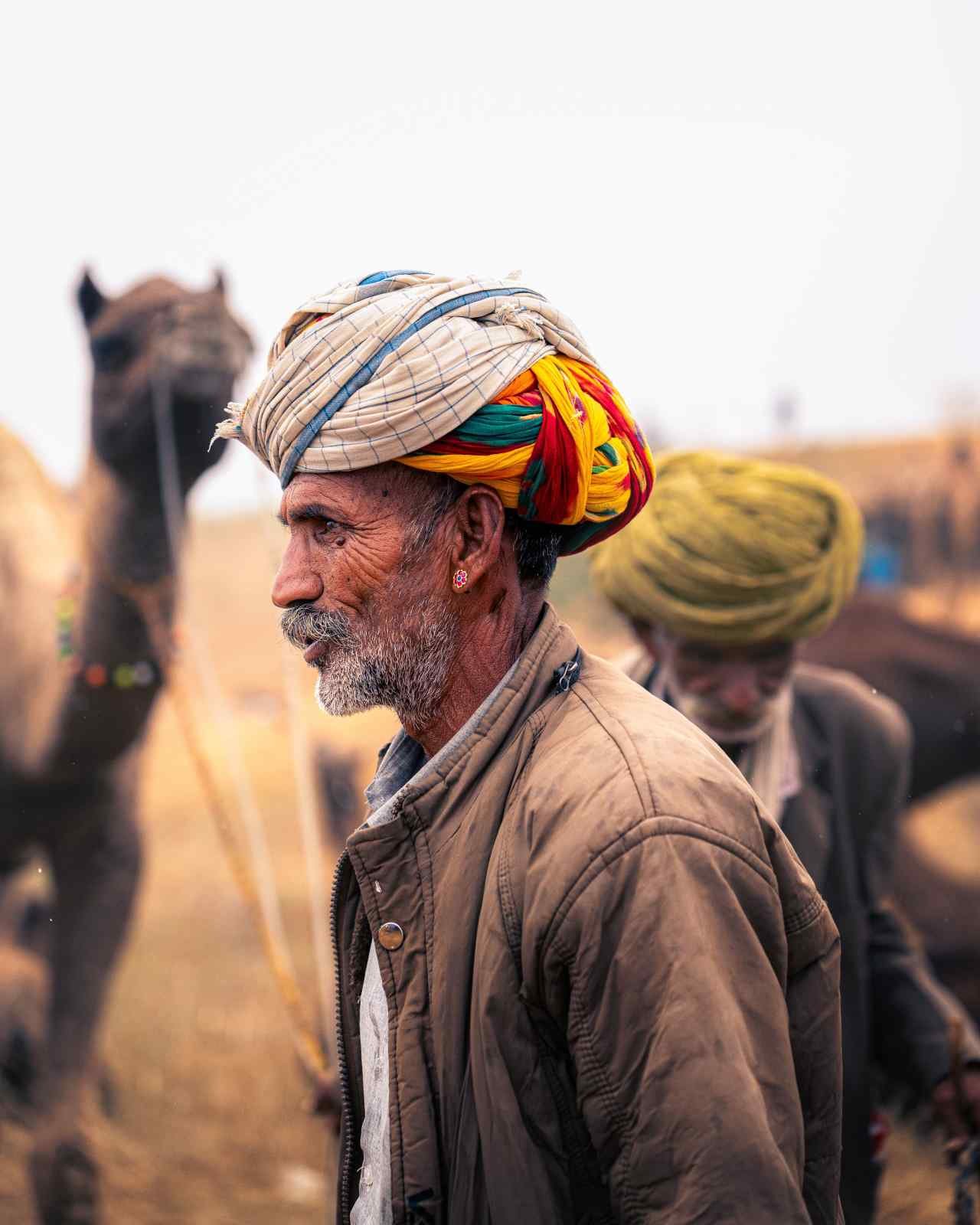
VILLAGE TRIP RANTHAMBORE NATIONAL PARK
Best Ranthambore Village Tour Places
If you’re wondering which Ranthambore village tour places are actually worth your time, here’s a breakdown of the ones most commonly included in local itineraries.
Sherpur
Sherpur is one of the most frequently visited stops, known for traditional Rajasthani homes built the old way — mud walls, thatched roofs, and shared courtyards. It’s a solid pick if you want to see how rural houses are actually constructed and lived in, not staged for tourists.
Khilchipur
Sitting near the Banas River, Khilchipur adds a bit of history to the mix with an old fort and temple close by. If you want your village visit to double as a small heritage stop, this one fits well.
Balas
Balas has a quieter, more open feel — think fields and farmland rather than a tightly packed village center. It suits travelers who want the visit to feel like a countryside walk rather than a structured tour.
Nalghar
Right on the edge of the park boundary, Nalghar has a few old temples that give it a slightly different character — part village visit, part small pilgrimage stop.
Bhanwar Garh
Deeper toward the park, Bhanwar Garh is known for an old stepwell and traditional architecture worth seeing even if crafts and farming aren’t your main interest.
Practical tip: operators don’t all visit the same villages, so ask in advance which one is on your itinerary and what makes it worth seeing. Don’t assume they’re interchangeable — each has its own draw.
What Is a Ranthambore Village Tour?
A Ranthambore village tour is a guided visit to one or more rural communities near the national park, usually arranged through your resort or a local operator. Instead of scanning for tigers, you’re walking through village lanes, meeting local families, and watching age-old crafts being made by hand.
Most tours run two to three hours and combine a bit of everything: a walk through the village, a stop at a local home, a look at a craft or two being made, and a ride back by camel cart, horse, or jeep. It’s usually booked as an add-on to a safari trip rather than the main event — which is exactly why so many visitors skip it and later wish they hadn’t.
Key Takeaways
A village tour typically lasts 2–3 hours and pairs well with a non-safari time slot.
Villages like Sherpur, Khilchipur, and Bhanwar Garh are among the most commonly visited.
October to March is the most comfortable season for a village walk.
Camel carts, horseback riding, and jeeps represent the three primary modes of transportation to reach the destination.
Buying crafts directly from artisans supports the local economy more directly than resale shops.
Most resorts and operators can arrange it with a day’s notice.
Ranthambore Village Tour Package & Price
Ranthambore village tour prices vary depending on what’s included — transport mode, group size, and whether it’s a standalone add-on or bundled into a larger Ranthambore tour package.
As a rough guide:
| Package Type | What's Usually Included | Typical Duration |
|---|---|---|
| Basic add-on | Guide + jeep transport | 2 hours |
| Camel cart village trip | Camel cart ride + guide + village walk | 2–3 hours |
| Combined safari + village package | Safari + village tour + transport | Full day |
| Overnight homestay experience | Stay, meals, guided walk | 1–2 nights |
Prices are best confirmed directly with your resort or operator since they shift seasonally and by group size — treat any number you see online as a starting estimate, not a fixed rate. When comparing a Ranthambore village trip package, ask specifically whether the guide fee, transport, and any entry or donation contributions to the village are included, since these are sometimes quoted separately.
How to Get Around
How you travel to the village changes the experience more than most people expect.
Camel cart: the classic choice, slow-paced and photogenic — good for families and first-timers, less ideal if you’re short on time or have back issues.
Horse ride: offered by some operators as a faster, more adventurous alternative to the camel cart.
Jeep: quicker and more comfortable, usually the default if you’re combining the visit with a safari on the same day.
On foot: if your village stop is close by, ask your guide if you can walk in. You notice far more at walking pace — small shrines, curious kids, the smell of dinner cooking over a wood fire.
If you have a preference, mention it when booking. Operators will usually default to whichever is fastest to arrange unless you ask otherwise.
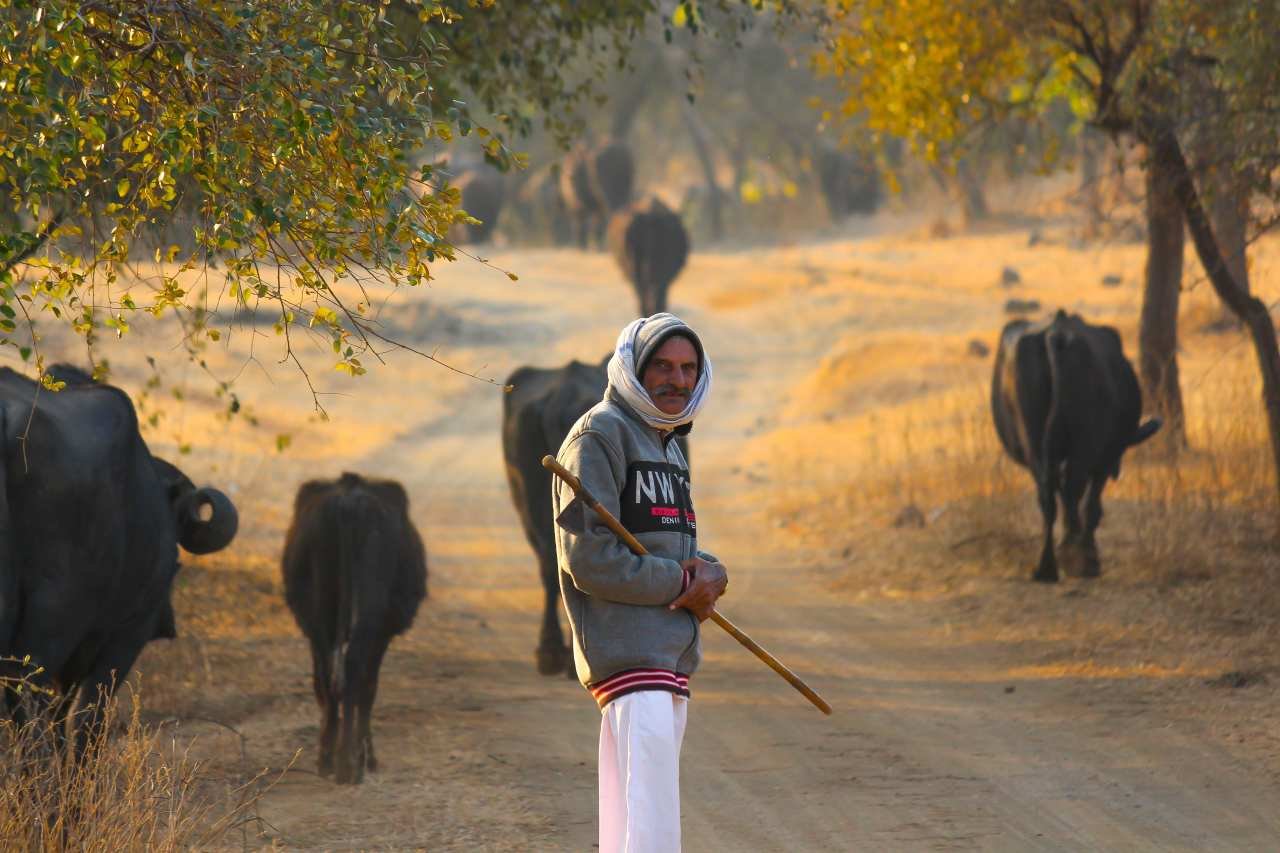
VILLAGE TOUR RANTHAMBORE NATIONAL PARK
Meeting Local Artisans
This is where a village tour earns its reputation. Villages around Sawai Madhopur are known for a handful of specific crafts, and watching them being made is a different experience than seeing them folded on a shop shelf.
Mandana wall art — white geometric and figurative patterns painted directly onto mud walls, usually by women in the household, often depicting animals, birds, and daily village life.
Bandhani and lahariya textiles — traditional tie-dye and wave-pattern fabrics, some still made entirely by hand.
Block printing, wood and metal handicrafts, and silver jewelry — the specific craft you’ll see depends on which village you visit.
If you want to buy something, buying directly from the artisan puts more money in their hands than a resale shop and usually costs you less too. Asking about the process before buying isn’t just polite — most artisans genuinely enjoy explaining it, and it makes the purchase mean more.
Responsible Village Tourism
You’re visiting someone’s home, not a museum exhibit, and a few habits go a long way:
Always ask before photographing people, not just scenery.
Dress modestly — covered shoulders and knees, especially before entering a home.
Don’t walk into a house uninvited, even if the door is open.
Buy crafts directly when you can, rather than only photographing them.
Ask whether your operator has an ongoing relationship with the village — tours built on a long-term local partnership tend to put more back into the community than a one-off passthrough visit.
None of this is complicated, but it’s the difference between being a respectful guest and just another tourist passing through.
Lorem ipsum dolor sit amet, consectetur adipiscing elit. Ut elit tellus, luctus nec ullamcorper mattis, pulvinar dapibus leo.
Best Time to Visit
Safari season advice is built around tiger sightings, which isn’t quite the same thing you need for a village walk.
October to March: the most comfortable window — cool mornings, pleasant afternoons. December and January mornings can be genuinely cold, so bring a layer.
April to June: hot, often past 40°C by midday, which makes walking uncomfortable. Early morning visits are still workable.
July to September (monsoon): greener, quieter, but muddy paths and unpredictable rain make it less reliable if your time is limited.
If your trip falls outside the ideal window, shift your village visit to early morning or late afternoon rather than midday.
Suggested Itinerary: Village Tour + Safari
A simple two-day structure that balances both:
Day 1: Morning safari → rest through midday heat → afternoon village tour when the light is better anyway → evening at your resort.
Day 2: Early morning safari → free time or a second village stop if you enjoyed the first → departure.
This way, the village tour complements your wildlife time instead of competing with it for a slot.
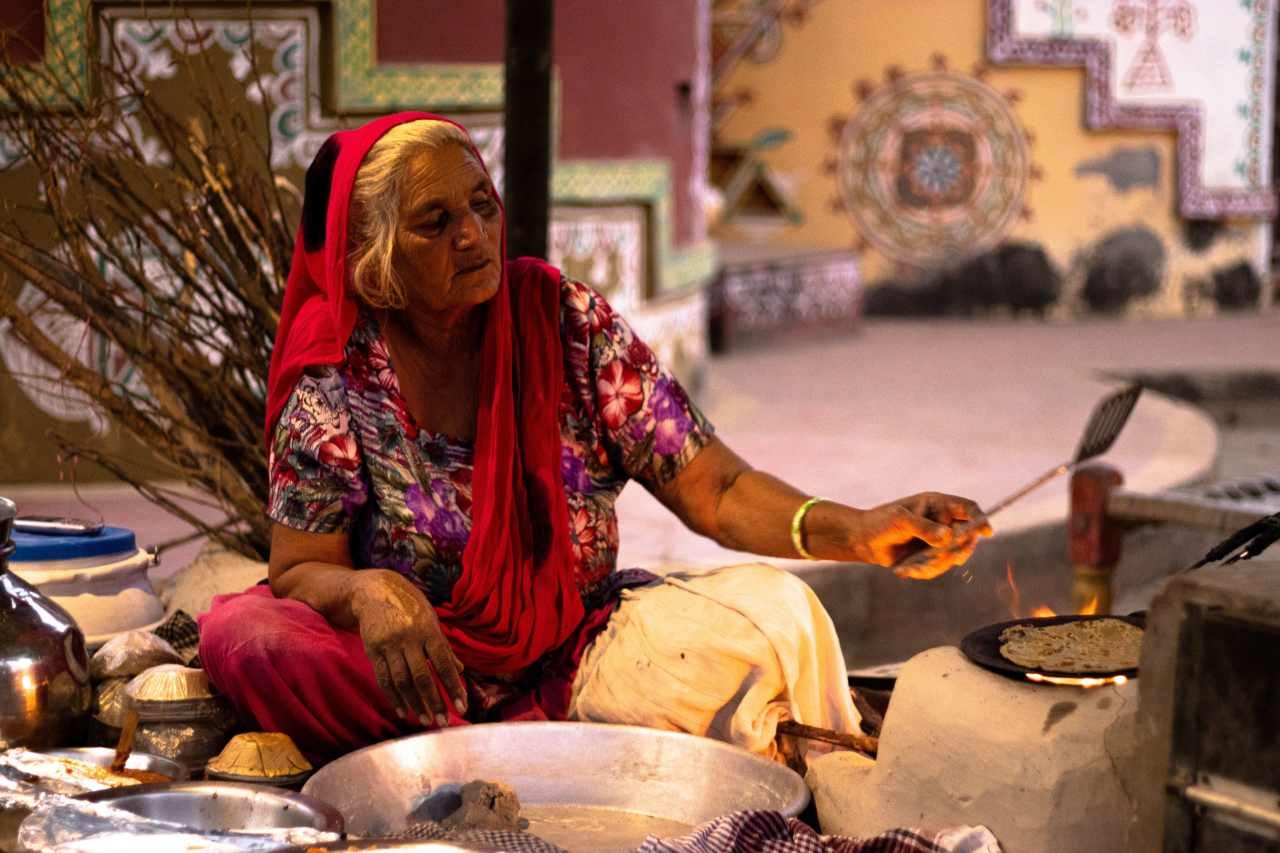
TRADITIONAL FOOD VILLAGE RANTHAMBORE NATIONAL PARK
Common Mistakes to Avoid
Assuming all villages are the same — they’re not; ask what’s distinctive about the one you’re visiting.
Skipping it because it seems “extra” — many travelers rank it above the fort tour once they’ve done it.
Not asking about transport options in advance — you might end up with a jeep when you wanted the camel cart experience, or vice versa.
Visiting at midday in summer — plan around the heat, not around convenience.
Photographing people without asking — it’s a quick courtesy that avoids an awkward moment.
Not confirming what’s included in the price — guide fees, transport, and village contributions aren’t always bundled the same way across operators.
Nearby Attractions
If you’re building a full day around your village visit, a few nearby stops are worth combining it with:
Ranthambore Fort — a UNESCO-listed hill fort with centuries of history, easily paired with a village visit in the same outing.
Trinetra Ganesh Temple — located within the fort complex, significant to local villagers as well as visitors.
Padam Lake (Padam Talao) — scenic, and often part of a safari route, so worth timing your day around if possible.
Frequently Asked Questions
Is a Ranthambore village tour worth it? Yes, for most travellers — it offers a genuinely different experience from the safari and is often the part of the trip people talk about most afterward.
What does a Ranthambore village tour package usually include? Typically a guide, transport (camel cart, horse, or jeep), and a guided walk through one or more villages. Some packages bundle it with a safari or overnight homestay.
How much does a Ranthambore village tour cost? Pricing depends on transport mode, group size, and whether it’s bundled with a safari. Confirm directly with your resort or operator for current rates rather than relying on a fixed number online.
Is it safe? Yes — these are established, guide-led visits to communities accustomed to tourism, not unsupervised excursions.
It is generally appropriate for children and elderly travellers, particularly when utilizing a jeep or camel cart instead of undertaking a lengthy walk, and when the village is located at a reasonable distance from your base.
Do I need to book in advance? It’s best arranged a day ahead through your resort or operator, though some can accommodate same-day requests depending on availability.
Can foreign or first-time visitors join easily? Yes — it’s often cited as one of the more approachable cultural experiences precisely because it’s guided and low-pressure.
What should I wear? Modest, comfortable clothing covering shoulders and knees, plus closed shoes for uneven ground.
A tiger sighting is the reason most people book a trip to Ranthambore. But a village tour is often the reason they remember it so fondly. If you have even half a day free between safaris, it’s worth setting aside — not as an afterthought, but as the other half of what makes this part of Rajasthan worth visiting.
Ready to add a village tour to your Ranthambore trip? Get in touch to build a customized Ranthambore tour package around your dates, or book your Ranthambore safari and village tour together for the full experience.