
Jhalana Leopard Reserve
- Home
- Jhalana Leopard Reserve
Jhalana Leopard Reserve | Jhalana Leopard Safari Park
Jhalana Leopard Reserve: The Complete Jaipur Safari Guide
Most people don’t expect to see a wild leopard fifteen minutes from an airport. Jaipur has one anyway.
Jhalana Leopard Reserve sits on the edge of the Pink City, wedged between the Aravalli hills and Jaipur’s growing suburbs, and it does something almost no other leopard habitat in India manages: it lets you see leopards in broad daylight, often within the first hour of your safari. That in itself justifies the journey. What makes it worth reading this guide first is everything that happens around the sighting — the booking system, the pricing quirks, the zone that gets assigned to you at random — because a fair number of visitors learn these lessons the hard way.
This guide covers all of it: the history behind the reserve, what you’ll actually see, current charges, how booking works, the best time to go, and where to stay if you want to be close to the gate. By the end, you’ll know more than most first-time visitors do before they even land in Jaipur.
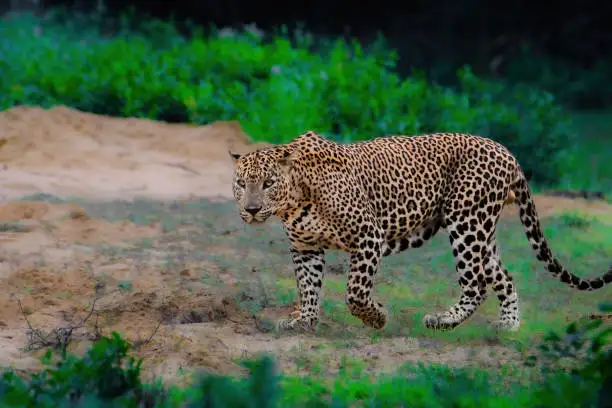
Jhalana Leopard Reserve Safari Charges and Ticket Price
Jhalana Leopard Reserve Safari Charges and Ticket Price
Entry fees here follow a structure common to Indian wildlife reserves, though exact numbers shift periodically — always confirm current rates on the official portal before you book.
Indian nationals pay a lower base safari charge, with separate add-ons for the vehicle and camera equipment.
Foreign tourists pay a noticeably higher ticket price, standard practice across India’s protected reserves.
Private vehicle bookings cost more than shared ones but guarantee you won’t be grouped with strangers.
One pricing detail catches people off guard: if you book a shared jeep and your group doesn’t fill all six seats, you may still be billed for the empty ones. It’s a forest department policy, not a scam, but it’s worth asking about directly before you pay — especially if you’re traveling as a couple or small group expecting a per-person rate.
What Is Jhalana Leopard Reserve?
Jhalana Leopard Reserve is India’s first conservation area created specifically for leopards, spread across roughly 20 square kilometers of dry deciduous forest on Jaipur’s southern edge. It shares its conservation-reserve status with the neighboring Amagarh forest, together covering about 36 square kilometers under the Rajasthan Forest Department.
What sets Jhalana apart isn’t just that it has leopards — several Indian forests do. It’s that the leopards here behave differently. Leopards are naturally shy and mostly nocturnal almost everywhere else. In Jhalana, they’ve adjusted to daytime activity and to the steady presence of safari jeeps, which is unusual enough that researchers have studied the pattern. For a visitor, that translates into genuinely strong odds of a sighting, not just a hopeful one.
Quick snapshot:
Area: ~20 sq km (Jhalana), ~36 sq km combined with Amagarh
Leopard population: 40+, including cubs
Governing body: Rajasthan Forest Department
Known for: Daytime leopard sightings inside city limits
How to Book Jhalana Leopard Reserve
Jhalana runs on a zone system with a capped number of jeeps per shift — typically 10 to 12 six-seaters. One thing to set your expectations on: you don’t choose your zone. Allocation is randomized by the booking system to spread vehicles evenly across the reserve, so treat any promise of a “guaranteed” zone with skepticism.
Steps for Jhalana Leopard Reserve online booking:
Visit the official Rajasthan Forest Department portal or the state’s OBMS tourism site for real-time availability and safari booking.
Choose your shift — morning or evening — based on the timings below.
If booking through a private operator instead, confirm they’re working off the same official permit system rather than reselling a held slot.
Book 2–3 weeks ahead for regular dates; go a month or more out for winter weekends and holidays, which sell out fast.
Double-check which reserve gate — Jhalana or Amagarh — your jeep safari booking is actually assigned to.
That last step matters more than it sounds. Jhalana and Amagarh are booked under one combined system, and travellers have ended up at the wrong gate simply because an operator treated the two as interchangeable. They aren’t — Amagarh is a separate, newer forest with a different sighting track record.
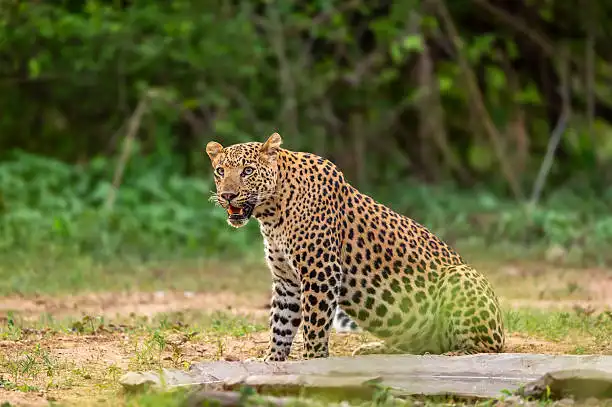
How to Book Jhalana Leopard Reserve
History and Biography of Jhalana Leopard Reserve
The land Jhalana now protects has a longer story than most visitors realize. For generations, this forest served as the private hunting ground of Jaipur’s royal family — a role you can still see traces of today in Shikaar Audi, a three-storeyed hunting lodge that sits right in the middle of the reserve and doubles as a wildlife-viewing platform.
Cattle grazing and firewood collection took over the land in later decades, gradually degrading parts of the forest. Then, in 2017, the Rajasthan Forest Department formally declared Jhalana a leopard conservation reserve, making it the first reserve in India created with that specific purpose. Amagarh followed in 2022, and the two were later jointly recognized as a single conservation reserve under India’s Wildlife Protection Act.
That history matters practically, too. It explains why Jhalana feels different from India’s larger tiger reserves — it wasn’t built around vast, untouched wildernessThis area was a reclaimed forest located near urban settings, which is precisely the reason why leopards in this region have adjusted to coexist with humans in a manner that their counterparts in other locations have not.
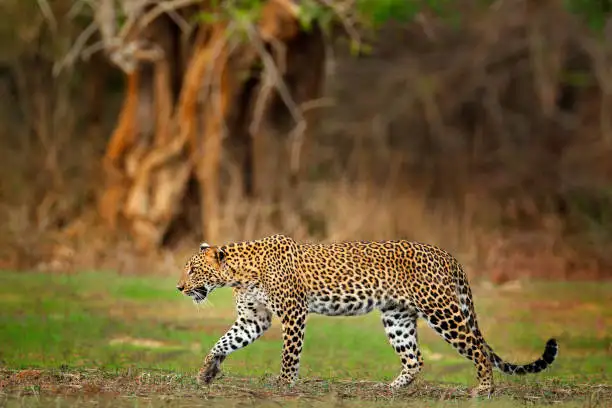
Best Time to Visit Jhalana Leopard Reserve
Best Time to Visit Jhalana Leopard Reserve
Here’s what most guides won’t tell you clearly: Jhalana stays open year-round, including through the monsoon, when major reserves like Ranthambore and Sariska shut down completely. This one fact alters your perspective on timing.
October to March: The most comfortable window — mild weather, clear visibility, and the busiest booking calendar. Book well ahead.
April to June: Hot, but sightings can actually improve as animals gather more predictably around water sources.
July to September: Jhalana offers a unique advantage as it is one of the few leopard safari options available during the monsoon season, transforming the forest into a vibrant landscape of lush greenery rather than the usual dry and dusty appearance.
Early mornings, any season: Pack warmer than you’d expect. Open-top jeeps at sunrise get cold, even in a desert city.
Jhalana Leopard Reserve Safari Timings
Safaris run in two shifts, timed around sunrise and sunset, when leopard movement peaks:
Morning shift: Colder, quieter, generally considered the stronger sighting window
Evening shift: Milder temperatures, better light for photography
| Feature | Jhalana | Amagarh |
|---|---|---|
| Declared as reserve | 2017 | 2022 |
| Approximate size | 20 sq km | 15 sq km |
| Reputation | Established, higher sighting confidence | Newer, historically fewer confirmed sightings |
| Notable feature | Shikaar Audi royal hunting lodge | 18th-century fort built by Sawai Jai Singh |
Where to Stay: Resorts Near Jhalana Leopard Reserve
Most visitors base themselves in Jaipur’s Malviya Nagar or Vidhyadhar Nagar areas, both a short drive from the reserve gates, rather than staying inside or immediately adjacent to the forest itself. If your safari starts before sunrise, staying closer cuts down on the pre-dawn commute considerably.
A few practical pointers when choosing where to stay:
Properties within a 20–30 minute drive of the gate give you the most buffer for early shifts.
Ask your hotel about early breakfast or packed-breakfast options — most morning safaris leave before regular breakfast service starts.
If you’re combining Jhalana with Jaipur’s main attractions (Amber Fort, Hawa Mahal, City Palace), a central Jaipur location often works better than one built purely around proximity to the reserve.
Jhalana Leopard Reserve Tour Packages
Many Jaipur tour operators bundle a Jhalana safari with a half-day or full-day city sightseeing package, which makes sense logistically — safaris run early morning or late afternoon, leaving the middle of the day free. If you’re short on time in Jaipur, look for packages that pair:
Morning safari + afternoon city tour (Amber Fort, City Palace)
Evening safari + earlier half-day heritage walk
Multi-day Rajasthan itineraries that include Jhalana as a one-day add-on between Jaipur and onward travel to Ranthambore or Udaipur
Whichever package you choose, confirm the safari portion is booked through the official permit system rather than just promised by the operator — the same rule that applies to independent booking applies here too.
Flora and Fauna of Jhalana Leopard Reserve
The forest itself is dry deciduous, meaning it sheds its leaves for much of the year and turns green only after the monsoon. Dominant trees include dhok, khejri, and salar, alongside patches of juliflora that were originally planted for firewood but have since spread widely across the landscape.
Leopards get top billing, but they share the reserve with:
Striped hyenas
Jungle cats and desert cats
Nilgai (blue bull) and sambar deer
Spotted deer (chital)
Jackals, desert foxes, and porcupines
Monitor lizards and a range of snake species
Birding in Jhalana Leopard Reserve
If you’re a birder, don’t treat Jhalana as a leopard-only trip. The reserve hosts well over a hundred bird species, including the Indian Pitta and several owl varieties, making it a legitimate stop on any Rajasthan birding itinerary — not just an add-on while you wait for a leopard to show up.
How to Reach Jhalana Leopard Reserve
By air: Jaipur International Airport is about 6 km away, roughly a 15-minute drive — one of the most accessible wildlife experiences near any major Indian airport.
By rail: Jaipur Junction sits around 11–12 km from the reserve, with direct trains from Delhi, Mumbai, and Udaipur.
By road: Well connected via national highways to Delhi, Ahmedabad, Udaipur, and Kota, making it an easy stop on a broader Rajasthan road trip.
Frequently Asked Questions
How many leopards live in Jhalana Leopard Reserve? More than 40, including cubs — a population that has grown beyond what one park ranger estimated the habitat could naturally support.
What are the current Jhalana Leopard Reserve safari charges? Charges differ for Indian and foreign nationals, with additional fees for vehicles and camera equipment. Rates change periodically, so confirm current pricing on the official booking portal before you pay.
Is Jhalana different from Amagarh? Yes. They’re managed jointly as one conservation reserve but are physically separate forests with different gates, so confirm which one your booking is actually for.
What are the best Jhalana Leopard Reserve safari timings? Two shifts run daily, timed around sunrise and sunset — the periods when leopards are most active.
Can I do Jhalana Leopard Reserve online booking directly, without an agent? Yes. The official Rajasthan Forest Department and OBMS portals allow direct booking. Agents are useful for last-minute slots or when the official site is temporarily down, but they aren’t required.
Are kids allowed on the safari? Yes, generally with no strict minimum age, though children around six and older are usually charged the full adult rate.
Jhalana Leopard Reserve delivers something genuinely rare — a real shot at seeing a wild leopard in daylight, inside the boundaries of a major Indian city. The sighting itself isn’t the hard part; the booking system is. Confirm your reserve gate, understand the safari charges before you pay, dress warmer than Jaipur’s reputation suggests, and go in knowing your zone is assigned by lottery, not by request.
Get those details right, and the rest takes care of itself. The leopards, by most accounts, tend to show up anyway.
Ready to plan your safari? Check live availability on the official Rajasthan Forest Department booking portal, confirm your preferred shift, and lock in your Jhalana Leopard Reserve safari booking before your travel dates sell out.