
Kanha Tiger Reserve
- Home
- Kanha Tiger Reserve
Kanha Tiger Reserve
Welcome to Kanha Tiger Reserve Madhya Pradesh The Complete Guide to Safaris, Costs, Zones & Booking
Most people search for Kanha Tiger Reserve with one of two questions in mind: “Is this trip worth it?” “I have made a reservation — what information should I be aware of now?” This guide answers both, using real safari costs, real zone comparisons, and details that most travel blogs skip entirely, like the mobile phone rule that catches almost every first-time visitor off guard.
Kanha Tiger Reserve sits in Madhya Pradesh, tucked into the Maikal range of the Satpuras, and it’s the largest national park in the state. It’s also one of India’s oldest continuously protected forests, and widely believed to be the landscape that inspired Rudyard Kipling’s The Jungle Book. The Sal forests, the open meadows, even a tiger named Sher Khan — it all traces back to these woods.
But you’re not here for a literature lesson. You want to know where Kanha National Park is located, what a safari actually costs, which zone gives you the best shot at a tiger, and how to book it without any surprises. Let’s get into it.
Where Is Kanha National Park Located?
Kanha National Park is located in Madhya Pradesh, split across the Mandla and Balaghat districts in central India. If you’ve been searching “Kanha National Park is located in which state,” that’s your answer — Madhya Pradesh, often called the “Tiger State” of India because it holds more tigers than any other state in the country.
Lorem ipsum dolor sit amet, consectetur adipiscing elit. Ut elit tellus, luctus nec ullamcorper mattis, pulvinar dapibus leo.
| Detail | Information |
|---|---|
| State | Madhya Pradesh |
| Districts | Mandla and Balaghat |
| Total area | 940 sq km core zone, ~1,945 sq km including buffer |
| Established | Sanctuary (1933) → National Park (1955) → Tiger Reserve (1973) |
| Tiger population | Around 105 (2022 All India Tiger Estimation) |
| Main entry gates | Khatia, Mukki, Sarhi |
| Best time to visit | October to June (closed July–mid-October) |
| Nearest airport | Jabalpur, roughly 160 km away |
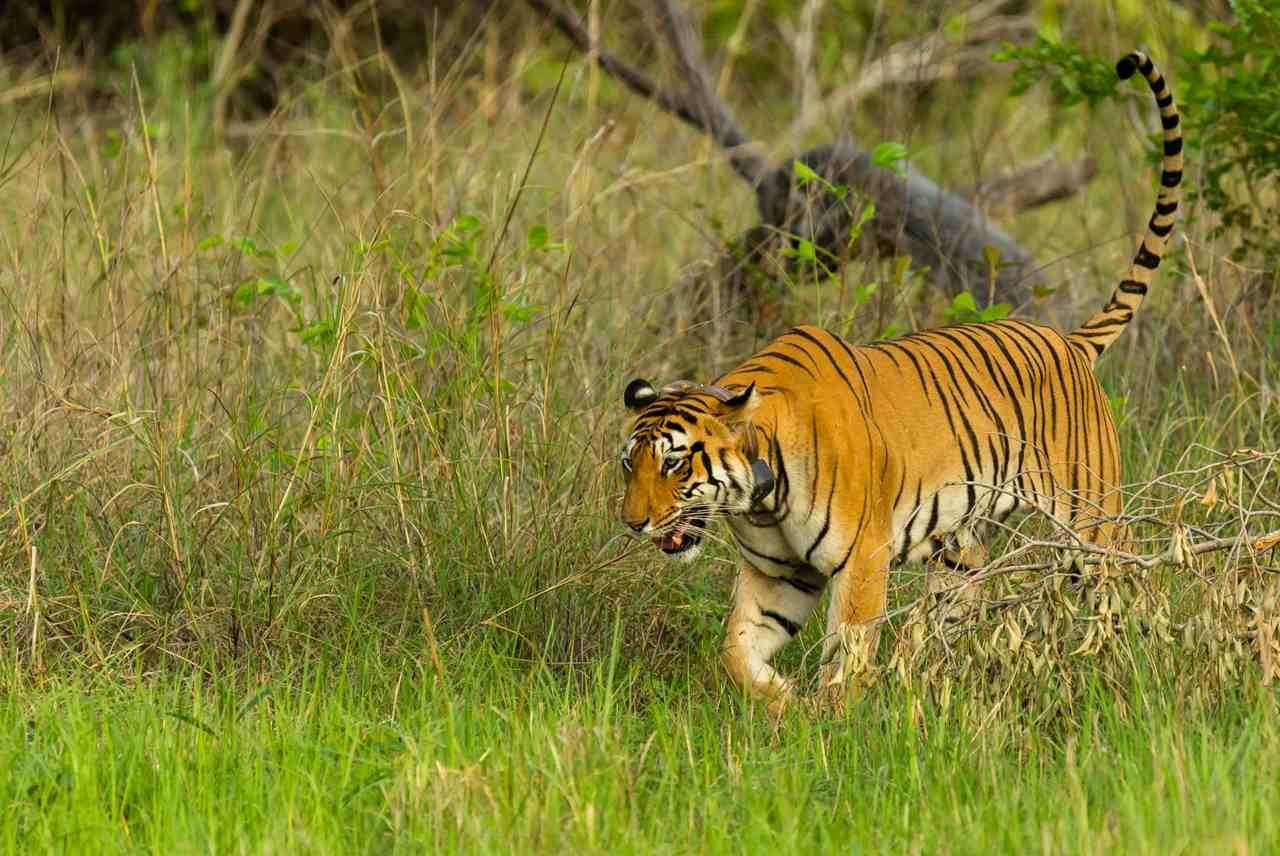
Kanha Tiger Reserve Ticket Price
Kanha Tiger Reserve Ticket Price: What a Safari Actually Costs
This is the point at which many first-time visitors find themselves unexpectedly surprised. Nobody puts the full Kanha National Park ticket price picture in one place, and travellers routinely mention feeling blindsided by how many separate charges stack up.
Here’s the honest breakdown:
Entry permit fee — charged per person, and it varies by zone and nationality (foreign tourists pay a noticeably higher rate)
Vehicle hire — a flat fee per Gypsy or Canter, split among your group
Guide fee — mandatory, and arguably the single factor that most affects how good your safari feels
Camera fee — an extra charge for DSLR or serious camera equipment
Guide tip — optional, but customary if your guide genuinely helps you spot wildlife
For a group of four sharing a Gypsy, one safari typically costs somewhere between ₹10,500 and ₹12,500 once every fee is included. Multiply that across two safaris a day over a two- or three-day stay, and the total climbs faster than most people budget for. Plan for this upfront, not after your first morning drive.
A Quick History of Kanha Tiger Reserve
Kanha’s protection story goes back further than most visitors realize. The forest gained some protected status as early as 1862, became a reserved forest in 1879, and was declared a wildlife sanctuary in 1933. It officially became a national park on June 1, 1955 — though back then, it covered just 252 sq km, a small fraction of today’s size.
When India launched Project Tiger in 1973 to rescue its collapsing tiger population, Kanha was chosen as one of the original nine reserves. That’s the moment Kanha Tiger Reserve, as we know it today, truly began.
The Barasingha: Kanha’s Real Conservation Success Story
Ask most people about Kanha and they’ll mention tigers. Inquire with a naturalist, and they are likely to mention the Barasingha instead — and justifiably so.
By the early 1970s, hunting and habitat loss had pushed Kanha’s swamp deer population down to around 66 animals. Not 66 hundred. Sixty-six, total. Through decades of quiet, unglamorous conservation work — habitat restoration, predator management, close monitoring — that number has climbed past 800 today.
Kanha remains the only place on Earth where the hard-ground Barasingha survives in the wild. It’s such a point of pride that the park adopted “Bhoorsingh the Barasingha” as its official mascot, the first tiger reserve in India to have one.
A History Worth Acknowledging Honestly
There’s a harder chapter here too. The Baiga tribe, a semi-nomadic community that depended on this forest, lived across roughly 28 villages inside what’s now the reserve until they were relocated in the late 1960s for habitat protection. It’s a pattern repeated across many of India’s tiger reserves — genuine conservation wins that came with real human cost. A good guide will often bring this up unprompted if you ask about the park’s history.
Wildlife You'll Find in Kanha National Park
Everyone comes hoping to see a tiger, and fair enough. But if you only watch for stripes, you’ll miss most of what makes this forest remarkable.
Large mammals to look for:
Bengal tiger
Indian leopard — rarer, and often more thrilling for exactly that reason
Indian wild dog (dhole), usually spotted hunting in packs
Sloth bear
Gaur, the largest wild cattle species on the planet, grazing calmly in open meadows
Barasingha, easiest to spot in the meadows near Kanha zone
Chital, sambar, and the increasingly rare blackbuck round out the herbivore population that keeps this entire ecosystem running.
If birdwatching is your priority, Kanha holds around 300 recorded species. Watch for the crested serpent eagle, Indian paradise flycatcher, and Malabar pied hornbill, plus migratory ducks and teals near the water bodies in winter. Early morning safaris matter most here — bird activity peaks in that first hour after the gates open.
Kanha Tiger Reserve Safari Booking: How the Process Works
Kanha Tiger Reserve safari booking — and Kanha National Park safari booking, if that’s the phrase you searched — both run through the same channel: the Madhya Pradesh Forest Department’s official online portal. Most resorts will also handle the booking for you as part of a package, which is worth considering if you’d rather skip the portal yourself.
Here’s what actually matters when booking:
Book early. Weekends, holidays, and peak winter months sell out weeks or even months ahead.
Choose your vehicle type. A private Gypsy (jeep) gives you control over pace and stops. A shared Canter costs less but comes with a bigger group and less flexibility.
Skip planning around a night safari. Night safaris are currently suspended at Kanha over wildlife disturbance concerns.
Remember the Wednesday closure. Evening safaris don’t run on Wednesdays — a detail that trips up more travelers than you’d expect.
Carry a printed ticket. Digital confirmations aren’t always accepted at the gate.
Online safari booking for Kanha Tiger Reserve (and for Kanha National Park generally) opens well ahead of peak season, so booking your permit two to three months in advance is a smart habit for winter travel. Jeep safari booking at Kanha National Park works per vehicle, not per seat, so coordinating with your travel group before booking saves you from paying for unused capacity.
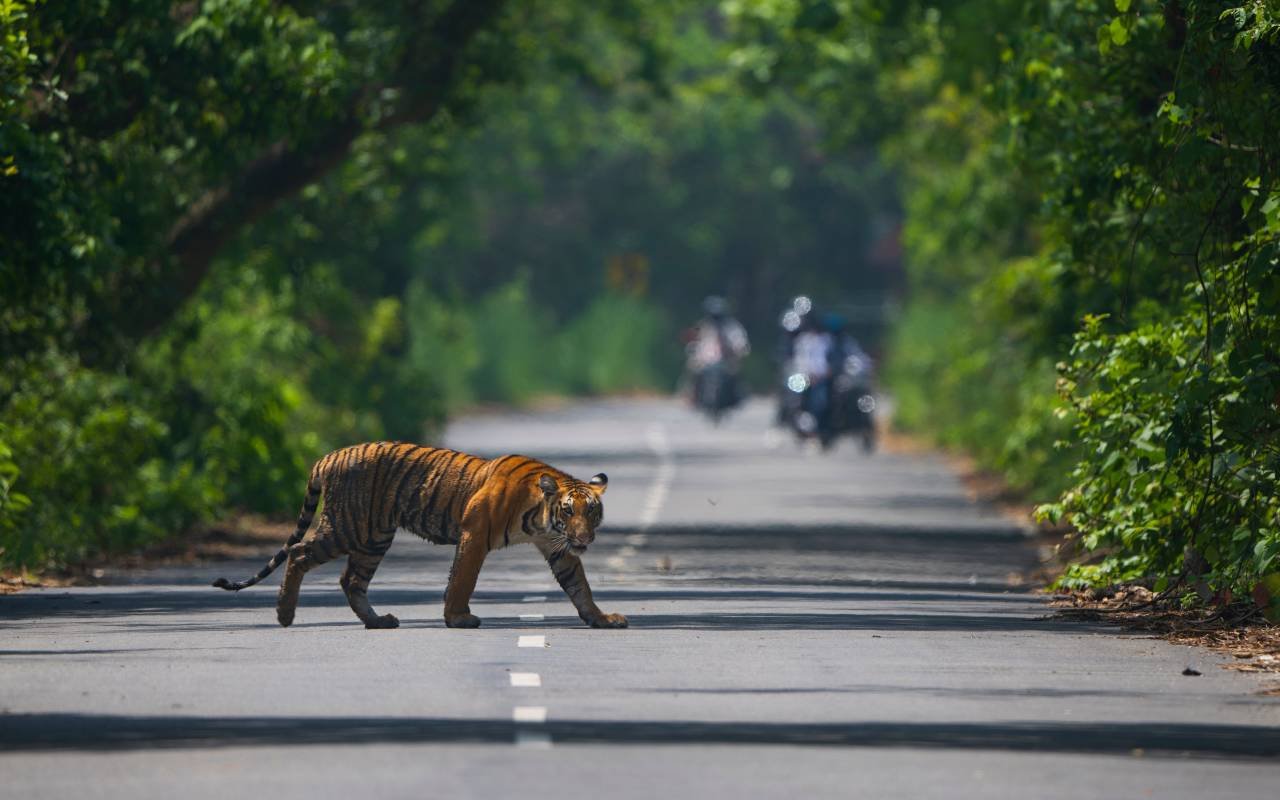
Kanha Tiger Reseve Safari Booking
| Best Time to Visit Kanha National Park | |||
|---|---|---|---|
| There's a real trade-off between comfort and sighting odds, and most guides don't explain it clearly. | |||
| Period | Weather | Sighting Odds | Crowd Levels |
| Mid-October to February | Cool, pleasant, cold mornings (0–2°C) | Moderate — dense vegetation still covers the park | Moderate to high |
| March to mid-April | Warming up | Improving as animals move toward water | Moderate |
| Mid-April to June | Hot, up to 46°C | Best of the year — sparse cover, animals cluster near waterholes | Lower |
| July to mid-October | Monsoon | Park closed for safaris | N/A |
If comfort is your priority, visit in December or January — just pack layers, because early morning safari jeeps get genuinely cold. If a tiger sighting matters more than comfort, plan your trip for April through June, when thinning vegetation forces animals toward the remaining water sources.
Kanha National Park Timings
Morning safaris typically start around sunrise — roughly 6 AM in summer, closer to 7 AM in winter — and run until late morning. Evening safaris run from mid-afternoon until sunset. Exact gate timings shift slightly by month, so always confirm the current schedule when you book, and note that evening safaris are closed every Wednesday.
| Kanha Tiger Reserve Safari Zones: Where You'll Actually See a Tiger | |||
|---|---|---|---|
| This is the part most articles skip, even though it's the single most useful thing to know before you book. | |||
| Kanha's safari area is divided into four core zones and several buffer zones: | |||
| Zone | Type | Entry Gate | Known For |
| Kanha | Core | Khatia / Mukki / Sarhi | Open meadows, strong Barasingha sightings |
| Kisli | Core | Khatia / Mukki / Sarhi | Dense forest, good all-round wildlife |
| Mukki | Core | Khatia / Mukki | Widely considered the strongest zone for tiger sightings |
| Sarhi | Core | Khatia / Sarhi | Quieter, fewer crowds, lower sighting odds |
| Khatia / Khapa / Sijora (Buffer) | Buffer | Respective Gates | Cheaper, less crowded, good backup option |
| Phen (Buffer Sanctuary) | Buffer | Ghurri Barrier / Mukki | Ideal for serious birdwatchers |
A pattern shows up again and again in visitor experiences: travelers who stay near Mukki gate and specifically request the Mukki or Kanha zone tend to report noticeably better tiger sighting odds than those in Sarhi or the buffer zones. Season plays a role too — dry-season safaris near water sources consistently outperform monsoon-adjacent months.
Practical tip: book more than one safari if your schedule allows. Tiger movement changes day to day, so two or three safaris across different zones raise your overall chances far more than pinning everything on a single drive.
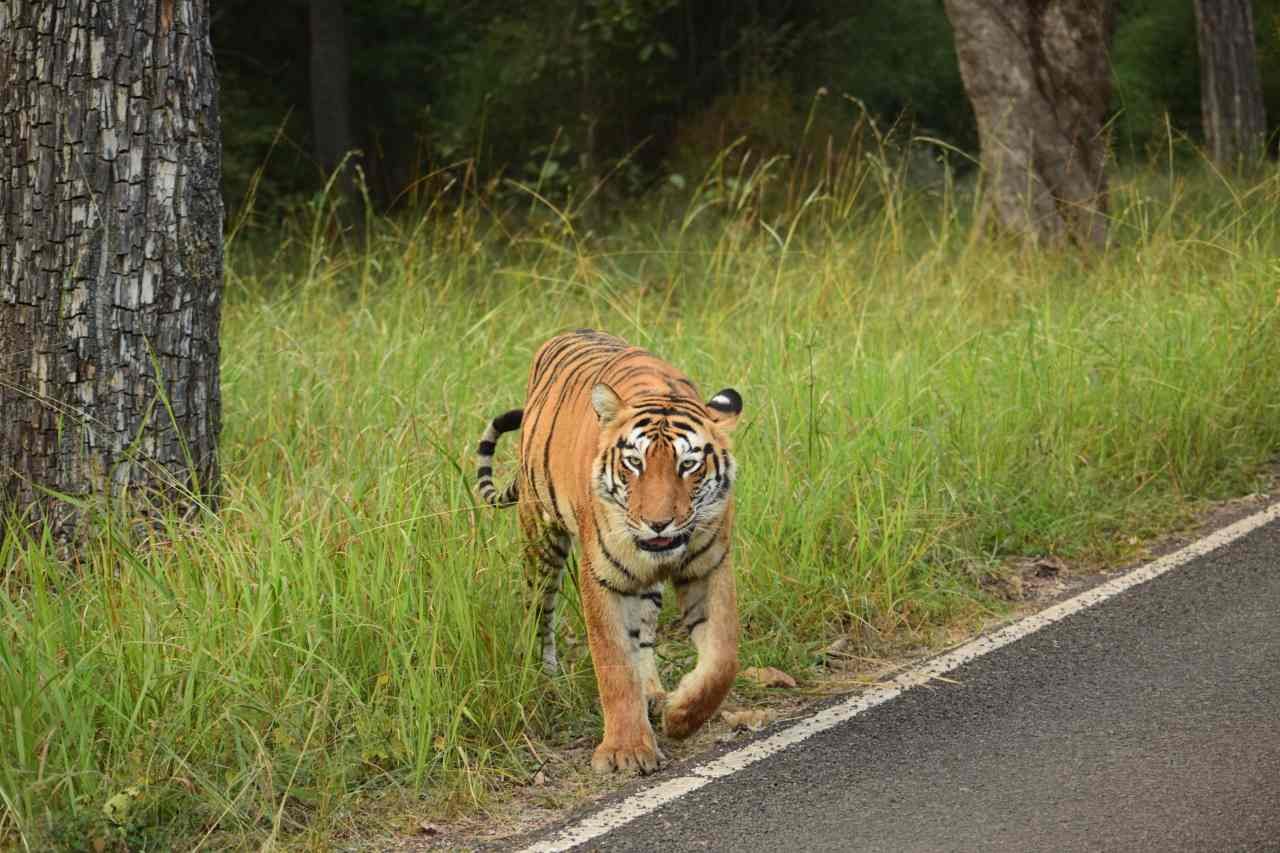
Kanha Tiger Reserve Price and Policy
What to Expect on Safari: Rules and the Mobile Phone Policy
This section exists because almost no other guide explains it clearly, and it’s one of the most common sources of visitor frustration.
Your mobile phone will likely be locked away before you enter the park. Multiple recent visitors describe having their phones taken at the gate before their very first safari — a jarring surprise if you’re not expecting it. Proper cameras are generally still allowed; it’s specifically phones that get restricted, largely to prevent unauthorized filming and reduce disturbance from calls. Bring an actual camera if photos matter to you.
Other rules worth knowing:
Stay quiet during the drive — guides and rangers enforce this fairly strictly
Commercial filming needs a separate permit
Wear muted, earthy colors like khaki, olive, or beige — avoid bright colors, especially red
Private vehicles aren’t allowed inside the reserve at all
What to pack: binoculars, a refillable water bottle, sunscreen for the dry season, and genuinely warm layers if you’re visiting between November and February. Open jeeps at sunrise get colder than most people expect.
Kanha Tiger Reserve Resort Options: Where to Stay
Kanha National Park resorts span a wide price and style range, and where you stay directly affects which gate — and therefore which zone — you’ll mostly experience. Most Kanha Tiger Reserve tours and packages are actually built around a resort’s location as much as the safari itself, so this decision carries more weight than it first seems.
| Category | Best For | What to Expect |
|---|---|---|
| Luxury lodges | Honeymooners, luxury travellers | Premium dining, private vehicles, locations near Mukki or Kisli gates |
| Mid-range resorts | Families, leisure travellers | Comfortable rooms, easy access to multiple gates |
| Standard resorts | Budget travellers, student groups | Clean, functional, close to the core experience |
| Boutique / Eco-lodges | Photographers, couples | Smaller scale, often run by experienced naturalist families |
If you’re traveling as a couple or want a premium experience, staying near Mukki gate gives you both better sighting odds and a more polished stay overall. Traveling with family or a student group? Mid-range resorts near Khatia gate usually offer the best mix of comfort, cost, and flexibility across zones.
| Jabalpur to Kanha National Park Distance and How to Reach | ||
|---|---|---|
| Most travellers fly into Jabalpur and drive the rest of the way. The Jabalpur to Kanha National Park distance is roughly 160 km, which takes about 3.5 to 4 hours depending on your entry gate. | ||
| Modes | Nearest Point | Distance |
| Air | Jabalpur Airport | ~160 km |
| Air (Alternative) | Nagpur Airport | ~280 km |
| Rail | Gondia Railway Station | ~145 km |
| Rail (Alternative) | Jabalpur Railway Station | ~160 km |
| Road | Via Jabalpur–Mandla | ~155–165 km |
If you’re combining Kanha with another reserve, Nagpur is a common gateway for travelers also visiting Pench or Tadoba.
| Kanha vs. Bandhavgarh vs. Pench vs. Tadoba | ||||
|---|---|---|---|---|
| If you're weighing Kanha against India's other major tiger reserves rather than booking it by default, here's how they compare: | ||||
| Reserve | Tiger Sighting Odds | Crowd Levels | Landscape | Best For |
| Kanha | Strong, especially Mukki zone | Moderate | Sal forests, open meadows | First-timers wanting scenery plus sightings |
| Bandhavgarh | Very high — often India's best | High | Rocky outcrops, dense forest | Travelers prioritizing guaranteed sightings |
| Pench | Moderate | Lower | Teak forests | Quieter trips, easy to combine with Kanha |
| Tadoba | High | High, congested in peak season | Dry deciduous, open terrain | Photographers wanting close, open shots |
If tiger sightings are your only goal, Bandhavgarh statistically edges out Kanha. But for a fuller experience — strong sightings alongside meadows, birdlife, and the Barasingha story — Kanha is the better all-rounder. Many serious wildlife travelers combine two reserves into a single trip instead of picking just one.
Is Kanha Tiger Reserve Worth Visiting?
Yes, with the right expectations. The forest is genuinely beautiful, the Barasingha recovery is one of India’s real conservation wins, and a good guide in the right zone during the right season gives you a real shot at watching a wild tiger — which isn’t a small thing.
That said, it isn’t flawless. Guide quality varies a lot and shapes your entire experience. Costs add up faster than expected, and the phone restriction surprises almost everyone. Sightings are never guaranteed — some visitors do multiple safaris and see only deer and langurs.
Go in with realistic expectations, book more than one safari, choose your zone deliberately, and budget for the full cost upfront. Do that, and Kanha delivers one of central India’s best wildlife experiences.
Frequently Asked Questions
Where is Kanha National Park located? Kanha National Park is located in Madhya Pradesh, spread across the Mandla and Balaghat districts in central India.
What is the Jabalpur to Kanha National Park distance? Roughly 160 km, taking about 3.5 to 4 hours by road depending on which entry gate you use.
How does online safari booking for Kanha National Park work? Booking happens through the Madhya Pradesh Forest Department’s official portal. You select your zone, date, and vehicle type, and confirmation typically comes through as a digital ticket — though carrying a printed copy is safer for gate entry.
What is the Kanha National Park ticket price? Total safari cost includes an entry permit, vehicle hire, guide fee, and an optional camera fee. For a group of four sharing a Gypsy, expect roughly ₹10,500–₹12,500 per safari once everything is added up.
What are the Kanha National Park timings? Morning safaris start around sunrise (6–7 AM depending on season) and run until late morning. Evening safaris run from mid-afternoon to sunset, except on Wednesdays, when evening safaris are closed.
Which zone is best for a first-time visitor? Mukki or Kanha zone, based on consistently stronger sighting patterns reported by repeat visitors.
Is Kanha National Park good for families and kids? Yes. Safaris run 3–4 hours, which most children manage well, though it’s worth checking early-start timings and facility access with your resort in advance.
How many days should I plan for a Kanha Tiger Reserve tour? Two to three days, with three to four safaris across different zones, gives you a realistic chance at a meaningful sighting plus time to explore beyond the safari itself.
Kanha Tiger Reserve rewards travelers who plan a little before they go. Knowing which zone to request, what a safari really costs, and why to leave your phone behind turns a good trip into a great one. Whether you’re chasing your first tiger sighting, planning a family trip, or building a longer wildlife itinerary across central India, Kanha holds up as one of the country’s most rewarding reserves — as long as you arrive with the right expectations.
Ready to Plan Your Kanha Safari?
You now know more about Kanha Tiger Reserve than most people do when they arrive — which zone to request, what your safari will actually cost, and what to pack. The next step is simple: lock in your Kanha Tiger Reserve safari booking before your preferred zone sells out, choose a resort near the gate that matches your priorities, and start counting down to your first morning drive into the forest.