
Soorwal Dam Tour Ranthambore
- Home
- Soorwal Dam Tour Ranthambore
Soorwal Dam Tour Ranthambore
Soorwal Dam Tour Ranthambore: Complete Visitor Guide
If you’ve typed “Soorwal Dam tour Ranthambore” into Google, you’ve probably noticed something odd — every article says almost the same three sentences about a “picturesque lake,” and none of them agree on how far it actually is. One says 6 km. Another says 20 km. A Tripadvisor reviewer says the road is genuinely unsafe to drive alone. Another calls it the most peaceful morning of their entire trip.
Here’s the short answer: Soorwal Dam (also spelled Surwal) is a free, seasonal birdwatching spot about 10–12 km from Sawai Madhopur, best visited between November and February, and yes, the last stretch of road is rough. Everything below explains exactly what that means for your trip.
Key Takeaways
Distance: Roughly 10–12 km from Sawai Madhopur; allow 30–40 minutes due to a rough final stretch.
Timings: Open sunrise to sunset (roughly 6 AM–8 PM); best visited between 7 and 9 AM.
Price: Free entry — no ticket, no gate, no forest permit required.
Booking: No booking needed for a DIY visit; guided excursions are available if you want expert bird identification.
Best season: November to February, when the dam is full and migratory birds arrive.
Safety: Acceptable with a reliable daytime driver; not advisable to travel alone or after sunset.
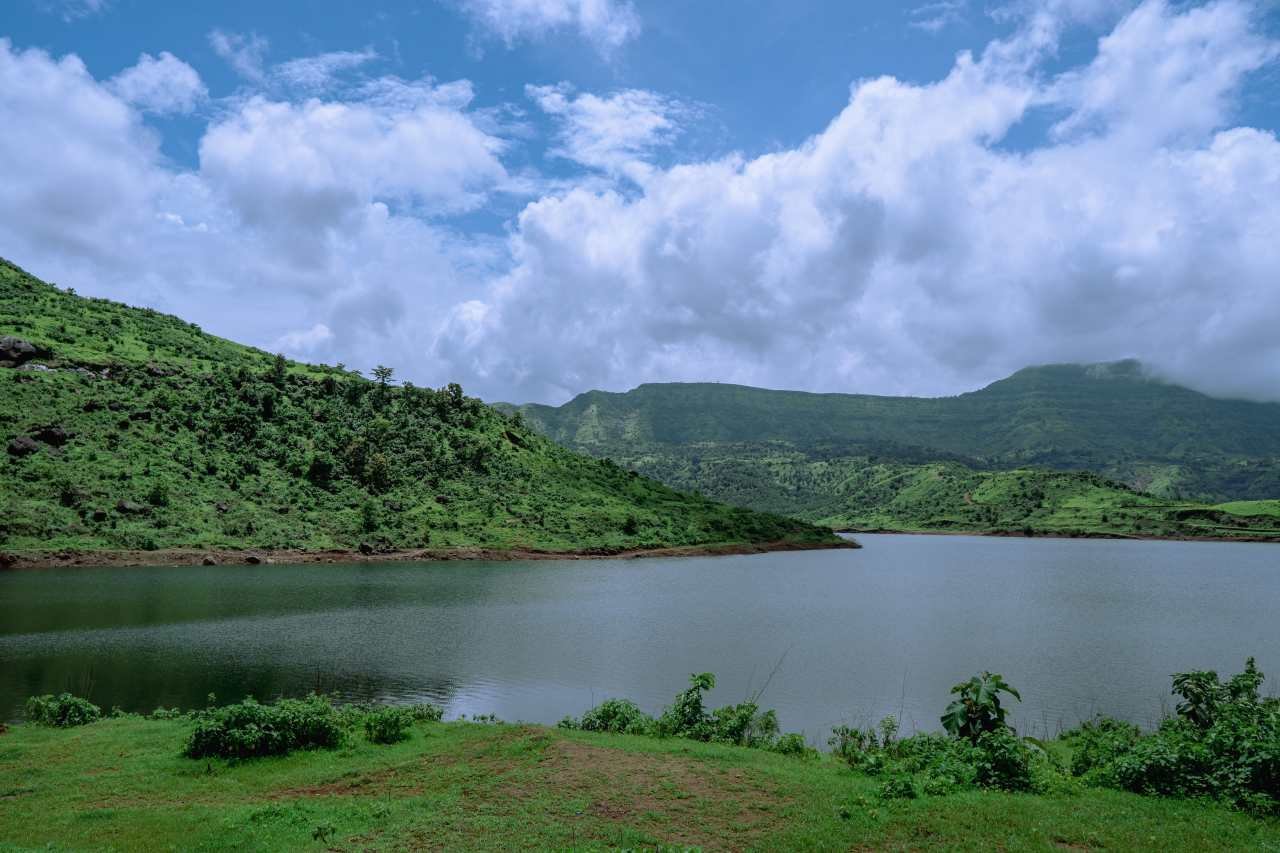
SOORWAL DAM RANTHAMBORE NATIONAL PARK
Soorwal Dam Ranthambore Distance
Expect roughly 10–12 km from Sawai Madhopur town, though you’ll see wildly different numbers across other websites — some measure from the railway station, others from specific resorts, which is why the figures range from 6 km to 20 km depending on the source.
Distance on paper doesn’t tell you much here. The drive time matters more: budget 30–40 minutes each way, because the final stretch slows everyone down regardless of how short it looks on a map.
Route: From Sawai Madhopur, head out through Karmoda village toward Soorwal village along the Megha Highway stretch. The first portion is normal paved road. The last few kilometers turn into a narrow village road shared with cattle and tractors, followed by an unpaved (kutcha) track for the final approach to the dam.
Soorwal Lake Ranthambore Price (Entry Fee)
Soorwal Lake entry is free. There’s no ticket counter, no forest permit, and no gate — unlike the main Ranthambore National Park zones, which require booked safari permits and entry fees. The only cost you’ll have is transport: a taxi or car with driver for the round trip, or a guide fee if you choose a guided excursion.
What Is Soorwal Dam?
Soorwal Dam is the structure, Surwal Lake is the water it creates — you’ll see both names used for the same place. It sits near Soorwal village, outside the core zones of Ranthambore National Park, in the farmland and buffer countryside that surrounds the reserve.
That last point matters. This isn’t a forest-department safari zone with gates, permits, or booked time slots. It’s an open, undeveloped dam that happens to attract exceptional birdlife because of its seasonal water and surrounding fields. No tiger sightings here — this is a birdwatching and quiet-scenery stop, not a wildlife safari.
Soorwal Dam Ranthambore Timings
Soorwal Dam has no official opening hours since it isn’t a gated site, but the practical visiting window is:
Open: Roughly 6:00 AM to 8:00 PM (daylight hours only — there’s no lighting or staff on-site after dark)
Best time of day: 7:00 AM to 9:00 AM, for the calmest bird activity and the best light for photography
Avoid: Late afternoon into dusk, both for photography (flat light) and for the isolated road
Soorwal Lake Ranthambore Booking Options
You don’t need to book anything to visit Soorwal Dam on your own — just arrange a car and driver through your hotel. That said, there are two realistic ways to plan the visit:
DIY with a hired taxi: Cheaper, flexible on timing, ideal if you want to be there right at sunrise. Confirm your driver has actually done this specific route before — not every local taxi driver has.
Guided excursion: Some local operators offer a bookable “Surwal Lake excursion,” usually with a guide who identifies species as you go. Worth the extra cost if birdwatching is your main reason for the trip.
If you’re already planning your main Ranthambore safari, it’s worth booking that separately and early — through Ranthambore Safari Booking or Online Safari Booking Ranthambore, since safari permits sell out well ahead of peak season, unlike this free, walk-up dam visit.
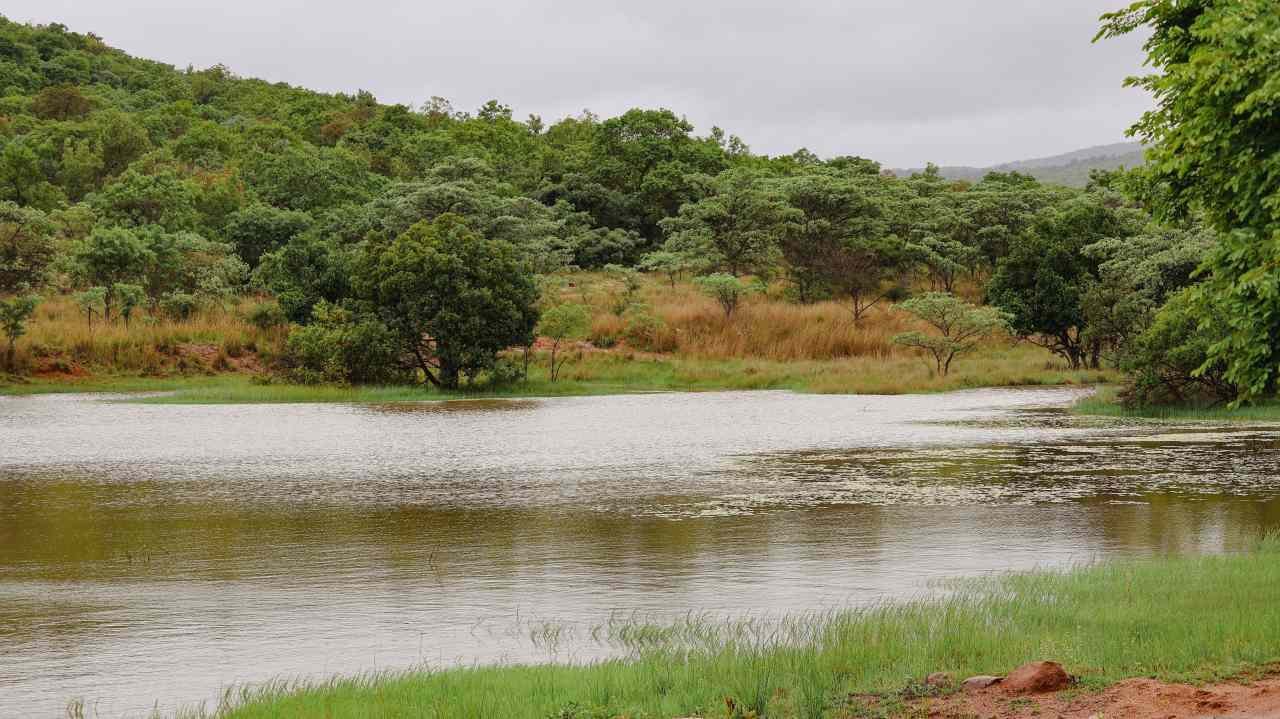
SOORWAL DAM SAWAI MADHOPUR RAJASTHAN
Best Time to Visit
This is the factor that makes or breaks the trip, because Soorwal Dam is seasonal and looks completely different depending on the month.
November–February: Peak season. Full reservoir, migratory birds present — painted storks, demoiselle cranes, bar-headed geese. This is the window worth planning your trip around.
March: Still decent, water levels starting to drop, some migratory species beginning to leave.
April–June: Skip it, or go expecting a dry, cracked lakebed — this is peak Rajasthan summer heat with little water left.
July–October: Monsoon refills the dam, but the access road can turn to mud and become genuinely difficult. Call ahead to confirm the track is passable if you’re visiting in this window.
Is It Safe? Honest Advice by Traveler Type
Some reviews raise real safety concerns about this route, and they’re worth taking seriously rather than glossing over. The road is genuinely isolated for stretches, mobile signal is patchy, and there’s little passing traffic.
Solo female travelers: Go with a driver recommended by your hotel, visit strictly in daylight, and tell your hotel your expected return time. Skip an unknown, unvetted taxi for this one.
Couples: Generally comfortable with a hotel-arranged daytime driver — several travelers describe it as a quiet, romantic detour precisely because it’s undeveloped.
Families with kids: Fine, but there are zero facilities on-site — no restroom, no shop. Pack water and snacks.
Foreign tourists: This is working countryside, not a signposted tourist site — a driver who understands both the road and local context (a herd of goats blocking the track is normal, not an emergency) makes the visit smoother.
Elderly travelers: The uneven, sometimes muddy shoreline is worth planning for — closed, sturdy shoes are essential.
The short version: safe for the large majority of visitors with a daytime, trusted driver. Not a solo, wing-it destination.
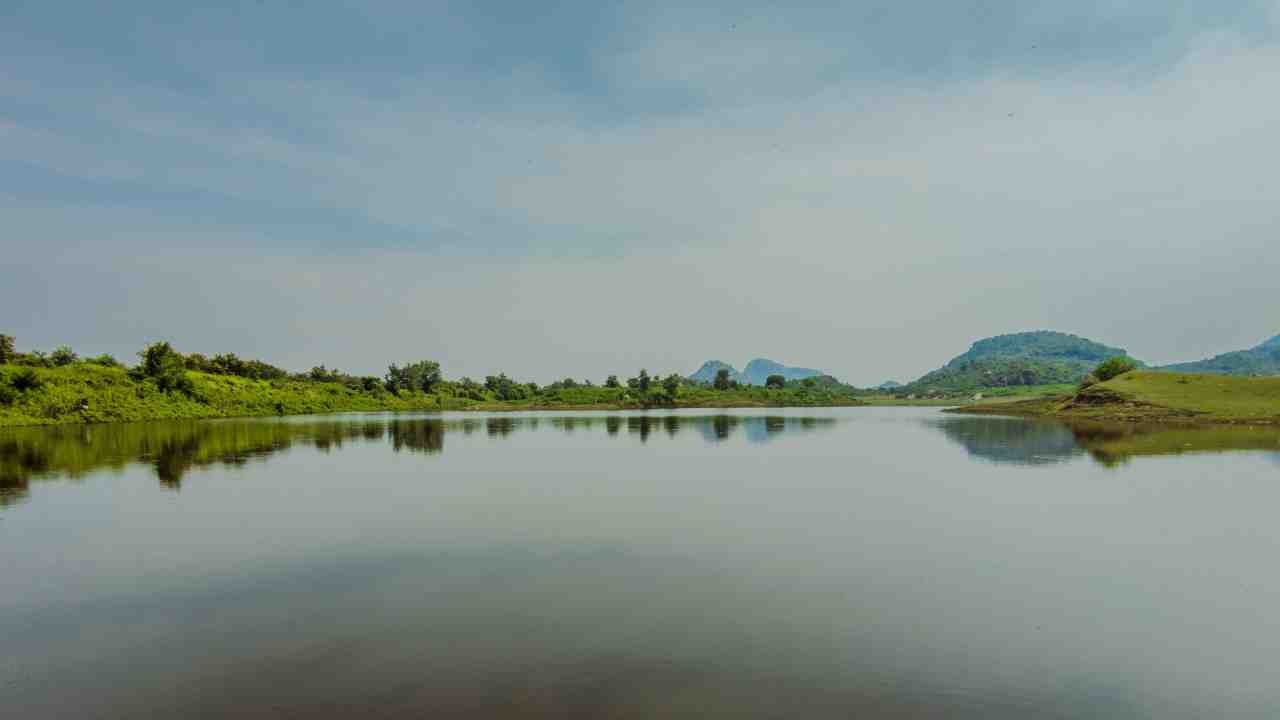
SOORWAL DAM RANTHAMBORE TIGER RESERVE
What You'll See — Birdlife and Landscape
In peak season, expect large numbers of birds working the shallows: painted storks, spoonbills, demoiselle cranes, bar-headed geese, and several kingfisher and heron species. Some birders have reported Indian skimmer sightings here too — a genuinely uncommon species in most of India, which is a big draw for serious birdwatchers.
For non-birders, the appeal is the quiet: open water framed by dry deciduous forest and farmland, without the crowds you’ll find at the park’s main lakes like Padam Talao. Sunrise light with birds lifting off the water is the classic shot photographers come here for.
Deer or, occasionally, a leopard have been spotted near the water’s edge during the driest months — a genuine possibility, not something to expect. Tigers are not part of the picture here; this sits outside tiger habitat zones.
Common Mistakes to Avoid
Going in April or May expecting water — you’ll find a dry lakebed and nothing to photograph.
Driving a low-clearance sedan on the final stretch — it bottoms out easily on the kutcha track after rain.
Skipping binoculars — without them, distant birds are just specks on the water.
Visiting near dusk — both the light and the isolated road get worse as the sun drops.
Assuming you can book a formal ticket in advance — there isn’t one; the only thing to arrange ahead is transport.
Soorwal Dam vs. Other Ranthambore Water Bodies
| Feature | Soorwal Dam | Padam Talao | Mansarovar Dam |
|---|---|---|---|
| Location | Outside park, ~10–12 km from Sawai Madhopur | Inside core park zones | Outside park, ~15–20 km from Sawai Madhopur |
| Entry Fee | Free | Requires park safari permit | Free |
| Crowd Level | Low, quiet | High — main safari route | Very low |
| Best For | Birdwatching, quiet photography | Tiger and general wildlife sightings | Birdwatching, fishing, light trekking |
| Access | Safari-free, self-drive or taxi | Requires booked Ranthambore Jeep Safari or Ranthambore Canter Safari | Self-drive or taxi |
| Road Condition | Rough final stretch | Well-maintained park tracks | Rough, similarly isolated |
Suggested Itinerary
Photography-focused half-day: Arrive by 7 AM for the best light, spend 1–2 hours on-site, head back before the heat builds.
Family day trip: Morning at Soorwal Dam, afternoon at Ranthambore Fort — different pace, real facilities.
Full Ranthambore day: Sunrise at Soorwal Dam, followed by a booked Ranthambore Jeep Safari or afternoon Ranthambore Canter Safari — check Ranthambore Safari Price in advance since permits are limited per shift.
Heritage-focused day: Pair the dam with Ranthambore Fort and the Raj Bagh Ruins for nature plus history in one loop.
Realistically, budget 1 to 2 hours on-site — it rewards a quiet morning, not a full day.
Nearby Attractions
Ranthambore Fort: A short drive back toward the park; pairs well as an afternoon stop after a morning at the dam.
Padam Talao and Jogi Mahal: The park’s main lake, worth seeing for contrast against Soorwal’s undeveloped quiet.
Raj Bagh Ruins: Old palace ruins between Padam Talao and Raj Bagh Talao, a natural add-on for a heritage-focused day.
Kachida Valley: A second wildlife-adjacent stop, particularly rewarding in summer when animals gather at valley waterholes.
Mansarovar Dam: Another free, seasonal birdwatching dam roughly 15–20 km away — worth combining if birding is your main interest and you want a second, less-visited spot in the same trip.
Travel Tips
Wear closed, sturdy shoes — the shoreline is uneven and can be muddy.
Bring your own water; there are no shops on-site.
Carry binoculars or a zoom lens (300mm+ rewards photographers well here).
Download offline maps before leaving your hotel’s Wi-Fi — signal drops on the final stretch.
Move slowly and keep noise down near the shoreline; sudden movement scatters the birds before you get the shot.
Lorem ipsum dolor sit amet, consectetur adipiscing elit. Ut elit tellus, luctus nec ullamcorper mattis, pulvinar dapibus leo.
FAQs
Is a Soorwal Dam tour in Ranthambore worth it? Yes, if you visit between November and February and enjoy quiet birdwatching over crowded safari routes. It’s not worth it in peak summer, when the dam runs dry.
What is the Soorwal Dam Ranthambore distance from Sawai Madhopur? Roughly 10–12 km, though allow 30–40 minutes of drive time due to the rough final stretch, not just the distance on paper.
What are the Soorwal Dam Ranthambore timings? Open daylight hours, roughly 6 AM to 8 PM, with 7–9 AM the best window for birds and light.
What is the Soorwal Lake Ranthambore price for entry? Free. There’s no ticket or gate — you only pay for transport, or a guide fee if you book a guided excursion.
Do I need Soorwal Lake Ranthambore booking in advance? No booking is required for a DIY visit. If you want a guided excursion with bird identification, some local operators offer bookable tours.
Can I see tigers at Soorwal Dam? No — this sits outside tiger habitat zones. Go for the birdlife and scenery, not tiger sightings.
Is it safe for solo travelers? It can be, with a trusted daytime driver and a plan shared with your hotel. It’s not recommended to visit alone with an unknown driver or near dusk.
A Soorwal Dam tour in Ranthambore is one of the few genuinely free, quiet mornings you can build into a trip that otherwise revolves around booked safari slots and crowded jeep tracks. Time it right — winter mornings, a trusted driver, binoculars in hand — and it’s a strong addition to your itinerary. Get the season or the road conditions wrong, and it’s a long, bumpy drive to a dry lakebed.
Ready to build this into a complete Ranthambore trip? Explore our Ranthambore Tour Packages for a customized itinerary that pairs Soorwal Dam with a booked Ranthambore Safari, or contact us directly to plan a full itinerary around your travel dates, group size, and interests — whether that’s photography, family travel, or a honeymoon trip.