
Birding in Ranthambore
- Home
- Birding in Ranthambore
Birding in Ranthambore
Birding in Ranthambore: Bird Watching - Ranthambore National Park
Most people book Ranthambore for tigers, and fair enough — it’s one of the best places on earth to see one in the wild. But birding in Ranthambore is a different experience entirely. Hand a pair of binoculars to that same visitor and stand them beside Padam Talao lake for twenty minutes, and the trip changes shape completely. Ranthambore is home to over 300 bird species, resident and migratory, and on a good winter morning you can watch a painted stork wade past a basking mugger crocodile while a crested serpent eagle circles overhead.
This guide skips the sales pitch and gets straight to what you actually need: when to go, where to stand, what you’ll see, and how to plan around it.
Key Takeaways
Ranthambore hosts 300+ bird species, combining resident forest birds with winter migratory waterfowl.
November to March is the best birding in Ranthambore — migratory and resident species overlap, and the lakes are full.
Zones 3, 4, and 6 are the strongest inside-park choices for birders; Soorwal Lake is the best outside-park option and needs no permit.
Ask for a naturalist or birding-specialist guide rather than a standard tiger-tracking guide — it changes what you actually see.
Combine one inside-park safari with one relaxed outside-park morning for the fullest picture in a short trip.
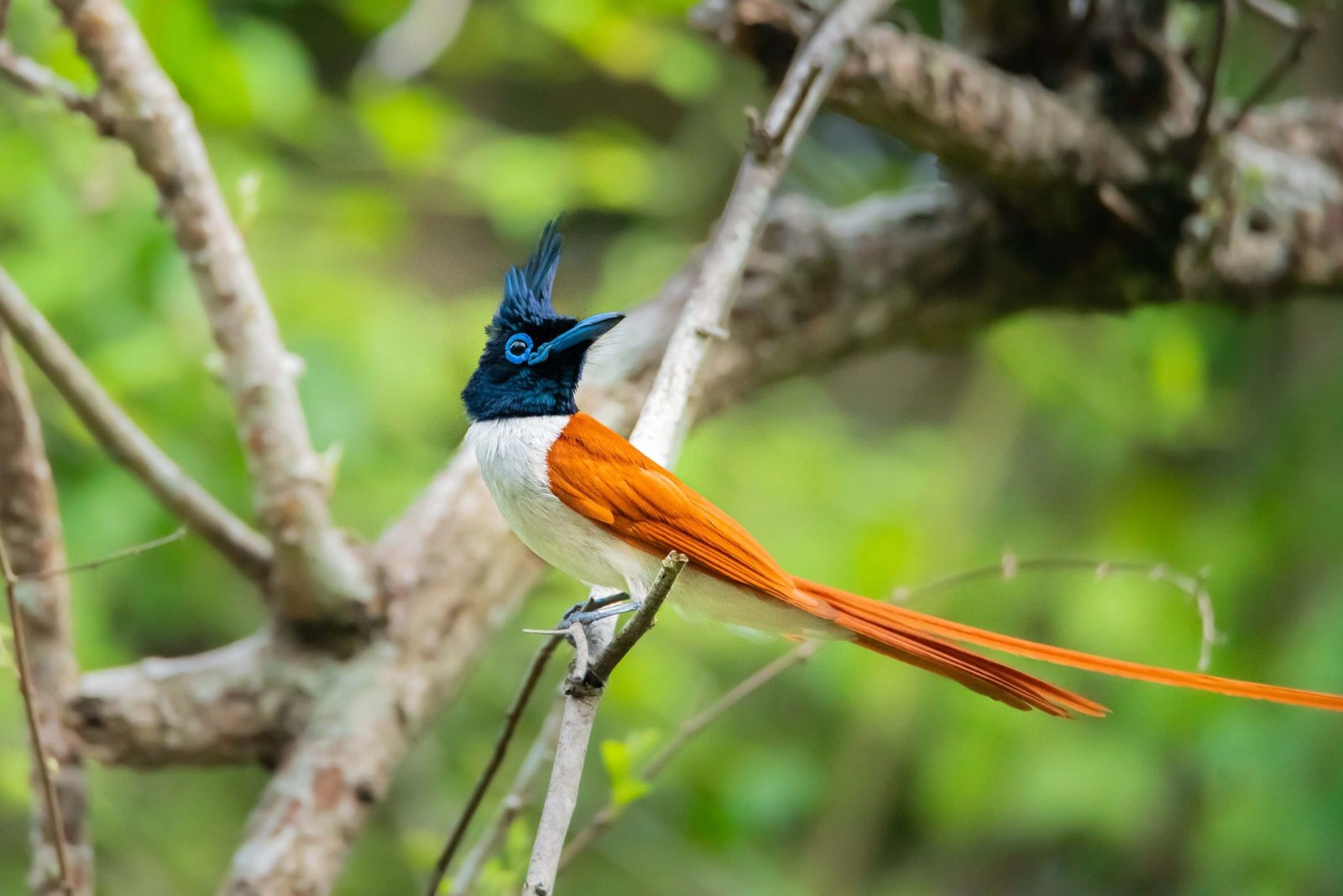
Indian Paradise Flycatcher in Ranthambore National Park
Why Ranthambore Is a Birding Hotspot
The short version: dry deciduous forest meets open water, and that combination is rare. Ranthambore’s landscape is dotted with three major lakes — Padam Talao, Malik Talao, and Raj Bagh — sitting inside a forest of dhok trees and old banyan groves, with the ruins of Ranthambore Fort rising above it all.
That mix pulls in two very different bird populations at once. Forest-dwelling residents nest in the tree cover year-round, while migratory waterfowl arrive every winter to feed on the lakes. Few tiger reserves in India offer both habitats within the same safari zone.
There’s also a history angle most guides miss entirely. The fort’s crumbling chhatris and old cenotaphs make excellent raptor perches, so if you’re the kind of traveler who wants a bit of Rajasthan’s history alongside your wildlife, you’ll find owls and eagles perched on centuries-old stonework more often than you’d expect. If you’re combining a fort visit with a safari, keep your binoculars on you — you’re likely to see something interesting from the ramparts themselves.
Best Time for Birding in Ranthambore (Month-by-Month Calendar)
Ranthambore is birdable year-round, but the reserve genuinely transforms between seasons. Here is what you can anticipate, month by month:
| Months | What's Happening | Species Highlights |
|---|---|---|
| November – December | Migratory birds start arriving in large numbers. | Bar-headed goose, greylag goose, painted stork, ruddy shelduck. |
| January – February | Peak migratory season, lakes at their busiest. | Pintail ducks, Eurasian wigeon, common teal, osprey. |
| March | Migrants begin departing, resident raptors most active. | Crested serpent eagle, changeable hawk-eagle, Indian grey hornbill. |
| April – May | Water levels drop and birds concentrate around remaining pools — easier sightings despite the heat. | Painted spurfowl, grey francolin, paradise flycatcher. |
| June – September | Monsoon season; the park often closes for tiger safaris, but forest birding remains possible in patches. | Resident forest species, breeding activity for several raptors. |
If you only remember one thing, remember this: November to March is when you’ll find the best birding in Ranthambore, full stop. That’s when migratory and resident species overlap, temperatures are comfortable for early-morning outings, and the lakes are full enough to draw serious numbers of waterfowl.
Best Birding in Ranthambore
Ranthambore isn’t only about that heart-stopping moment when a tiger walks out of the grass. Tucked around its three big lakes — Padam Talao, Rajbagh Talao and Malik Talao — is one of the richest bird habitats in northern India, home to over 300 species. Walk along the fort road early in the morning and you’ll hear more than you see at first: parakeets screeching overhead, doves cooing from the dhok trees, a flycatcher calling somewhere close but invisible. Give it ten minutes and the park slowly reveals itself — painted spurfowl scratching through dry leaves, a crested serpent eagle circling on a thermal, kingfishers flashing blue over still water.
What makes this the best birding around isn’t just the number of species, it’s the variety of terrain packed into one reserve. Dense deciduous forest gives way to open grassland, then to marshy lake edges, and each zone pulls in a different set of birds. Winter, from November through March, is when the place really comes alive, with migratory flocks of storks, cranes and waterfowl joining the residents. If you’re chasing a proper checklist rather than a quick holiday snap, plan your safari timings around first light and late afternoon — that’s when the birds are actually moving, feeding and calling, not hiding from the midday heat.
Birding in Ranthambore Packages
Most people booking a trip here start by comparing “packages,” and honestly, the word covers a lot of different things. A basic birding package usually bundles your jeep or canter safari slots, a naturalist or guide who actually knows bird calls (not just tiger trivia), and stays at a property near the park gates. Some go further and include visits to spots outside the core zone — Kachida Valley for raptors, or the Jhalra region, which rarely makes it onto a standard tiger-safari itinerary but is superb for waders and smaller songbirds.
Before locking in any package, it’s worth asking a few pointed questions: how many safaris are actually included, are the zones fixed or flexible, and will the guide adjust the route based on what’s being sighted that week. A generic wildlife package sold as a “birding package” often isn’t built around birding at all — it’s a tiger safari with a bird checklist handed to you at the gate. The better operators build the day around lake visits at dawn, a midday break, and a second outing timed for the golden hour when herons and storks are most active near the water.
Best Bird Watching in Ranthambore
If you ask a dozen birders in Ranthambore where the best watching happens, most will point you toward the same handful of places, and for good reason. Rajbagh Talao alone can turn up painted storks, spoonbills, sarus cranes and greylag geese within a single visit during winter. Padam Talao, right below the fort, is where you’ll often catch cormorants drying their wings on dead tree stumps, alongside darters and the occasional osprey working the shallows. It’s the kind of spot where you stop talking and just watch for a while.
The fort itself deserves more credit than it usually gets. Walking the road up from Misradhara gate, birders have logged upward of sixty species in a single stroll — peafowl strutting across the path, langurs rustling the canopy, flycatchers darting between branches. It’s a slower, quieter kind of watching compared to a jeep safari, and it lets you actually stand still, which matters more than people expect. Bring binoculars you’re comfortable using one-handed, because half the good sightings last only a few seconds before the bird moves on.
Bird Watching in Ranthambore Packages
When a package is genuinely built for bird watching rather than repurposed from a tiger tour, you’ll notice the difference in the small details. Departure times shift earlier to catch dawn activity at the lakes. The vehicle route prioritizes water bodies and the fort approach over the interior zones where tiger sightings are more likely but bird activity is thinner. Some packages also throw in a short session at Amlidih along the Banas river, which is one of the few places nearby where river lapwings and the rarer Indian skimmer show up.
It’s worth checking whether the package caps group size, since a crowded canter isn’t ideal when you’re trying to spot something as understated as a nightjar tucked into leaf litter. Smaller vehicles, fewer people, and a guide willing to stop the jeep for five extra minutes on a good sighting — that’s the actual difference between an average package and one that respects what birding requires. Multi-day packages tend to work better than single-safari bookings too, simply because bird activity varies day to day with weather and water levels.
Private Birding Tour Ranthambore
Sharing a twenty-seater canter with strangers who are craning their necks for a tiger isn’t exactly ideal when your actual interest is a heron standing motionless in shallow water. That’s where a private tour earns its cost — the jeep, the driver, and the guide answer to nobody’s schedule but yours. If a cluster of demoiselle cranes at Rajbagh Talao holds your attention for half an hour, the vehicle simply waits. There’s no group vote on when to move, no majority pulling toward the next zone because someone heard tiger pugmarks were spotted there.
The bigger advantage shows up in how the day gets planned, not just how it’s spent. An experienced private guide checks what the park looked like that week before deciding the route — whether Malik Talao still has enough water to hold waterfowl, whether the open ground near Kachida Valley is pulling in coursers and larks, or whether the fort approach is worth reaching before the sun turns harsh and the birds go quiet. Shared safaris can’t bend this way; they follow a set loop regardless of conditions. Yes, a private gypsy costs noticeably more than a shared canter seat, but for anyone building a real species list or chasing photographs rather than a quick glimpse, that extra spend usually shows up in the results within the very first safari.
Birding Tour Ranthambore Price
Pricing for a birding tour here depends on a handful of variables that are worth understanding before you compare quotes. Safari vehicle type matters most — a shared canter seat costs noticeably less than a private gypsy, and prices shift again between weekday and weekend slots, plus whether you’re booking during peak winter season when demand for permits climbs. Entry fees, safari permits, guide charges and vehicle costs are usually itemized separately by operators, though some bundle everything into one quoted figure.
Multi-day tours generally bring the per-safari cost down slightly compared to booking single outings one at a time, since accommodation and guide fees get spread across the stay. It’s smart to ask upfront exactly what’s included — many quotes look cheaper on the surface but leave out park entry, camera fees, or transport to and from the gate. Comparing two prices without comparing what’s actually inside them is where most people end up disappointed, so get an itemized breakdown before deciding based on the number alone.
Lorem ipsum dolor sit amet, consectetur adipiscing elit. Ut elit tellus, luctus nec ullamcorper mattis, pulvinar dapibus leo.
Best Birding Tour Ranthambore
The tours that consistently get recommended by repeat visitors share a common thread: they’re run by naturalists who genuinely know their bird calls, not just the standard tiger-tracking script. A strong itinerary usually opens with an early lake circuit — Padam Talao and Rajbagh Talao back to back — before the sun gets too high, then shifts to the fort road or Kachida Valley later in the day when raptors are riding the thermals.
What separates a good tour from a forgettable one is pacing. The best guides don’t treat birding as a checklist to rush through; they’ll idle the vehicle by a promising tree line, point out a call before the bird is even visible, and explain the behavior you’re watching rather than just naming the species. Look for tours that mention specific habitats by name in their itinerary — grassland, wetland, deciduous cover — rather than a vague “wildlife safari” description, since that’s usually a sign the operator actually plans around birds instead of treating them as a bonus sighting.
Birding Tour Ranthambore Packages
Multi-day tour packages tend to suit birders better than a single quick safari, mostly because bird activity in Ranthambore shifts with weather, water levels and even the time of month. A three or four day package gives enough room to catch the lakes on a calm morning, try the fort walk on another day, and still have a buffer if one safari gets rained out or a zone closes on its scheduled weekly off day.
Look closely at how a package structures its safaris across zones. Zones 1 to 5 close during the monsoon months, so packages built around that period will route you through the remaining zones and outside areas like Kachida Valley instead. Good packages also build in a rest window around midday, since birds go quiet in the heat and there’s little point sitting in a jeep during that stretch. Stays near the park gates tend to work best logistically, cutting down travel time so you’re not losing golden-hour minutes stuck in transit.
Bird Watching - Ranthambore National Park
Say “Ranthambore” to most people and tigers come to mind first — fair enough, it’s one of India’s best places to see one in the wild. But spend even half a day near the lakes and the bird life takes over the conversation. Storks wading through shallow water, a serpent eagle perched motionless for twenty minutes, langurs alarm-calling that tip off where a leopard might be resting nearby. It’s a park that rewards patience in ways a quick tiger-spotting trip doesn’t always allow for.
Roughly 300 to 330 species have been recorded here across the year, with winter migrants boosting the numbers between November and March. What’s easy to miss on a first visit is how much can be seen without even entering the core zones — the fort road, the area around Jhalra, and the banks near Amlidih all turn up strong sightings without needing a safari permit at all. For anyone planning a trip primarily around birds, it’s worth building in time outside the jeep as much as inside it.
Top Bird Species to Spot in Ranthambore
Rather than a name-dump, here’s what to actually look for, grouped by type.
Raptors
| Species | Season | Where to Spot | Quick ID |
|---|---|---|---|
| Crested Serpent Eagle | Year-round | Forest edges, tree perches near lakes | Broad wings, distinctive high-pitched call |
| Changeable Hawk-Eagle | Year-round | Dense forest canopy | Crest visible when perched |
| Osprey | Winter | Over open water, diving for fish | White underside, hovers before diving |
| Indian Eagle-Owl | Year-round | Rocky outcrops, fort ruins | Large ear tufts, active at dusk |
Waterfowl
| Species | Season | Where to Spot | Quick ID |
|---|---|---|---|
| Painted Stork | Winter | Padam Talao, Raj Bagh | Pink-tinged wing feathers |
| Bar-headed Goose | Nov–Feb | Malik Talao | Two black bars across the head |
| Ruddy Shelduck | Nov–Feb | All three main lakes | Bright orange-brown body |
| Common Teal | Winter | Shallow lake edges | Small size, fast erratic flight |
Resident Forest Birds
| Species | Season | Where to Spot | Quick ID |
|---|---|---|---|
| Indian Paradise Flycatcher | Year-round (males more visible in breeding season) | Dense forest patches near Zones 3 and 4 | Long ribbon-like tail on males |
| Indian Grey Hornbill | Year-round | Fig trees, forest interior | Curved bill, undulating flight |
| Painted Spurfowl | Year-round, shyer | Rocky forest floor | Spotted plumage, ground-dwelling |
This isn’t an exhaustive list. It’s the set of species most visitors realistically see in a two- to three-day trip, organized so you know what to actually watch for instead of hoping something flies past.
Best Zones and Locations for Birding in Ranthambore
Ranthambore’s safari area is split into 10 numbered zones, and not all of them are equal for birding. Some are known for tiger density and offer less water frontage, so birders should think about zones differently than tiger spotters do.
Inside the park:
Zone 3 runs close to Padam Talao and Raj Bagh, making it one of the strongest zones for waterfowl and storks.
Zone 4 is also lake-adjacent and a reliable spot for raptors perched on the fort’s lower walls.
Zone 6 sees less vehicle traffic and is quieter for tiger sightings, but rewarding for forest residents like hornbills and flycatchers.
Zone allocation runs through the park’s booking system, and you can’t always choose freely. If birding is your priority, mention it when booking — some operators can request zones based on your interest instead of defaulting to tiger-focused ones. You can [compare all 10 safari zones here] to see which suits your trip best.
Outside the park:
Soorwal Lake, about 20 minutes from Ranthambore town, is one of the best-kept secrets for birders. No safari permit needed, no vehicle restrictions, and you can walk the perimeter at your own pace. Expect large numbers of migratory ducks and geese in winter.
Mansarovar Lake is smaller and quieter than Soorwal, good for a slower morning of birding without crowds.
Amli Deh is a lesser-known wetland patch that locals and naturalist guides often use for early-morning outings. It’s less consistent, but it occasionally turns up rarer sightings.
These outside-park spots don’t come with the same booking pressure as an inside-park safari, which makes them a great option if you want a relaxed, unhurried morning rather than a fixed three-hour safari slot.
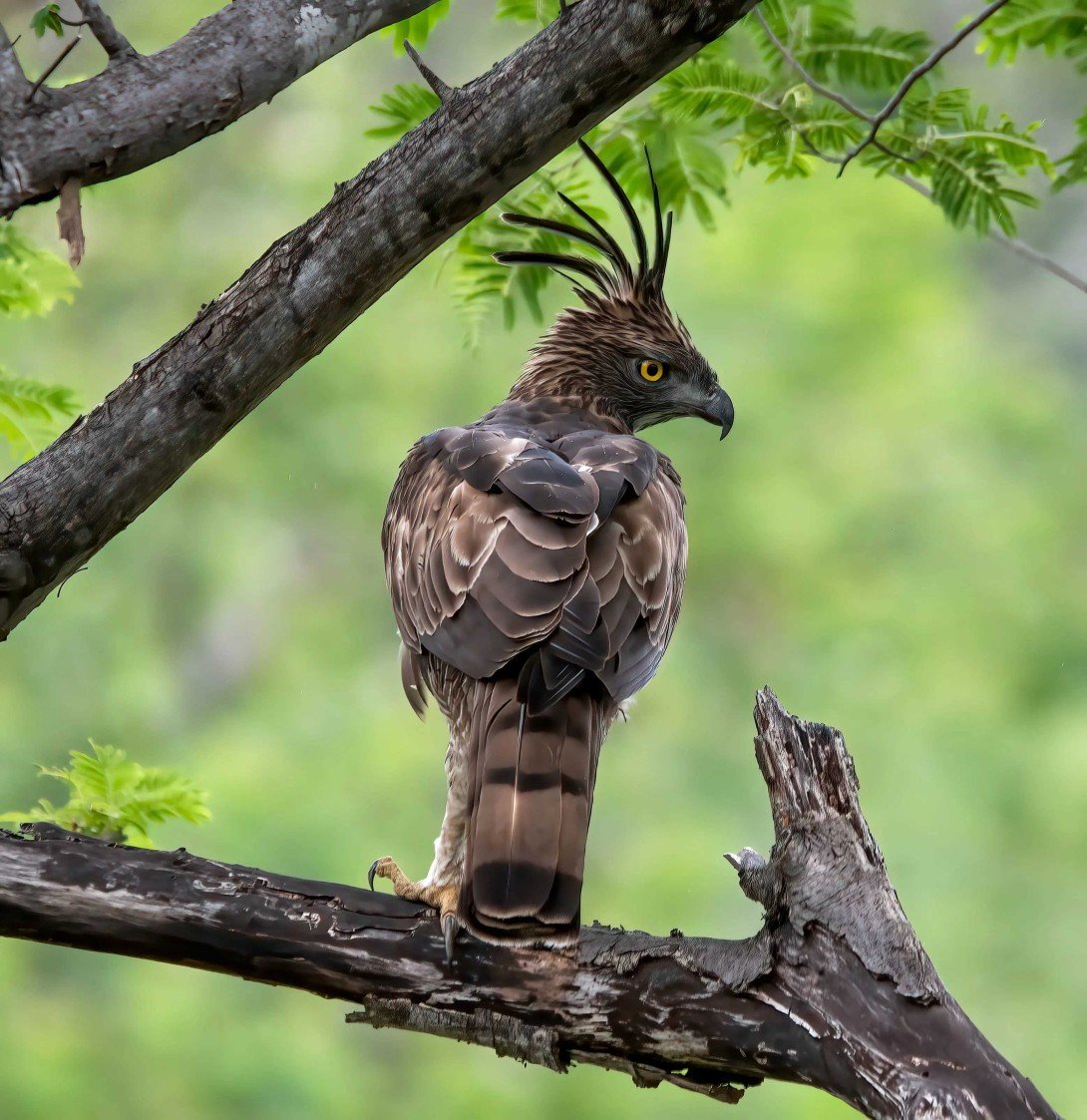
Changeable Hawk Eagle Ranthambore National Park
Inside-Park vs. Outside-Park Birding — Which Should You Choose?
Both have a real place in a trip, but they suit different priorities.
| Factor | Inside the Park | Outside the Park |
|---|---|---|
| Cost | Safari fee + zone permit, generally higher. | Free or minimal, no permit required. |
| Flexibility | Fixed timing, vehicle-bound. | Walk at your own pace, any time of day. |
| Species Variety | Higher — forest interior plus lake access. | Waterfowl-focused, less forest diversity. |
| Crowds | Shared jeep or canter, sometimes tiger-focused drivers. | Usually quiet, especially on weekday mornings. |
| Best For | First-time visitors wanting the full Ranthambore experience. | Serious birders wanting unhurried, close observation. |
If you have two or three days, the ideal combination is one inside-park safari for the forest species and fort backdrop, plus one relaxed outside-park morning at Soorwal Lake for unhurried waterfowl watching.
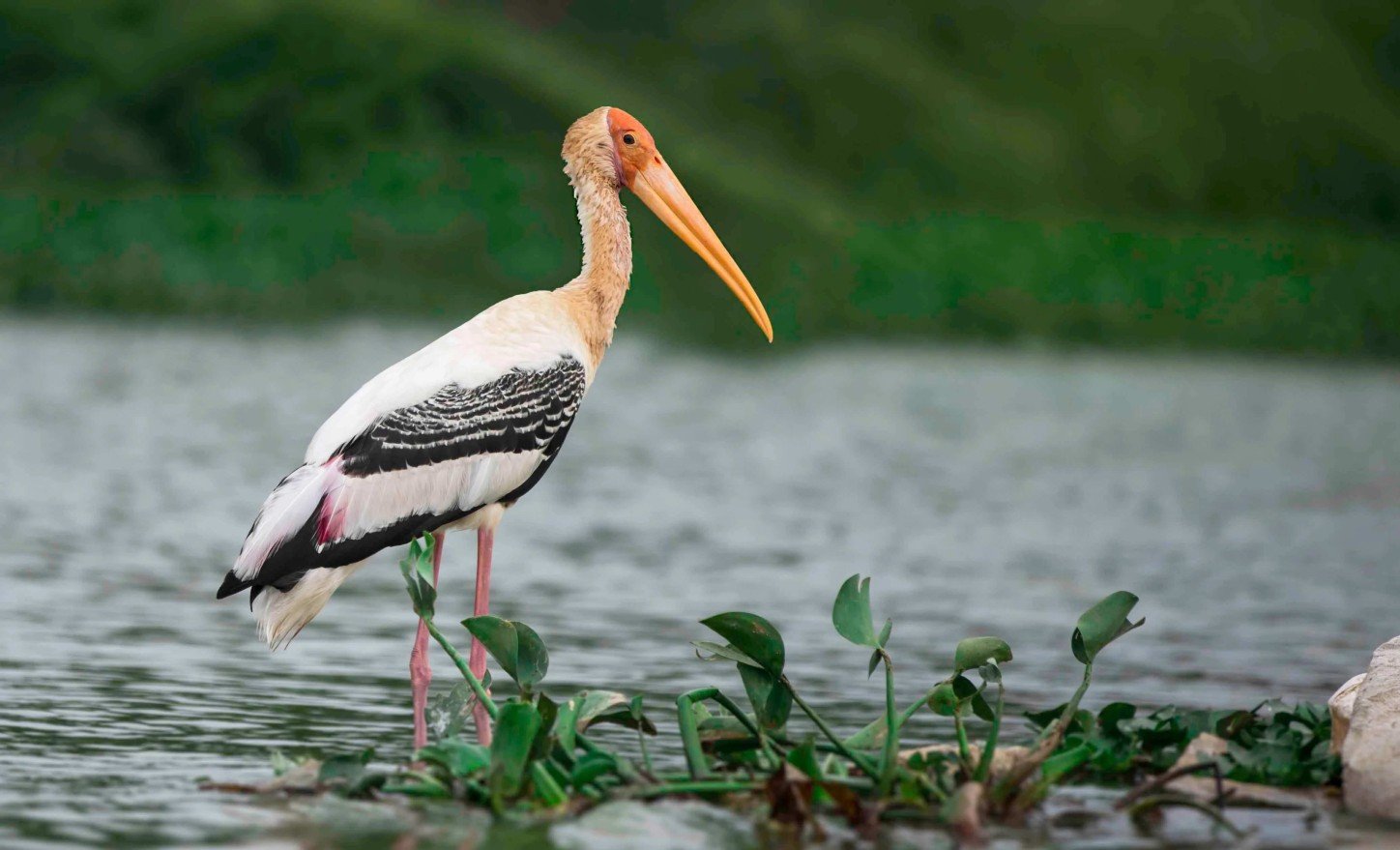
Painted Stork Feeding Ranthambore National Park
Birding Tours, Guides, and Permits
A standard Ranthambore safari guide is trained primarily for tiger tracking, which is a different skill from birding. If birding is your main interest, ask specifically for a naturalist or birding-specialist guide when booking. Many tour operators offer this on request, and it changes the entire experience, since these guides know call patterns and nesting spots that a general safari guide typically won’t point out.
Permits for inside-park zones need to be booked in advance through the [official reserve booking system], and zones fill up quickly in peak season between December and February. Book at least a few weeks ahead if you have a specific zone or guide preference. Outside-park spots like Soorwal Lake don’t require this level of advance planning, which makes them a useful backup if your preferred inside-park slot isn’t available.
[See current birding in Ranthambore packages →]
If you’d rather not manage zone selection and guide requests yourself, a dedicated birding in Ranthambore package handles this for you. It’s worth considering if birding is the primary reason for your trip rather than a side activity.
What to Pack for a Ranthambore Birding Trip
Binoculars: 8×42 or 10×42 gives you the right balance of magnification and stability for both forest and open-water viewing.
Camera gear: A 300mm+ telephoto lens makes a real difference if you’re serious about photography, since many species — raptors especially — won’t let you get close.
Clothing: Stick to neutral, muted colors like khaki, olive, and grey. Bright colors and white are both more visible to wildlife and, frankly, a giveaway that you’re a first-timer.
ID essentials: A basic printed or app-based field guide for Indian birds helps enormously if you’re not traveling with a specialist naturalist.
For families: Pack light. A compact pair of binoculars per person is easier for kids to manage than one shared pair being passed around.
Tips for Different Kinds of Birding Travelers
Photographers: Early morning light, just after sunrise, gives the best conditions for raptor photography. Be patient near lake edges — many of the best shots come from waiting quietly rather than moving between spots.
Families and students: Stick to inside-park lake zones, where sightings are frequent and guided explanations keep younger visitors engaged. Outside-park spots work well too, since kids can move around more freely than in a safari vehicle.
Honeymoon and luxury travelers: Several properties near the park offer private jeep safaris paired with a lakeside breakfast — a good way to combine birding with a slower, more personal experience. Browse [luxury resorts near Ranthambore] if this fits your trip.
History and culture enthusiasts: Pair a morning safari with an afternoon visit to [Ranthambore Fort and its history]. Keep your binoculars handy on the fort walk itself, since raptors and owls are commonly seen perched on the ruins.
International and first-time visitors: Don’t worry about identifying everything yourself. A good naturalist guide will point out and explain species as you go, so the learning curve is much shorter than trying to self-study beforehand.
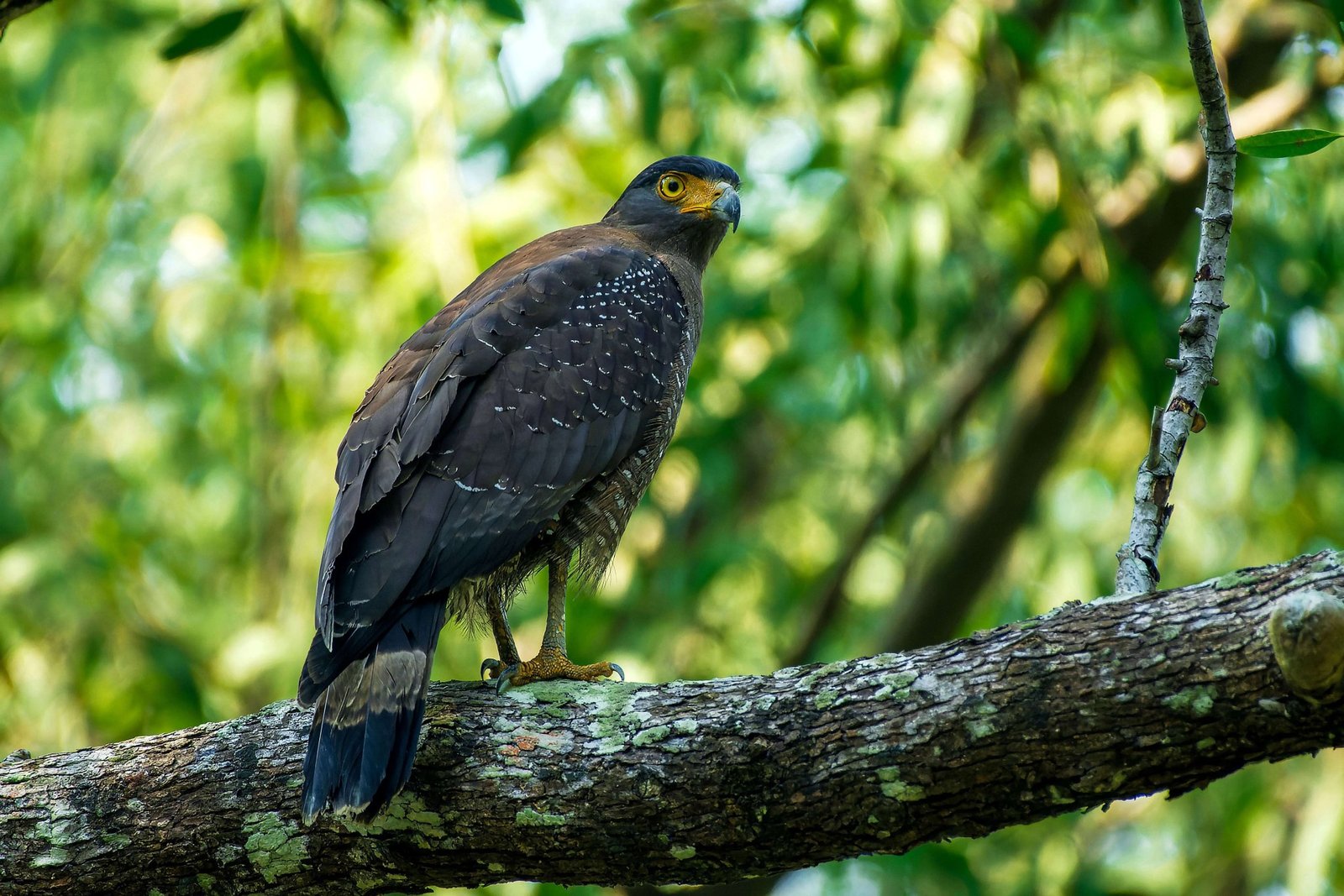
Crested Serpent Eagle Ranthambore National Park
Frequently Asked Questions
What is the best time for bird watching in Ranthambore? November through March is best, when migratory waterfowl overlap with active resident species and the lakes are full. December and January see the highest migratory numbers.
How many bird species are found in Ranthambore? Ranthambore is home to over 300 recorded bird species, ranging from resident forest birds like hornbills and flycatchers to winter migrants like bar-headed geese and painted storks.
Can I go birding outside the official safari zones? Yes. Spots like Soorwal Lake, Mansarovar Lake, and Amli Deh sit outside the park boundary, don’t require a safari permit, and let you walk at your own pace rather than staying in a vehicle.
Do I need a special permit for birding in Ranthambore? Only if you’re birding inside the park’s numbered safari zones, which require the same permit and booking process as a regular tiger safari. Outside-park lakes generally don’t require a permit.
Is Ranthambore good for beginner birdwatchers? Yes. The sheer density of birds around the lakes means even first-timers see a good variety without much effort, and a naturalist guide can handle identification so you can focus on simply watching.
Where can I go birds watching in Ranthambore outside the safari zones? Soorwal Lake is the top choice — it’s close to town, free to access, and doesn’t require a permit or vehicle. Mansarovar Lake and Amli Deh are quieter alternatives for the same kind of self-paced birding.
Birding in Ranthambore rewards anyone willing to slow down and look up. Whether you’re chasing a photograph of a crested serpent eagle mid-flight or just want a calm morning at Soorwal Lake away from the safari crowds, the reserve has enough variety across seasons and zones to suit a first-timer and a serious birder on the same trip.
The main decisions come down to three things: when you go, which zone or lake you choose, and whether you bring in a naturalist guide who actually knows birds rather than just tiger trails. Get those right, and the sightings take care of themselves.
Ready to Plan Your Trip?
[Browse our birding in Ranthambore packages] or get in touch and we’ll match you to the right zone, guide, and season for exactly what you want to see.