Kaziranga National Park
- Home
- Kaziranga National Park
Kaziranga National Park
Welcome To Kaziranga National Park: The Complete Travel Guide
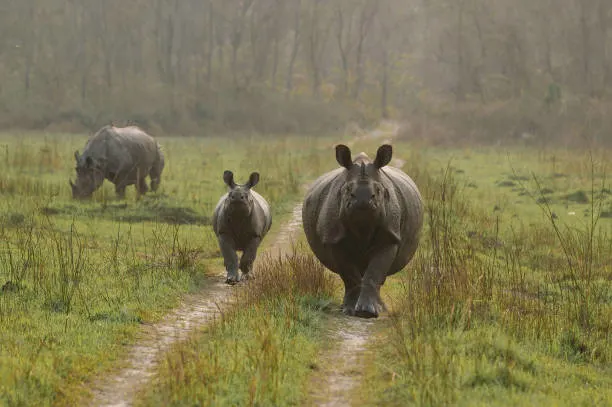
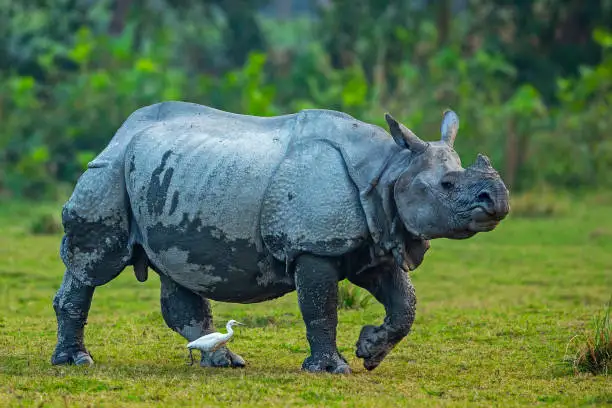
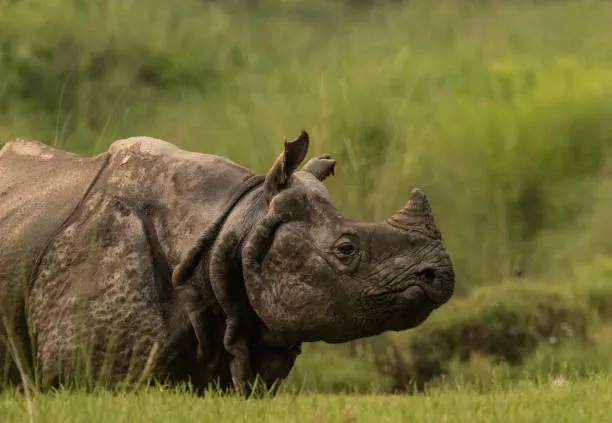
If you’ve ever seen a photo of a one-horned rhino standing in golden elephant grass with the Brahmaputra in the background, there’s a good chance it was taken in Kaziranga National Park. This stretch of grassland and forest in Assam holds roughly two-thirds of the world’s entire population of Indian rhinos — not a rare sighting here, but genuinely the main event.
What most people don’t realize until they start planning is how much goes into actually visiting well. Which safari zone should you book? Is a jeep safari better than an elephant safari? What does it actually cost once you add everything up? This guide walks through all of it, in plain language, based on how the park actually runs.
What Is Kaziranga National Park?
Kaziranga National Park sits across the Golaghat, Nagaon, Sonitpur, and Biswanath districts of Assam, in northeastern India. It covers around 430 square kilometers of core grassland, marsh, and forest, bordered by the Brahmaputra River to the north.
It was declared a UNESCO World Heritage Site in 1985 and became a Tiger Reserve in 2006. But its real claim to fame is the rhino — Kaziranga is, without exaggeration, the best place on earth to see one in the wild.
The park closes completely every year from May 1 to October 31 because of monsoon flooding, so if you’re planning a visit, your window runs November through April.
Online Safari Booking for Kaziranga National Park
Online Safari Booking for Kaziranga National Park
A few things catch first-time visitors off guard, so keep these in mind:
Permits are booked online in advance and are non-refundable once issued
Foreign visitors need to submit passport details during booking
Seats are allocated first-come, first-served, especially during peak months
Bookings should ideally be made weeks in advance if you’re traveling in January or February
How to Book a Kaziranga National Park Safari
The most reliable route is booking directly through the Assam Forest Department’s official portal, or through your resort if they offer a bundled package — most mid-range and luxury properties handle this for guests as part of check-in. If you’re booking independently, confirm your zone, date, and shift before payment, since changes afterward usually aren’t possible.
Kaziranga National Park Safari Booking: What You Need to Know
Kaziranga national park booking works a little differently depending on whether you’re going by jeep or elephant, so it helps to understand both before you commit.
Jeep Safari Booking
Jeep safaris run in fixed shifts — a morning window (roughly 8:00 to 10:00 AM) and an afternoon window (roughly 2:00 to 4:00 PM). Each jeep can carry up to six people, and because you cover far more ground than on an elephant, this is the better option if your main goal is maximizing total sightings.
Elephant Safari Booking
Elephant safaris only run in the morning, in two back-to-back slots. What you lose in ground covered, you gain in stealth — there’s no engine noise, and elephants move through tall grass in a way jeeps simply can’t. If you’re after that close, quiet encounter, this is worth the extra planning.
History of Kaziranga National Park
The story behind Kaziranga is more interesting than most people expect, and it starts almost by accident.
In 1904, Mary Curzon, wife of the then-Viceroy of India, visited the region specifically hoping to see a rhino. She didn’t see a single one. That failed sighting bothered her enough that she pushed her husband to act, and within a year, the Kaziranga Proposed Reserve Forest was created, covering about 232 square kilometers.
From there, the transformation has been steady:
1905: Established as a reserve forest
1950: Renamed Kaziranga Wildlife Sanctuary to move away from its earlier hunting-ground associations
1974: Formally declared a national park
1985: Recognized as a UNESCO World Heritage Site
2006: Declared a Tiger Reserve
That last point matters more than it might seem. Kaziranga isn’t just a rhino park — tiger numbers here have grown steadily enough that the region now has one of the highest densities of tigers anywhere in India, even though sightings are less predictable than rhino sightings because of the tall grass cover.
Flora and Fauna of Kaziranga National Park
The landscape itself does a lot of the work here. Four main vegetation types make up the park: tall elephant grass, marshland, tropical semi-evergreen forest, and mixed deciduous forest. That variety is exactly why the wildlife list is so long.
The Big Five of Kaziranga:
Indian one-horned rhinoceros — the headline act, and the one animal you’re almost guaranteed to see
Royal Bengal tiger — present in real numbers, but harder to spot because of the grass cover
Asian elephant — both wild herds and the domesticated elephants used for safaris
Wild water buffalo — Kaziranga holds one of the largest surviving populations anywhere
Eastern swamp deer — found here in numbers seen almost nowhere else
Beyond the big five, keep an eye out for hoolock gibbons (India’s only ape species), capped langurs, and sloth bears.
Biography of Kaziranga National Park: How the Rhino Came Back From the Brink
If Kaziranga had a biography, this section would be its central chapter. In the early 1900s, the Indian rhino was hunted to near-extinction across the region. Some estimates put the population in this specific area at under a couple hundred animals by the time protection efforts began.
A century of sustained anti-poaching work, habitat protection, and controlled grassland management has pushed that number past 2,600 rhinos today — a recovery that’s genuinely rare in conservation history. Most protected species stories are about slowing decline. This one is actually about reversal.
That recovery hasn’t been without controversy — Kaziranga’s anti-poaching approach has historically been aggressive, and it drew international scrutiny after a 2017 BBC documentary examined the human cost of the park’s protection strategy. It’s worth knowing this going in, not to alarm you, but because it’s part of an honest picture of how this recovery happened. Responsible visiting — staying quiet, staying in your vehicle, and following your guide’s lead — is a small way to be part of the right side of that story.
Best Time to Visit Kaziranga National Park
Since the park is only open November through April, your real decision is which month within that window suits you.
November–December: Landscape is lush and green right after the monsoon. Grass is tall, so sightings take a bit more patience, but the scenery is at its best.
January–February: Generally the best window overall. Forest staff carry out controlled grass burning during this period, which clears sightlines and makes rhino and buffalo sightings noticeably easier. This is also peak tourist season, so book well ahead.
March–April: Warmer, quieter, and animals cluster more predictably around remaining water sources as things dry out.
If you want one clear answer: February offers the best combination of visibility, weather, and wildlife activity.
Best Time to Visit Kaziranga National Park
Kaziranga National Park Ticket Price (2026 Estimates)
Pricing depends on your nationality, the zone you choose, and whether you’re taking a jeep or elephant safari. Treat the numbers below as a planning range rather than a fixed quote — always confirm current rates before booking, since forest departments revise fees periodically.
| Safari Type |
Indian Visitors (approx.) |
Foreign Visitors (approx.) |
Notes |
|---|---|---|---|
| Jeep Safari (Central/Bagori) | ₹1,500–4,000 per person | ₹7,700–8,600 per person | Includes permit, vehicle, and guide |
| Jeep Safari (Eastern/Burapahar) | Slightly higher | ₹8,600–9,700 per person | Zones further from Kohora often cost a bit more |
| Elephant Safari | Charged per person | Charged per person, higher than jeep | Two morning slots only |
Whatever quote you receive, make sure it already includes the entry permit, vehicle or mahout fee, and guide charge. If it doesn’t, ask what’s excluded before you pay.
Kaziranga National Park Tours and Resorts
Kaziranga National Park Tours and Resorts
If you’d rather not coordinate permits, transport, and accommodation separately, bundled Kaziranga national park tours are widely available and often include a safari, resort stay, and meals under what’s locally called a “jungle plan.”
Resorts Near Kaziranga National Park
Accommodation options split into three general tiers:
Budget: Government-run tourist lodges near Kohora — basic, functional, and a sensible choice if your budget is going mainly toward safaris
Mid-range: Private resorts around Kohora and Bagori, often bundling safaris and full board
Luxury: Boutique properties near tea estates, offering more privacy and sometimes naturalist-led experiences — a good fit if you’re travelling for a honeymoon or want a quieter base
Book well ahead if you’re visiting between November and February — this is peak season, and rooms near the main gates fill up fast.
Birding in Kaziranga National Park
If you’re a birder, don’t treat this as a side note — Kaziranga is genuinely one of India’s most underrated birding destinations, with over 480 recorded species. It’s recognized as an Important Bird Area by BirdLife International, and winter brings migratory species down from Central Asia, including the greater adjutant stork, various pelicans, and several duck Species that are difficult to locate in other regions of India.
If birding is your main reason for visiting, plan your time in the Eastern Range around Agaratoli — the wetlands there attract far more birdlife than the busier central zones.
A Realistic Kaziranga National Park Itinerary (2–3 Days)
Day 1: Arrive, settle in by afternoon, and use remaining daylight for a nature walk or a visit to the nearby Kaziranga National Orchid and Biodiversity Park.
Day 2: Morning jeep safari in the Central Range — book the earliest shift possible, since animal activity and light both drop off after 9 AM. Rest in the afternoon, then take an elephant safari or a second jeep shift in a different zone.
Day 3 (optional): Use this for the Eastern Range if birding matters to you, or Burapahar if you want a quieter, more forest-heavy final outing.
Pack in layers — mornings are colder than you’d expect even in an otherwise mild season, and open jeeps make it worse. Closed shoes and a dust cover for your camera gear are worth the extra bag space.
How to Reach Kaziranga National Park
By Air: The nearest airport is Jorhat’s Rowraiah Airport, about 97 km away, with regular connections through Kolkata and Guwahati. Guwahati’s LGBI Airport is the larger hub, roughly 220 km away, with far more flight options but a longer road transfer of 5–6 hours.
By Road: The majority of travelers either organize a vehicle through their accommodation or rent one independently from Guwahati or Jorhat. If you’re combining Kaziranga with other parts of Assam or Meghalaya, Guwahati is usually the more convenient entry point despite the extra drive time.
By Rail: The nearest major railheads are Furkating and Guwahati, both connected by road transfer to the park.
| Comparison: Kaziranga vs. Manas vs. Nameri | |||
| If you're building a wider Assam itinerary, here's how the three major parks stack up. | |||
| Feature | Kaziranga | Manas | Nameri |
|---|---|---|---|
| Best For | Rhino density, big mammal sightings | Tiger sightings, scenic remoteness | River rafting, birding, adventure |
| Crowd Level | Higher (peak season) | Lower, more remote | Lowest of the three |
| Ideal Trip Length | 2–3 days | 2 days | 1–2 days, often combined with rafting |
| Good Fit For | First-time safari visitors, families, photographers | Repeat visitors, tiger-focused trips | Adventure seekers, birders |
If you only have time for one park, Kaziranga wins on sheer wildlife density. Add Manas or Nameri if your schedule allows.
Kaziranga National Park Timings
Here’s the shift structure you’ll be working around:
Morning Jeep Safari: 8:00 AM – 10:00 AM
Afternoon Jeep Safari: 2:00 PM – 4:00 PM
Morning Elephant Safari (Slot 1): 5:30 – 6:30 AM
Morning Elephant Safari (Slot 2): 6:30 – 7:30 AM
Evening Nature Walk: 4:30 PM – 6:00 PM
River Rafting Slot: 9:00 AM – 11:30 AM
Night Safari (Restricted Zone): 7:00 PM – 8:30 PM
Arrive at your gate at least 30 minutes before your shift — queues at the popular Kohora gate can move slowly during peak season.
Kaziranga National Park Photos: Getting the Shot
If you’re visiting specifically for photography, a few practical notes will save you frustration:
The Central Range gives you the most reliable rhino shots because of open sightlines and high density
Burapahar offers more varied, atmospheric terrain if you want something beyond the standard grassland shot
Shoot early — the first hour of the morning shift consistently has the best light and the most active wildlife
A monopod or beanbag is more effective than a tripod when used in a moving jeep.
Frequently Asked Questions
What is Kaziranga National Park famous for? It’s best known as the world’s largest habitat for the Indian one-horned rhinoceros, home to roughly two-thirds of the global population, along with strong tiger, elephant, and wild buffalo numbers.
What is the best time to visit Kaziranga National Park? November through April, with January and February offering the clearest visibility due to controlled grass burning that clears sightlines across the park.
How much does a Kaziranga National Park safari cost? Jeep safaris typically range from around ₹1,500 for Indian visitors to roughly ₹7,700–9,700 for foreign visitors depending on the zone, usually including permit, vehicle, and guide fees. Always confirm current pricing before booking.
How do I book a Kaziranga National Park safari? Book online through the official Assam Forest Department portal or through your resort, ideally weeks in advance during peak season (November–February).
Can I visit Kaziranga National Park on a day trip from Guwahati? It’s possible but tiring — expect roughly 5–6 hours of travel each way on top of the safari itself. An overnight stay near the park is a much better experience.
Is Kaziranga National Park good for families with children? Yes. Unlike tiger-focused parks where sightings can take hours of waiting, rhino and elephant sightings here are common and don’t require the same patience, making it more manageable for younger kids.
What’s the difference between a jeep safari and an elephant safari in Kaziranga? Jeep safaris cover more ground and run in both morning and afternoon shifts. Elephant safaris are quieter, get closer to animals in tall grass, but only run in the early morning and cover less distance.
Kaziranga National Park earns its reputation honestly — there’s nowhere else on earth where you can reliably see this many rhinos in a single morning, set against a landscape that shifts from golden grassland to dense forest within a few kilometers. Whether you’re chasing a photograph, introducing your kids to wildlife, or building a quieter honeymoon escape, the park adapts to what you’re actually looking for, as long as you plan the zone, timing, and safari type around your priorities rather than just showing up.
Ready to Plan Your Trip?
Book your safari permit early, especially if you’re targeting the January–February window — seats fill fast during peak season. Check current availability, compare safari options, and lock in your Kaziranga National Park visit today before the best slots are gone.