
Chambal Crocodile Safari Ranthambore
- Home
- Chambal Crocodile Safari Ranthambore
Chambal Crocodile Safari Ranthambore
Chambal Crocodile Safari Ranthambore: The Complete Guide to Price, Timings, Booking and What Actually Happens Out There
You’ve done the tiger safari. Or you’re about to. And somewhere between booking your Ranthambore jeep slot and packing your camera bag, someone mentioned a river safari an hour away where you can watch gharials sunbathe on a sandbank like it’s the most normal thing in the world.
That’s the Chambal Crocodile Safari, and it deserves a lot more attention than it gets.
This guide walks through everything: what the Chambal safari Ranthambore ticket price actually looks like, how the Chambal crocodile safari Ranthambore timings work, how online booking really happens, and the kind of practical detail you only get from people who’ve actually made the trip — not just a brochure description recycled ten times across the internet.
What Exactly Is the Chambal Crocodile Safari?
Picture this: instead of a jeep bumping along dirt tracks hoping for a tiger sighting, you’re gliding quietly along a river on a small motorboat. The water is calm. The banks are lined with sand, scrub, and the occasional cluster of birds you didn’t know existed in India. And somewhere along the way, a gharial — a crocodile relative with an almost cartoonishly narrow snout — slides off a sandbank and disappears into the water.
That’s the National Chambal Gharial Sanctuary Palighat Ranthambore experience in a nutshell. It’s a boat-based wildlife safari, roughly 45 km from Ranthambore, run along a stretch of the Chambal River that happens to be one of the last strongholds for one of India’s most endangered reptiles.
The pace here is entirely distinct from that of the tiger safari. No engine roaring through the forest, no radio chatter about which zone had a sighting. Just water, birds, and the occasional gharial deciding whether you’re worth acknowledging.
Here’s who tends to get the most out of it:
Photographers and birders get long, uninterrupted stretches to work with — this river holds some genuinely rare species
Families get a lower-intensity, shorter outing than a full jeep safari
History and conservation-minded travellers get a real story behind the sanctuary, not just wildlife-spotting
Couples get one of the more peaceful, uncrowded experiences you’ll find near Ranthambore
If you’re wondering whether it’s worth carving out half a day for — yes, it usually is. But timing makes or breaks the experience, and that’s where most trip planning goes wrong.
Who Is This Safari Good For?
Families with kids: low physical demand, short duration, generally kid-friendly
Photographers and birders: arguably the best reason to add this to your itinerary
Couples and honeymoon travelers: quieter and more scenic than the jeep safari crowd
Students and educational groups: a strong conservation and ecology angle, easy to build a lesson around
Elderly or limited-mobility travelers: far gentler than bouncing around in a safari jeep, though the access road still calls for some patience
Luxury travelers: inquire about private boat reservations if you prefer not to share with a larger group.
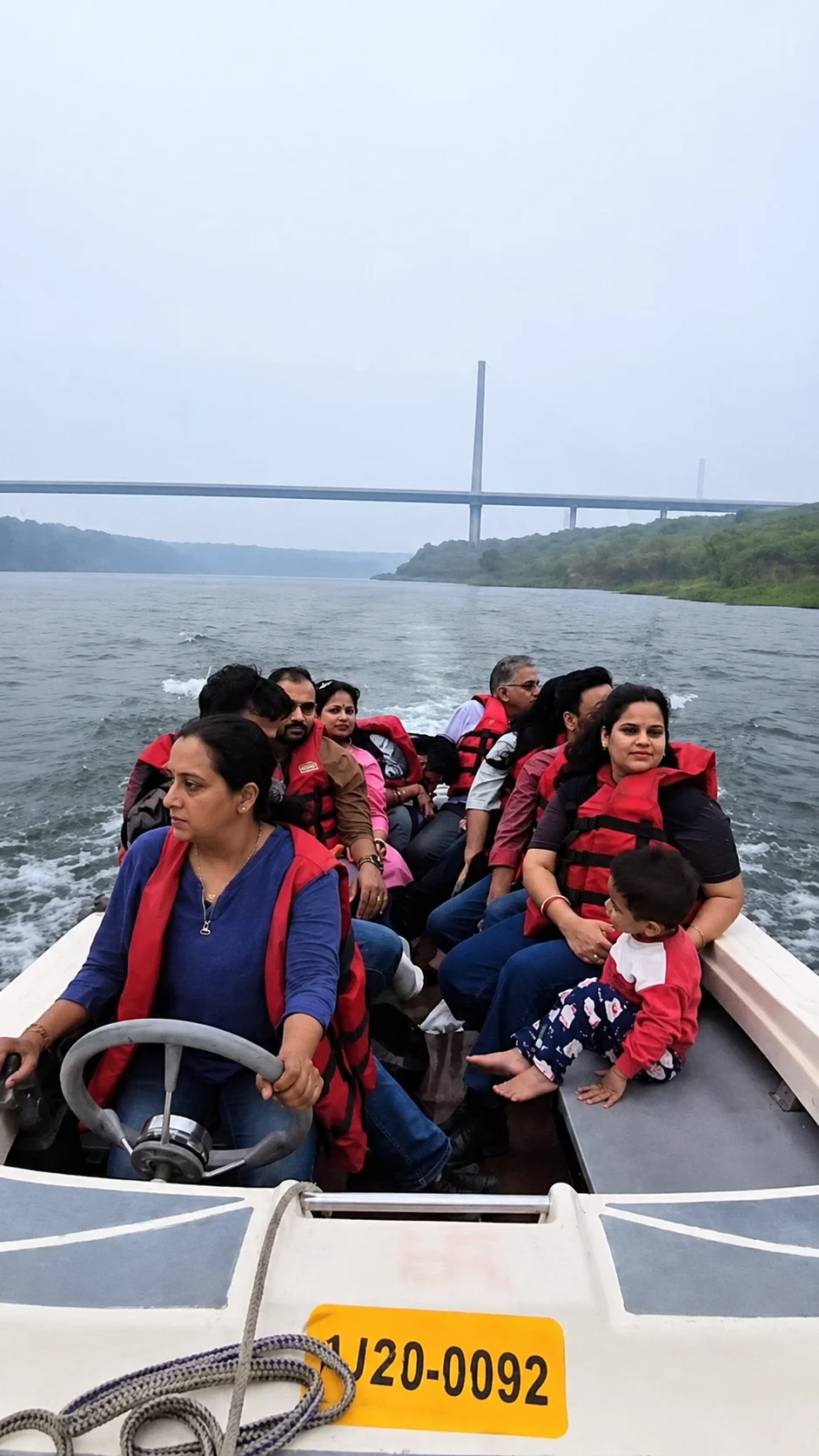
Chambal Crocodile Safari Ranthambore National Park
Gharial, Crocodile, or "Alligator"? Here's the Difference
Let’s clear this up first, because it comes up constantly. There are no alligators in the Chambal River. None. It’s a common slip in casual conversation, but alligators aren’t native to India at all.
What you’re actually looking at are two distinct species:
Gharials have a long, thin snout built almost entirely for catching fish. They’re shy, sensitive to noise, and about as far from “dangerous predator” as a crocodilian gets. Locals who’ve grown up along the river will often tell you they swam in these waters as kids without a second thought.
Marsh crocodiles (also called muggers) look closer to the crocodile you’re picturing — broader snout, more of a generalist hunter, and the more classically “crocodile” of the two.
Beyond the reptiles, keep an eye on the water itself. The Chambal is home to the rare Gangetic river dolphin, more than eight turtle species, otters, and — depending on the season — upwards of 300 species of resident and migratory birds. If you’re a birder, this alone might be reason enough to visit.
How Far Is It From Ranthambore, and How Do You Actually Get There?
Palighat sits about 45 km from Ranthambore National Park, which sounds like an easy hour’s drive. Sometimes it is. Sometimes it isn’t.
A few recent travellers have flagged that the direct route through Sawai Madhopur–Khandar has long unpaved stretches due to ongoing road construction — bumpy enough to add real time and discomfort to the trip. If your driver is open to it, ask about the route via Todra instead. It’s about 15 km longer on paper, but multiple travellers who’ve compared both say it’s smoother and, once you account for how slow the direct road gets, often no slower in total travel time.
Your practical options:
Private taxi or hired car — most flexible if road conditions change on the day
Tour operator transport — often bundled directly with your Chambal boat safari Ranthambore booking
Self-drive, if you’re comfortable navigating rural Rajasthan roads
If you’re already planning to see Ranthambore Fort or do a village visit, check whether either sits reasonably along the route — combining stops saves you an unnecessary second drive out.
Best Time to Visit — Chambal Crocodile Safari Ranthambore
The safari runs from October through June. It closes completely during monsoon season, from July to September, when the river rises and currents become unsafe for boat traffic. This detail is the most crucial aspect of planning. Oddly, most articles on this topic never mention it.
| Months | Weather | What You'll See Most |
|---|---|---|
| Oct – Feb | Cool, pleasant mornings | Peak bird activity, migratory species arrive |
| Mar – Jun | Hot, especially by midday | Gharials and crocodiles basking heavily on sandbanks |
| Jul – Sep | Monsoon | Safari closed — don't plan a trip around this window |
For the best sightings, aim for the first boat out in the morning or a late-afternoon slot. Midday heat between March and June pushes both you and the animals into the shade, so the light and the wildlife activity both suffer.
Chambal Safari vs. Ranthambore Tiger Safari — Which Should You Do?
Short answer: both, if your schedule allows it. They’re different enough that one shouldn’t replace the other.
| Chambal Boat Safari | Ranthambore Tiger Safari | |
|---|---|---|
| Duration | 45–55 minutes on water | 3–3.5 hours per shift |
| Permit | Booked directly through the operator | Requires a forest department permit tied to a safari zone |
| Physical Effort | Low — seated boat ride | Moderate — jeep or canter over rough terrain |
| Cost | Lower, roughly ₹1000 per person | Higher, varies by vehicle type and zone |
| Best For | Bird watchers, photographers, families wanting a calmer outing | Wildlife seekers chasing a tiger sighting |
| Tiger Odds | None — no tigers here | Variable, never guaranteed |
You’ll need to book them separately since they run independently. That said, a morning tiger safari followed by an afternoon Chambal boat ride is realistic if your timing works out. Most people, though, space them across two days simply because of the drive.
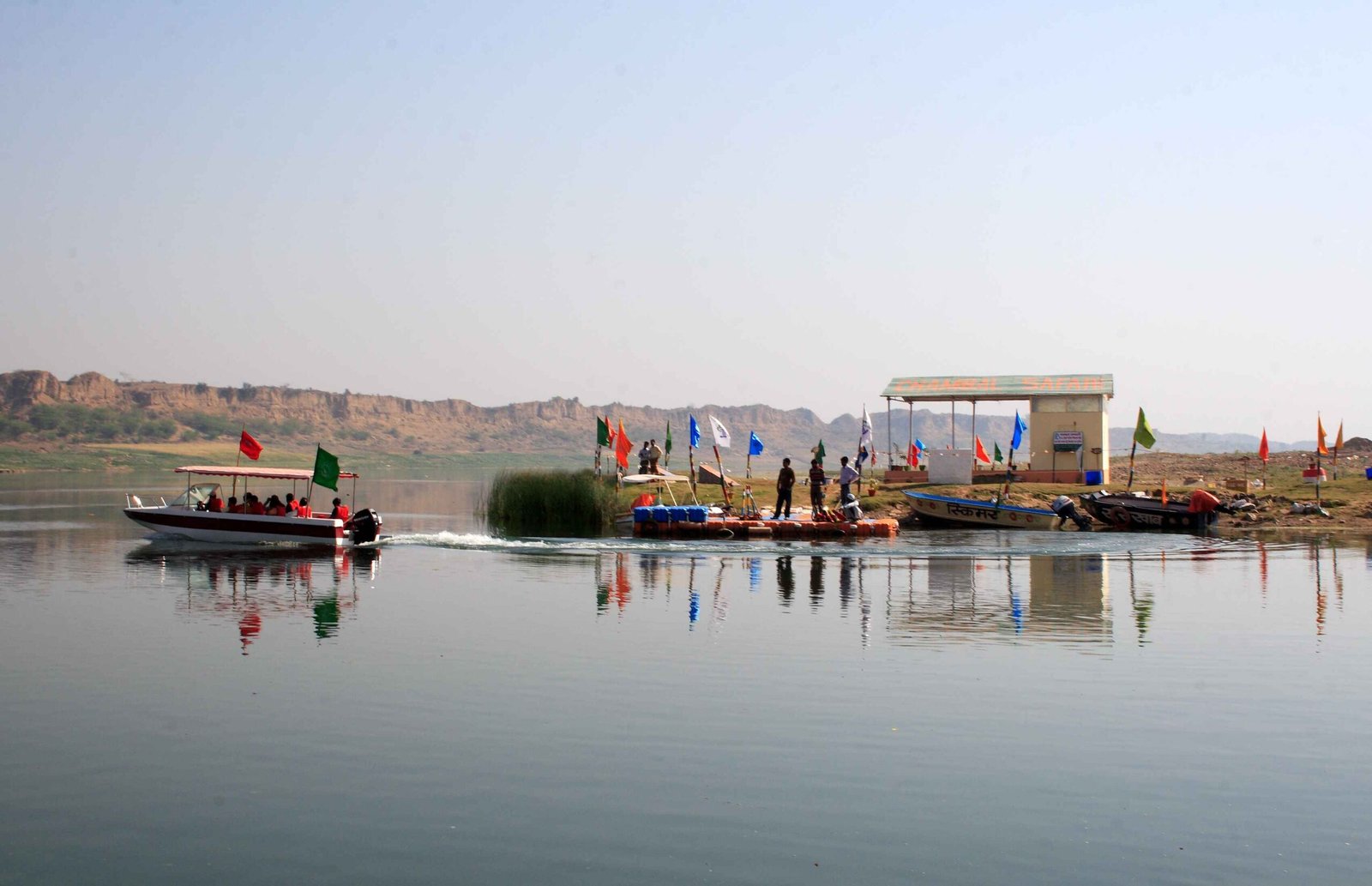
National Chambal Gharial Sanctuary Palighat Ranthambore
Best Time to Visit Chambal Crocodile Safari Ranthambore
Every website says October to March. Almost none explain why — and the “why” is what actually helps you plan.
Gharials and crocodiles are cold-blooded. In cooler months, they haul themselves onto the riverbank to soak up the sun, which is exactly when you’ll spot them easily. Once the weather heats up from March onward, the water stays warm enough on its own, and the animals have little reason to bask. Multiple visitors who went during peak summer heat reported watching crocodiles slip straight back into the water the moment the boat got close — a frustrating, if honest, outcome.
Time of day matters just as much as season. Early morning rides — generally the first slot around 8 am — tend to produce the best sightings, before boat traffic picks up and the noise sends everything back underwater.
One more thing worth knowing upfront: the safari typically closes during the monsoon months, so don’t build a rainy-season trip around it.
Chambal Crocodile Safari Ranthambore Ticket Price: What You'll Actually Pay
This is the part most tourism websites conveniently skip. Based on what recent travellers have reported paying, here’s a realistic range — though you should always confirm current rates directly with an operator before you travel, since prices shift with season and demand.
Ready to book? Reserve your Chambal safari slot here — advance booking is required, and weekend slots in peak season fill up fast.
| Booking Option | Approximate Price Range | What's Usually Included |
|---|---|---|
| Shared boat (direct booking, per person) | ₹1000–1200 | Boat ride only |
| Private boat (small group) | Higher, scales with group size | Boat ride, sometimes a guide |
| Tour operator package | ₹3,500–5,000+ per person | Transport, boat, sometimes guide |
| Guide fee | Often separate | Not always bundled in |
| Camera/photography fee | May apply | Check before booking |
| Hotel pickup/drop-off | Optional add-on | Convenience premium |
A crocodile safari Ranthambore price that sounds “all-inclusive” often still excludes the guide fee and food — worth asking about specifically before you pay, so there’s no surprise at the boat.
Ready to book? Reserve your Chambal safari slot here — advance booking is required, and weekend slots in peak season fill up fast.
How to Book Chambal Crocodile Safari Ranthambore (Step-by-Step)
Here’s the detail that trips up more travellers than anything else: booking your Ranthambore tiger safari does not include a seat on the Chambal boat safari. They’re run through completely separate systems, and a lot of people only realize this after arriving.
Palighat Chambal safari booking generally works one of two ways:
Directly at Palighat — you show up, provide names, gender, and ages for your group, and get assigned a boat and time slot based on what’s available that day
Through a tour operator — most now offer Chambal safari Ranthambore online booking through their websites, usually bundled with transport and sometimes a private boat
If a private Chambal boat safari Ranthambore experience matters to you — say, for photography, where you don’t want to share the boat with strangers or rush a shot — request it specifically. The default during busy periods is a shared boat.
Practical tip: if you’re traveling during peak winter weekends, try to confirm your slot a day ahead through your hotel or a local operator instead of showing up and hoping for space. Ranthambore Chambal safari booking online has gotten easier over the past couple of years, but availability during peak season still tightens up fast.
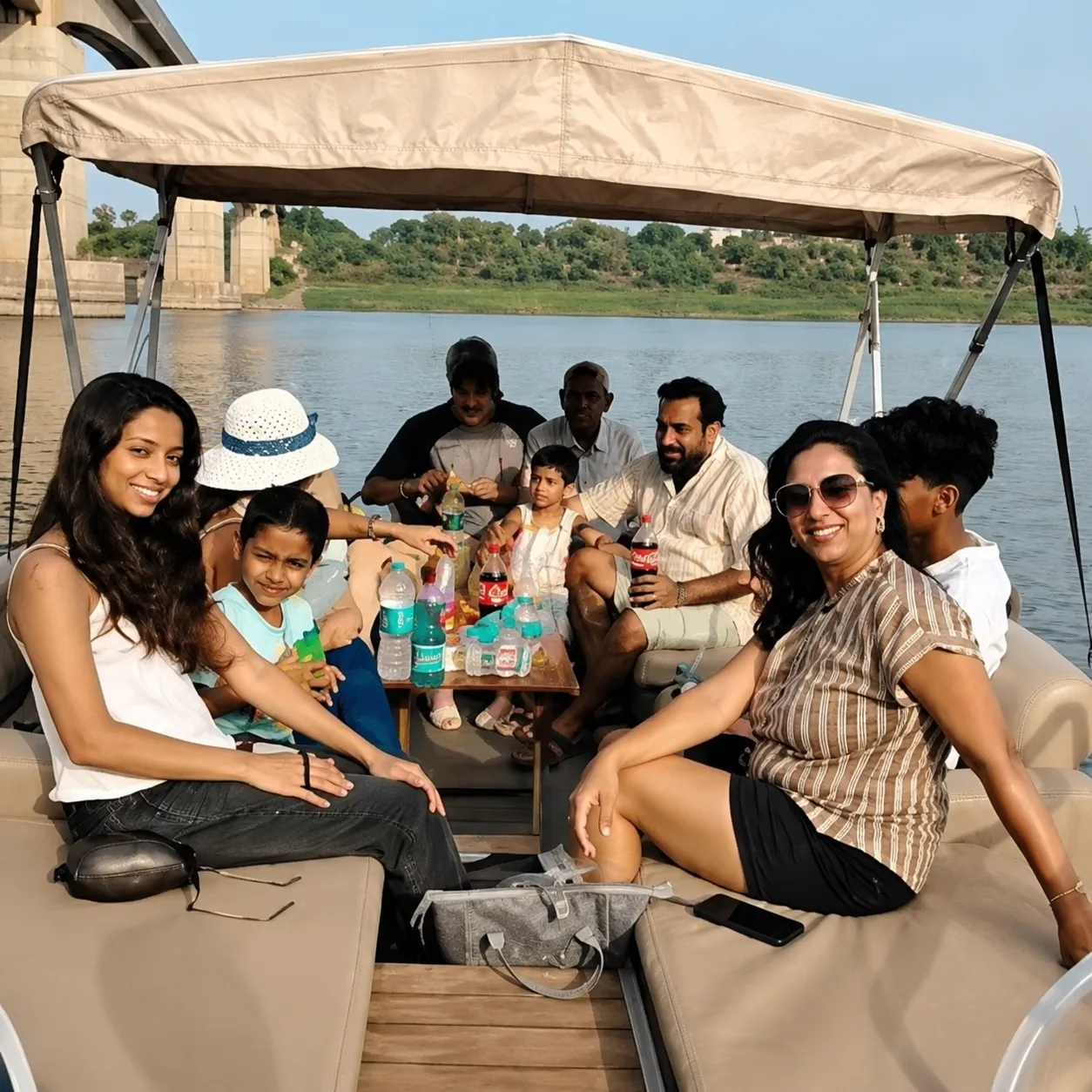
How to Book Chambal Crocodile Safari Ranthambore
Is It Safe? What Recent Travelers Are Actually Saying
Most reviews describe attentive, knowledgeable guides and a genuinely calm, well-run experience. But a few recent accounts are worth knowing about before you go, simply so you can ask the right questions.
Some travellers have reported boats being loaded beyond the number initially agreed, inconsistent life jacket availability — particularly properly fitted ones for children — and occasional mechanical hiccups mid-ride. None of this means avoid the safari. It means go in with a short mental checklist:
Confirm life jackets are available and properly sized for everyone, kids included, before boarding
Take a quick look at the boat’s condition and don’t hesitate to ask about seating capacity if it looks crowded
If something feels off, ask before you board — a reputable operator won’t mind the question
Treat it the way you’d treat any adventure activity anywhere in the world: a couple of minutes of pre-departure diligence, and you’re set.
What to Expect On the Day
The ride itself usually runs 45 minutes to about 1.5 hours, depending on the package. It’s unhurried by design — a slow float built for spotting wildlife, not an adrenaline ride.
At Palighat itself, infrastructure is basic. Expect simple food stalls serving tea, Maggi noodles, and pakoras — genuinely one of the small pleasures several travellers mention fondly — plus functional but modest washrooms. There’s no restaurant scene, so if you have specific dietary needs, eat beforehand or carry snacks.
If you want to extend the experience, RTDC-run tented camps near the river let you stay overnight, catch an evening ride, watch the sunset over the water, and take a second ride the next morning without the back-and-forth drive.
Combining the Chambal Safari With Your Ranthambore Trip
If you’re fitting this into a broader Ranthambore itinerary, here are two ways to structure it:
Same-day combo: Morning tiger safari inside Ranthambore National Park, then head to Palighat in the early afternoon for the Chambal boat ride before sunset. Works if your morning safari wraps up reasonably early.
Dedicated day: If your trip runs 4 nights/5 days or longer, giving Chambal its own half-day — ideally an early morning slot — avoids rushing either experience and gives you the best odds of good sightings.
For photographers or anyone who prefers an unhurried pace, pairing a private vehicle with a private boat minimizes waiting around and lets you linger wherever a sighting is worth the extra few minutes.
History of Ranthambore Chambal Crocodile Safari: The Conservation Story
There’s more to this place than wildlife-spotting, and it’s worth knowing if you’re the kind of traveller who likes context.
The National Chambal Gharial Sanctuary was established on 7 December 1979 — one of India’s earliest dedicated efforts to protect the gharial, a species whose wild population is genuinely smaller than that of tigers in many of the country’s reserves.
The protected stretch runs over 400 km along the river, spanning three states: Rajasthan, Madhya Pradesh, and Uttar Pradesh. It’s one of the largest riverine protected areas in the country, and strict fishing restrictions along its length have played a direct role in keeping the gharial from disappearing entirely.
For educational groups, history enthusiasts, or anyone traveling with kids who ask a lot of questions, a guide willing to talk through this history turns the trip from “we saw some crocodiles” into something with real substance.
Frequently Asked Questions
Is the Chambal safari included in my Ranthambore safari booking? No. Chambal safari booking Ranthambore is handled completely separately from the tiger safari. Booking one does not get you a seat on the other.
What is the Chambal crocodile safari Ranthambore ticket price? Shared boats typically run around ₹1000–1200 per person, while tour operator packages that include transport and a private boat can run ₹3,500–5,000+ per person. Rates shift by season, so confirm current pricing before you travel.
What are the Chambal crocodile safari Ranthambore timings? There are roughly 10 daily slots, starting around 8 am and running until about 5 pm. Early morning slots generally produce the best sightings.
Can I do online booking Chambal crocodile safari Ranthambore? Yes, most tour operators now offer online booking through their websites. Direct bookings at Palighat itself are usually arranged in person or by phone rather than online.
Can I still see gharials if I visit in summer? You can, but sightings are far less reliable. Hot weather keeps the animals in the water rather than basking on the banks, so aim for October through March if your dates are flexible.
Is it safe for kids and elderly travellers? Generally, yes — it’s a seated, low-intensity boat ride rather than anything physically demanding. Just confirm properly fitted life jackets are available for children before boarding.
How long does the boat ride actually take? Usually 45 minutes to 1.5 hours, depending on the package and how far the boat travels.
Is it worth visiting if I only have a short Ranthambore trip? If you can spare even half a day, yes. It’s a genuinely different experience from the jeep safari, with a strong chance at bird and gharial sightings that most short-stay tourists miss entirely.
The Chambal Crocodile Safari isn’t a footnote to your Ranthambore trip — it’s arguably one of the more rewarding things you can add to it, provided you plan around the right season, the right time of day, and a booking process that’s genuinely separate from your tiger safari. Get those three things right, and you’ll come away with sightings, photographs, and a conservation story that most Ranthambore visitors never even hear about.
Ready to Book Your Chambal Crocodile Safari?
Check current availability and ticket prices, or get in touch and we’ll help you fit the Chambal safari into your Ranthambore itinerary — timing, transport, and booking, sorted in one conversation.