Jawai Leopard Reserve
- Home
- Jawai Leopard Reserve
Jawai Leopard Reserve
Jawai Leopard Reserve: The Complete Guide to Safaris, Charges, Timings, and Everything Else You Need to Know
If someone tells you they saw a leopard walking past a village well while a woman filled her water pots twenty feet away, your first instinct is probably disbelief. But that’s an ordinary Tuesday at Jawai Leopard Reserve. This stretch of granite hills in Rajasthan’s Pali district isn’t like any other wildlife destination in India, and once you understand why, you’ll see why it’s climbed so fast on every serious wildlife traveler’s list.
This guide covers what Jawai actually is, its backstory, the best time to go, what a safari costs and how to book one, where to stay, and the practical details that usually get buried under sales pitches. Let’s get into it.
What Is Jawai Leopard Reserve?
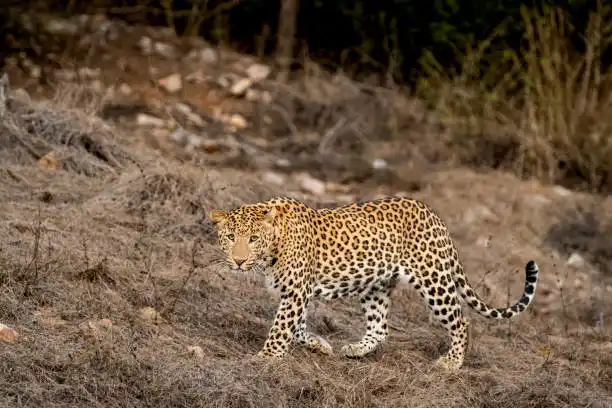
Jawai Leopard Reserve — officially the Jawai Bandh Leopard Conservation Reserve — sits near a small town called Bera in Pali district, Rajasthan. It was formally notified in February 2010 and spans roughly 20 square kilometers of granite outcrops, caves, dry scrubland, and the banks of the Jawai River.
What sets it apart is the terrain itself. There’s no thick forest canopy here for leopards to disappear into. Instead, you get bare rock formations that look almost lunar, riddled with caves the leopards use as dens. That lack of cover, paradoxically, is what makes Jawai one of the most reliable places in India to actually see a leopard rather than just hear about one from your naturalist.
Wildlife estimates put the leopard population here at around 50 to 60 individuals — one of the highest densities per square kilometer anywhere in the country.
How to Book Jawai Leopard Reserve Safari
How to Book Jawai Leopard Reserve Safari (Online Booking Guide)
Booking a jeep safari at Jawai typically follows this process:
Shortlist 2–3 registered local operators rather than booking the first WhatsApp number you find on Instagram.
Confirm your dates and preferred slot (morning or evening) — popular winter dates fill up fast, so book at least a couple of weeks ahead during peak season.
Ask for written confirmation of price, pickup point, and vehicle type before transferring any payment.
Pay a partial advance if possible, rather than the full amount upfront, unless the operator has verifiable reviews across multiple independent platforms.
Get your pickup details in writing — most operators pick you up directly from your resort or homestay.
Online safari booking for Jawai Leopard Reserve mostly happens through operator websites or direct messaging (WhatsApp/Instagram), since there isn’t a centralized government booking portal the way there is for tiger reserves like Ranthambore. That’s exactly why doing basic due diligence on the operator matters more here than at a more bureaucratically standardized park.
History of Jawai Leopard Reserve
The story of Jawai actually starts with water, not wildlife. The Jawai Dam was built between 1956 and 1957 across the Jawai River, primarily to support irrigation and drinking water needs in this arid part of Rajasthan. Nobody designed it with leopards in mind.
But the reservoir changed the local ecology permanently. It drew in migratory birds, supported vegetation along its banks, and created a stable water source in an otherwise dry landscape — conditions that, combined with the natural granite caves nearby, turned out to be ideal leopard habitat.
For decades, this coexistence between the local Rabari pastoral community and the resident leopards went largely unnoticed outside the region. That changed after the reserve’s formal notification in 2010, followed by international media coverage — BBC, The New York Times, and Vice all ran features on the “leopards living in harmony with humans” story between 2015 and 2022 — which is really what put Jawai on the global wildlife-tourism map.
If you’re researching the background or biography of Jawai Leopard Reserve for a school project, travel blog, or documentary reference, this human-wildlife relationship — not just the geography — is the real story worth understanding.
Best Time to Visit Jawai Leopard Reserve
November to February is your safest bet for a first visit. Temperatures are pleasant, safaris are comfortable rather than exhausting, and this is peak season for migratory birds at the reservoir — a real bonus if you’re traveling with a family or don’t want to deal with Rajasthan’s brutal summer heat.
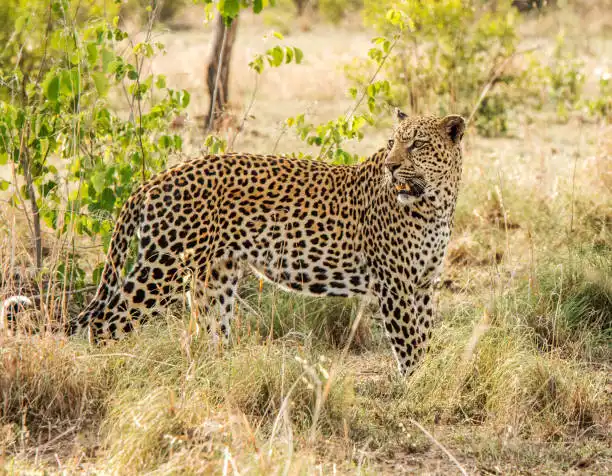
March to June gets extremely hot, often crossing 40°C by midday. Here’s the twist though: leopards spend more time near shaded rock crevices and water sources when it’s this warm, which can actually improve visibility during the early morning and late evening safari windows. Serious photographers sometimes prefer this season specifically for that reason, despite the discomfort.
July to September, the monsoon, turns the whole landscape green — a completely different look from the barren granite most photos show. Tourist numbers drop sharply, so if you want a quieter experience and don’t mind slightly lower sighting odds due to taller grass, this window works well.
Quick way to decide: families and first-timers should target winter. Photographers chasing dramatic shots should consider late summer. Anyone wanting solitude and green landscapes should look at monsoon.
Best Time to Visit Jawai Leopard Reserve
Flora and Fauna of Jawai Leopard Reserve
Jawai isn’t a lush jungle, and that’s precisely the point. The vegetation is dry deciduous and thorn scrub, dominated by ber (Ziziphus mauritiana), kikar (Vachellia nilotica), and hardy native grasses that survive the region’s long dry stretches.
The fauna list goes well beyond leopards:
Striped hyenas, often spotted at dusk
Jungle cats, shy but present in the scrub
Nilgai (blue bull), grazing in open patches
Mugger crocodiles, basking along the reservoir edges
Migratory birds at the dam during winter, including bar-headed geese and demoiselle cranes
This mix is exactly why Jawai appeals to more than just leopard-hunters with a camera. Birders, herpetology enthusiasts, and general nature lovers all find something here.
Jawai Leopard Reserve Safari Charges and Ticket Price
Unlike a national park with a fixed government entry fee, Jawai doesn’t operate on a single standardized ticket price. Safaris are arranged through registered local operators, and rates vary based on the season, vehicle type, and whether you’re joining a shared safari or booking a private one.
Based on current market rates from established local operators, here’s a realistic ballpark:
| Safari Type | Approx. Price Range (per booking/person) |
|---|---|
| Sunrise Leopard Safari (shared) | ₹3,500 – ₹5,500 |
| Sunset Leopard Safari (shared) | ₹3,500 – ₹5,500 |
| Sunrise + Sunset Combo | ₹7,500 – ₹11,000 |
| Private Full-Day Safari (up to 6 people) | ₹15,000 – ₹21,000 |
Treat these as indicative figures, not fixed quotes — prices shift with season, demand, and which operator you book through. Always confirm the current rate directly before paying anything.
Jawai Leopard Reserve Tour Packages
Jawai Leopard Reserve Tour Packages
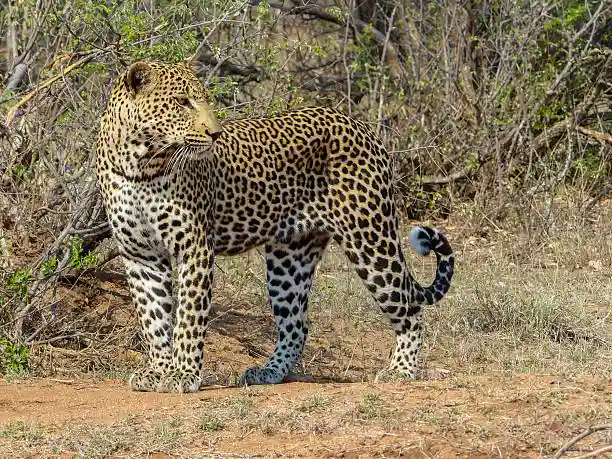
Many visitors prefer a bundled tour package over booking safaris and stays separately. A typical Jawai tour package includes:
Accommodation (ranging from homestay to luxury tented camp)
One or two safaris per day for the duration of your stay
Meals, often full-board at mid-range and luxury properties
Airport or railway station pickup/drop, usually from Udaipur or Jodhpur
A standard 2-night, 3-day package covering two safaris a day is the most common format, and it’s usually enough to get a solid sighting while also leaving time for birding at the dam or a village visit. If you’re short on time, a 1-night package with one morning and one evening safari is workable but leaves little room for anything beyond leopards.
Birding in Jawai Leopard Reserve
Birding in Jawai is genuinely underrated. The reservoir and wetlands around the dam pull in migratory species every winter, including bar-headed geese and demoiselle cranes, alongside a healthy population of resident water birds year-round.
You don’t need to be a dedicated birder to appreciate it — even travelers who came purely for leopards often say the dawn chorus at the reservoir was an unexpected highlight of the trip. If birding matters to you specifically, build in at least one dawn visit to the dam separate from your leopard safari slots.
| Jawai Leopard Reserve vs Other Indian Wildlife Reserves | |||
|---|---|---|---|
| Feature | Jawai Leopard Reserve | Ranthambore National Park | Sariska Tiger Reserve |
| Primary species | Leopard | Tiger | Tiger |
| Terrain | Open granite hills, minimal cover | Dense forest, lakes | Forest and hills |
| Sighting style | Visual, open terrain | Often distant, forest cover | Variable, forest cover |
| Booking system | Private operators, no central portal | Centralized government portal | Centralized government portal |
| Best for | Leopard-focused, photography, cultural experience | Classic tiger safari | Tiger safari, less crowded than Ranthambore |
How to Reach Jawai Leopard Reserve
Jawai has no airport or major railway station of its own, so you’ll route through a nearby city:
From Udaipur — around 2.5 to 3 hours by road; Udaipur has the closest airport with solid domestic flight connectivity.
From Jodhpur — also roughly 2.5 to 3 hours by road, with both airport and railway options.
From Ahmedabad — about 4 to 5 hours by road, a reasonable choice if you’re combining this trip with Gujarat.
By train — Falna railway station is the most convenient rail stop, with a shorter onward drive into Bera.
One detail worth knowing: the Delhi–Mumbai railway line actually cuts directly through part of the reserve. It’s a genuine conservation concern too — wildlife casualties from train collisions are a documented issue here, so don’t be surprised if your guide points out track sections during the safari.
Resorts Near Jawai Leopard Reserve
Where you stay affects your morning safari more than people expect — a 20-minute extra drive to reach the start point eats straight into your pre-dawn window. Accommodation near Jawai breaks into three rough tiers:
Budget homestays in and around Bera village — basic, but closest to the action and ideal for solo travelers or students.
Mid-range boutique camps offering private rooms and better food while still staying close to the reserve — a solid fit for couples and small families.
Luxury tented camps with high-end furnishings, curated dining, and personalized safari coordination — the natural choice for honeymooners and travellers wanting a fuller experience rather than just an efficient wildlife tour.
Book resorts well in advance for the December–February window specifically, since this is when both Indian and international tourist demand peaks together.
Jawai Leopard Reserve Safari Timings
Safaris run in two fixed daily windows:
Morning safari — starts around sunrise, typically running about 3 hours
Evening safari — begins in the late afternoon and runs until just after sunset, also roughly 3 hours
Exact start times shift slightly with the season since they’re tied to sunrise and sunset, so confirm the precise slot with your operator a day or two before your trip rather than relying on a fixed clock time.
FAQs About Jawai Leopard Reserve
Is Jawai Leopard Reserve safe for tourists? Yes. Reported safety incidents have almost entirely involved local herders in close daily proximity to leopards, not tourists on guided jeep safaris following standard safety distances.
What is the safari charge at Jawai Leopard Reserve? Shared sunrise or sunset safaris typically range from ₹3,500 to ₹5,500 per person, while private full-day safaris run considerably higher. Rates vary by operator and season, so confirm current pricing before booking.
How do I book a Jawai Leopard Reserve safari online? Most bookings happen directly through operator websites or WhatsApp/Instagram, since there’s no centralized government booking portal like Ranthambore has. Confirm dates, pricing, and pickup details in writing before paying.
What is the best time to visit Jawai Leopard Reserve? November to February offers the most comfortable weather and the best birding. Late summer (April–May) can offer strong leopard visibility despite the heat.
How many days should I spend at Jawai? Two nights and three days, covering two safaris a day, is the sweet spot for a solid sighting plus time for birding or a village visit.
How do I reach Jawai Leopard Reserve? Fly into Udaipur or Jodhpur (both roughly 2.5–3 hours away by road), or take a train to Falna station for a shorter onward drive.
Are there resorts inside Jawai Leopard Reserve? No accommodation sits inside the protected reserve itself, but budget, mid-range, and luxury properties are all available in and around Bera village nearby.
Jawai isn’t just another stop on India’s wildlife-safari circuit — it’s a rare example of leopards and people sharing the same open landscape without the fear-driven conflict you’d expect. Between the granite terrain that makes sightings genuinely visual, the migratory birds at the dam, and the deep-rooted coexistence story behind it all, Jawai rewards travellers who take the time to actually understand the place rather than just tick “saw a leopard” off a list.
Ready to Plan Your Jawai Trip?
Start by locking in your travel dates against the December–February window if comfort and birding matter to you, shortlist two or three registered local operators, and confirm your safari timings and pricing in writing before you pay a rupee. Do that groundwork now, and the only surprise waiting for you in Jawai will be the good kind — a leopard on a granite rock, watching you back.