
Sariska Tiger Reserve
- Home
- Sariska Tiger Reserve
Sariska Tiger Reserve
Sariska Tiger Reserve: The Complete 2026 Travel & Safari Guide
If you have been looking to book a safari at Sariska Tiger Reserve, it is likely that you have encountered the same issue that many others face: numerous websites provide outdated pricing information, while others offer minimal details about the experience of spending a day within the reserve.
This guide fixes that. It covers what Sariska Tiger Reserve safari charges actually run right now, how the booking process works step by step, which zone to request, and the bits nobody mentions — like a temple inside the core forest that draws its own crowd on certain days. Whether you’re a photographer chasing one good frame, a family planning a weekend escape from Delhi, or a first-timer who just wants to know what to pack, you’ll find your answer here.
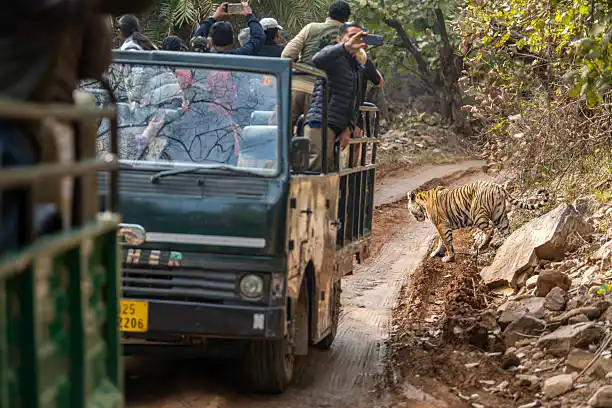
Sariska Tiger Reserve Safari Zones
Sariska Tiger Reserve Safari Zones
Knowing the zones is where most visitors get their planning wrong, so it’s worth slowing down here.
Sariska Gate opens into Zones 1, 2, and 3 — this is where the bulk of safari traffic goes, and where sighting numbers tend to be strongest. Tehla Gate, roughly 80 km away, leads into the more remote zones.
Zone 1 holds the main water holes and sees the highest tiger activity, especially once summer heat pushes animals toward water.
Zone 2 (Kalighati area) is wide meadows and dense brush — fewer vehicles pass through, which actually works in your favor if you’re after leopards or striped hyenas rather than tigers specifically.
Zone 3 runs toward the Tehla side and stays noticeably quieter. Birders tend to prefer this stretch precisely because there’s less vehicle noise.
Zone 4 (Pandupol route) cuts through scenic gorges up to the Hanuman temple, and gets pilgrim traffic on Tuesdays and Saturdays.
One thing to keep in mind: the booking system allots zones largely at random to spread out visitor load, so you can’t always guarantee which one you’ll land. Check the current allotment rules on the official portal before assuming you’ll get your first choice.
Sariska Tiger Reserve at a Glance
Sariska Tiger Reserve sits in the Aravalli hills of Alwar district, Rajasthan — about 200 km from Delhi and 107 km from Jaipur, which makes it one of the easier tiger reserves to reach for a short trip.
The reserve spans 1,203 sq km in total: roughly 881 sq km of core forest where the tigers actually live and breed, and 322 sq km of buffer zone around it. Two gates control entry — Sariska Gate, which is the busier, more popular one, and Tehla Gate, which opens onto the quieter, more remote stretches of the park.
Here’s what to know before anything else:
Nearest railway station: Alwar Junction, about 35 km away
Nearest airport: Jaipur International, around 110-130 km away
Weekly off day: Wednesday — no safaris run
Core zones: shut during monsoon (July-September); buffer zones stay open
Safari shifts: morning and evening, roughly 3.5 hours each
Once you have that mental map, the rest of your planning gets a lot easier.
How to Book Sariska Tiger Reserve Safari Online
Here’s how Sariska Tiger Reserve booking actually works, step by step:
Go to the official Rajasthan forest department OBMS portal for online safari booking — this is the government booking system, not a third-party reseller.
Pick your date, shift, and gate. Weekend slots during winter sell out fast, so book 60-90 days ahead if you can.
Enter ID details exactly as they appear on your government ID — Aadhaar or driving license for Indians, passport for foreign nationals. A mismatch at the gate can get your permit cancelled on arrival, no exceptions.
Complete payment and download your confirmation. Keep both a digital and printed copy; network issues at the gate aren’t rare.
Download your boarding pass an hour before your shift and carry the same ID used at booking.
If the online safari booking system shows your preferred dates full, many licensed local operators near Sariska Gate can help you book through the same official channel — just confirm they’re working through the government portal and not selling inflated third-party passes.
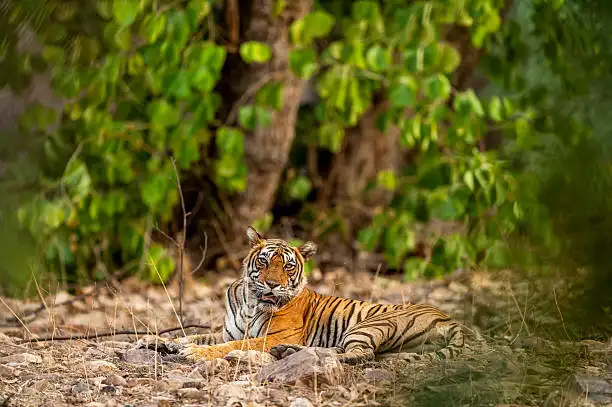
How to Book Sariska Tiger Reserve Safari Online
History of Sariska Tiger Reserve
Every good trip starts with knowing what you’re actually walking into, and the history of Sariska Tiger Reserve is more dramatic than most travel guides let on.
The land was once the private hunting reserve of the Maharajas of Alwar. After independence, it was notified as a wildlife sanctuary in 1958, and in 1978 it earned Project Tiger status — becoming one of India’s earliest official tiger reserves.
Then came the part that changed everything. Through 2004, forest officials kept insisting Sariska’s tigers had simply moved out temporarily and would return after the monsoon. They never did. By January 2005, it was confirmed: poachers had wiped out every tiger in the reserve. The story made national headlines, triggered a CBI investigation, and forced a complete rethink of how India protected its tiger populations.
The recovery is the part worth remembering. In June 2008, a male tiger was airlifted by helicopter from Ranthambore to Sariska — the world’s first tiger relocation of its kind. More tigers followed over the next few years, and despite early setbacks (one relocated male died of poisoning in 2010), the population began breeding naturally by 2012. By 2023, Sariska was home to roughly 30 tigers, rebuilt almost entirely from three relocated cats.
A Short Biography of Sariska Tiger Reserve
If you want the one-paragraph version for context: Sariska went from royal hunting ground, to protected sanctuary, to a reserve that lost its entire flagship species, to one of India’s most closely watched conservation comeback stories. That arc is precisely what makes visiting here different from visiting almost any other reserve in the country — the tigers you might spot on safari are descendants of a population rebuilt from near zero within your lifetime.
Sariska Tiger Reserve Safari Charges and Ticket Price
Sariska Tiger Reserve safari charges get revised from season to season, so treat the figures below as a realistic working range rather than a locked-in quote — always confirm the current Sariska Tiger Reserve ticket price on the official booking portal before paying anyone.
| Vehicle Type | Indian Nationals | Foreign Nationals |
|---|---|---|
| Canter (20-seat open bus) | ₹1,200 – ₹1,500 | ₹2,000 – ₹2,500 |
| Gypsy (6-seat 4x4, shared) | ₹2,000 – ₹2,500 | ₹3,000 – ₹4,000 |
| Full Gypsy hire (private) | ₹12,000 – ₹13,500 total | ₹15,000 – ₹20,000 total |
Camera and videography fees are usually charged separately, and tend to be higher for foreign visitors.
Gypsy or canter — which one should you actually book? The canter is cheaper and works fine for large families or a first casual visit, but it’s a big vehicle that sticks to the main tracks. A jeep safari booking at Sariska Tiger Reserve costs more, but the gypsy can turn into narrower paths and stop faster when something moves in the brush. If photography or a serious shot at a sighting matters to you, the extra rupees are worth it.
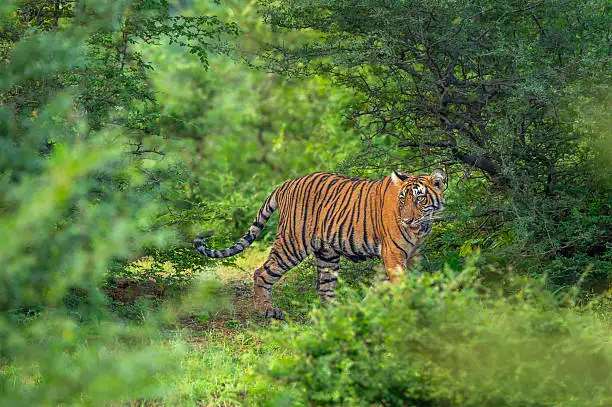
Best Time to Visit Sariska Tiger Reserve
Best Time to Visit Sariska Tiger Reserve
The best time to visit Sariska Tiger Reserve really depends on what you’re chasing.
Winter (October–March) is the most comfortable window, with daytime temperatures between 15-25°C and wildlife active during cooler hours. It’s also peak season for migratory birds — and the most crowded, so book early.
Summer (April–June) sounds unbearable on paper, with temperatures crossing 40°C, but it’s genuinely the strongest window for a tiger sighting. Water holes shrink, forcing animals toward the same few spots to drink, which concentrates activity in a way winter’s abundant water never does.
Monsoon (July–September) is where Sariska quietly stands apart from most other reserves: while places like Ranthambore shut their core zones entirely, Sariska keeps its buffer zone open through Tehla Gate. Sightings are tougher thanks to dense vegetation, but this is the only season you’ll see the forest properly green.
Resorts Near Sariska Tiger Reserve
Your accommodation should correspond with the gate through which your safari is scheduled — opt for lodging near Sariska Gate if you are in Zone 1 or 2, and near Tehla if you have secured a more distant zone, thereby avoiding an unnecessary early morning drive.
Budget stays: Simple guesthouses around Sariska village — functional, safari-focused, not scenic.
Mid-range resorts: A growing cluster of independent properties along the Sariska Gate approach road, many offering in-house naturalists and early breakfast boxes for morning safaris.
Luxury resorts near Sariska Tiger Reserve: Sariska Palace, the former royal hunting lodge, along with a few resort properties offering pools and spa facilities — the natural choice for honeymooners or anyone wanting comfort alongside the wildlife.
Whatever your budget, confirm the property can pack an early breakfast box — most morning safaris leave before regular hotel breakfast service even starts.
Sariska Tiger Reserve Safari Timings
Safaris run in two shifts daily, each lasting about 3.5 hours, with exact start times shifting slightly by season to match daylight hours:
Winter (October–February): Morning shift starts later (around 7:00 AM) since sunrise is later; evening shift ends earlier.
Summer (March–June): Morning shift starts earlier (around 6:00 AM) to beat the heat; evening shift runs later into cooler hours.
Whichever season you visit, arrive at the boarding point at least 30 minutes before your shift. Boarding passes need to be downloaded an hour in advance, and latecomers commonly lose their slot without a refund — this isn’t a “reach whenever” kind of booking.
Sariska Tiger Reserve Tour Packages
If you’d rather not coordinate safaris, stays, and transport separately, several licensed operators in Alwar and Jaipur put together Sariska Tiger Reserve tour packages that typically bundle:
Return transport from Delhi or Jaipur
Two nights’ accommodation
Two safaris (one gypsy, one canter, or two gypsy drives)
A guided visit to Pandupol Hanuman Temple and Kankwari Fort
Packages are worth it mainly for foreign tourists or first-time visitors who’d rather not navigate the OBMS portal, vehicle hire, and hotel booking separately. If you’re comfortable doing your own planning, booking each piece individually is usually cheaper.
Flora and Fauna of Sariska Tiger Reserve
Tigers get the headlines, but the flora and fauna of Sariska Tiger Reserve run a lot deeper than that. The forest is dominated by dhok trees (Anogeissus pendula), with patches of dry deciduous woodland and thorn scrub that shift dramatically between a bone-dry summer and a genuinely lush monsoon.
Beyond tigers, keep watch for:
Leopards — more common here than most visitors expect, if less talked about
Striped hyenas — Sariska holds one of India’s healthier populations of this shy, mostly nocturnal species
Sloth bears, jungle cats, and golden jackals
Herbivores like sambar deer, chital, nilgai, and wild boar, all easy to spot on nearly any drive
How to Reach Sariska Tiger Reserve
From Delhi: Take NH48 (Delhi-Jaipur Highway) toward Behror, then the Alwar-Bhiwadi bypass. Budget 4-5 hours depending on traffic, and leave before 6 AM to skip the worst of the Gurgaon-Manesar stretch.
From Jaipur: NH48 to the Alwar-Jaipur Road — around 2-2.5 hours, making this the easiest weekend option for Jaipur-based travelers.
From Agra: No direct highway; the usual route runs via Bharatpur and Alwar, roughly 5-6 hours. Many Agra travelers pair this trip with a stop at Bharatpur’s bird sanctuary along the way.
By train: Alwar Junction is the nearest station, about 35 km out, with solid connections from Delhi, Jaipur, and Mumbai. A taxi or pre-arranged hotel pickup covers the last stretch.
| Since a lot of travellers are weighing these two reserves against each other, here's the honest side-by-side: | ||
|---|---|---|
| Factor | Sariska Tiger Reserve | Ranthambore National Park |
| Distance from Delhi | ~200 km | ~380 km |
| Distance from Jaipur | ~107 km | ~180 km |
| Tiger sighting probability | Moderate | Higher |
| Crowd levels | Lower | Higher, especially peak season |
| Monsoon access | Buffer zone stays open | Core zones close entirely |
| Added attractions | Pandupol Temple, Kankwari Fort | Ranthambore Fort |
| Best suited for | Weekend trips, quieter experience | Dedicated wildlife trips, first sighting priority |
Neither reserve is universally “better” — Ranthambore wins on raw sighting odds, Sariska wins on accessibility, crowd levels, and the temple-plus-wildlife combination you won’t find elsewhere.
Birding in Sariska Tiger Reserve
Birding in Sariska Tiger Reserve is its own reward, with over 200 recorded species. Winter migratory season brings the widest variety, but year-round residents include crested serpent eagles, Indian eagle-owls, grey francolins, and peacocks that are impossible to miss even on a tiger-focused drive. If birding is your priority, Zone 3’s quieter routes usually outperform the busier tiger zones simply because there’s less traffic to scare birds off.
Frequently Asked Questions
What are the current Sariska Tiger Reserve safari charges? Canter safaris run roughly ₹850-1,200 for Indian nationals and ₹1,700-2,200 for foreigners; gypsy safaris run roughly ₹1,300-1,700 for Indians and ₹2,100-2,700 for foreigners. Prices are revised periodically, so confirm current rates on the official portal before booking.
How do I book Sariska Tiger Reserve safari online? Book through the official Rajasthan forest department OBMS portal, choosing your date, shift, and gate, and entering ID details exactly as they appear on your government-issued ID.
Best time to visit Sariska Tiger Reserve? Winter (October-March) is most comfortable and best for birding; summer (April-June) gives the strongest tiger-sighting odds; monsoon (July-September) keeps the buffer zone open when most other reserves are shut.
Which day is Sariska Tiger Reserve closed? Wednesdays — no safaris run on this day.
How many days should I plan for a Sariska trip? Two to three days lets you fit in more than one safari attempt plus a visit to Pandupol Hanuman Temple and Kankwari Fort without rushing.
Is Sariska Tiger Reserve good for families and first-time safari-goers? Yes — the gypsy and canter safaris are low-exertion, and Zone 1’s shorter, well-maintained routes are typically the easiest for kids or older travellers.
Sariska Tiger Reserve isn’t just a stop on the tiger-reserve circuit — it’s a working comeback story, a genuine weekend escape from Delhi and Jaipur, and one of the few places in India where a wildlife safari and an active pilgrimage sit inside the same forest. Once you know which zone to request, when to book, and what the safari charges actually look like, the rest of the planning falls into place quickly.
Ready to Plan Your Sariska Safari?
Don’t leave your safari slot to chance — weekend dates in peak season fill up fast. [Check live availability and complete your Sariska Tiger Reserve safari booking online →]
Still weighing your options or unsure which zone and gate suit your trip? [Talk to a Sariska safari specialist for personalized planning →]