
Rajiv Gandhi Regional Museum of Natural History Tour
- Home
- Rajiv Gandhi Regional Museum of Natural History Tour
Rajiv Gandhi Regional Museum of Natural History Tour
Rajiv Gandhi Regional Museum of Natural History Tour: Complete Visitor Guide
If you’re planning a Ranthambore trip and wondering whether a Rajiv Gandhi Regional Museum of Natural History tour deserves a slot on your itinerary, you’re asking the right question before you get there — not after you’ve already burned half a day. Most articles about this museum read like they were written by someone who’s never actually stood in front of the exhibits. This one isn’t that.
Key Takeaways
A Rajiv Gandhi Regional Museum of Natural History tour is best treated as a 30–60 minute add-on, not a full-day attraction.
It slots naturally into the midday gap between your morning and afternoon Ranthambore safari shifts.
Confirm the current Rajiv Gandhi museum Ranthambore ticket price and timings locally — both change periodically and shouldn’t be trusted from older sources.
Families and student groups get the most value; photographers and luxury travelers can treat it as optional.
Pair it with Ranthambore Fort for a fuller picture of the region — one covers ecology, the other covers history.
Can you explain the Rajiv Gandhi Regional Museum of Natural History?
Sawai Madhopur’s Rajiv Gandhi Regional Museum of Natural History is one of four regional museums of its kind in India — the others sit in Bhopal, Bhubaneswar, and Mysore, all built under the same national initiative to bring science and natural history education outside the big metro cities. This one opened in 2014, spans roughly 7.2 acres, and was designed specifically to showcase the biodiversity of Rajasthan — a state most tourists associate with forts and deserts, not ecosystems.
Think of it less as a grand museum experience and more as a compact, focused stop that fills in the ecological backstory to the tigers you’re about to spot on safari.
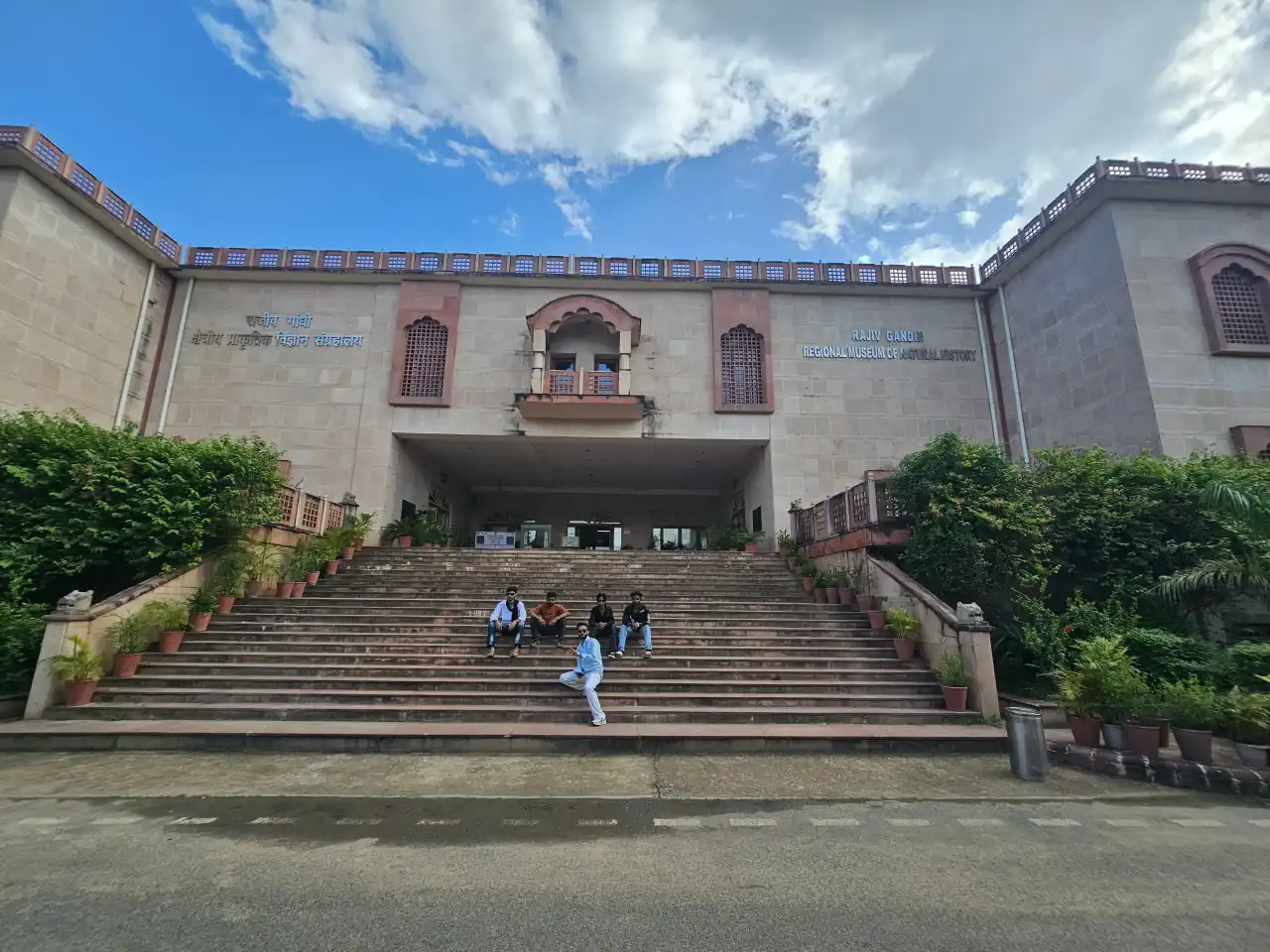
Rajiv Gandhi Regional Museum of Natural History
Ticket Price and Timings
This is where most other guides get vague, so let’s be direct: the Rajiv Gandhi museum Ranthambore ticket price and the museum’s opening hours are both revised periodically by the state government, so confirm the current Ranthambore museum ticket price and Rajiv Gandhi museum Ranthambore timings with your hotel concierge or at the counter rather than trusting a fixed figure printed months or years ago. The same caution applies to Sawai Madhopur museum timings in general — schedules shift seasonally.
What you can plan around with confidence:
Duration: 30 to 60 minutes covers it thoroughly.
Guided vs. self-guided: Compact enough to navigate alone, though asking staff about a guided walkthrough on arrival costs nothing and adds useful context.
Best time of day: Late morning or early afternoon, after your first safari and before the heat peaks, works well for most Ranthambore itineraries.
Is It Worth Visiting? A Breakdown by Traveler Type
Short answer: The answer is yes, if you view it as a small, additional element rather than the main attraction.
Families with kids — genuinely useful. Dioramas and taxidermy displays hold a child’s attention better than a fort’s history plaques do.
Wildlife photographers and birders — limited standalone value. You won’t shoot anything here you can’t shoot better in the park itself.
Students and educational groups — this is the audience it was actually built for. Curriculum-style biodiversity exhibits reward group visits.
History and culture enthusiasts — manage expectations. This covers natural history, not Rajasthan’s Mughal or Rajput heritage — that’s Ranthambore Fort’s job.
Honeymoon and luxury travelers — optional. First thing to cut if your itinerary is already tight.
Foreign and international tourists — a useful context-setter if you’re unfamiliar with India’s dry-forest ecosystem before your first safari.
The pattern across honest visitor feedback is consistent: nobody regrets going, but anyone expecting a world-class natural history experience walks out a little underwhelmed. Go in expecting a solid, informative regional museum — not a Smithsonian.
What You'll Actually See Inside
The core exhibit space, Gallery 1, focuses on the biodiversity of Rajasthan — dioramas depicting dry deciduous forests, desert ecosystems, and wetland habitats, alongside taxidermy specimens of species you’d hope to see live on safari: tigers, leopards, sambar deer, and native bird species.
A few things worth knowing before you walk in:
Additional galleries have been “planned” for years. If you see this claim repeated elsewhere online, treat it with skepticism — verify current gallery status locally rather than assuming the expansion has happened, since this exact promise has circulated since the museum’s opening year.
An on-site auditorium hosts educational screenings and lectures — more relevant for school or college groups than solo tourists.
A small library supports the museum’s educational mandate, useful if you’re researching Rajasthan’s ecology rather than just sightseeing.
Braille signage appears in parts of the exhibit space — a rare accessibility feature among regional museums in India, worth knowing if you’re traveling with a visually impaired companion.
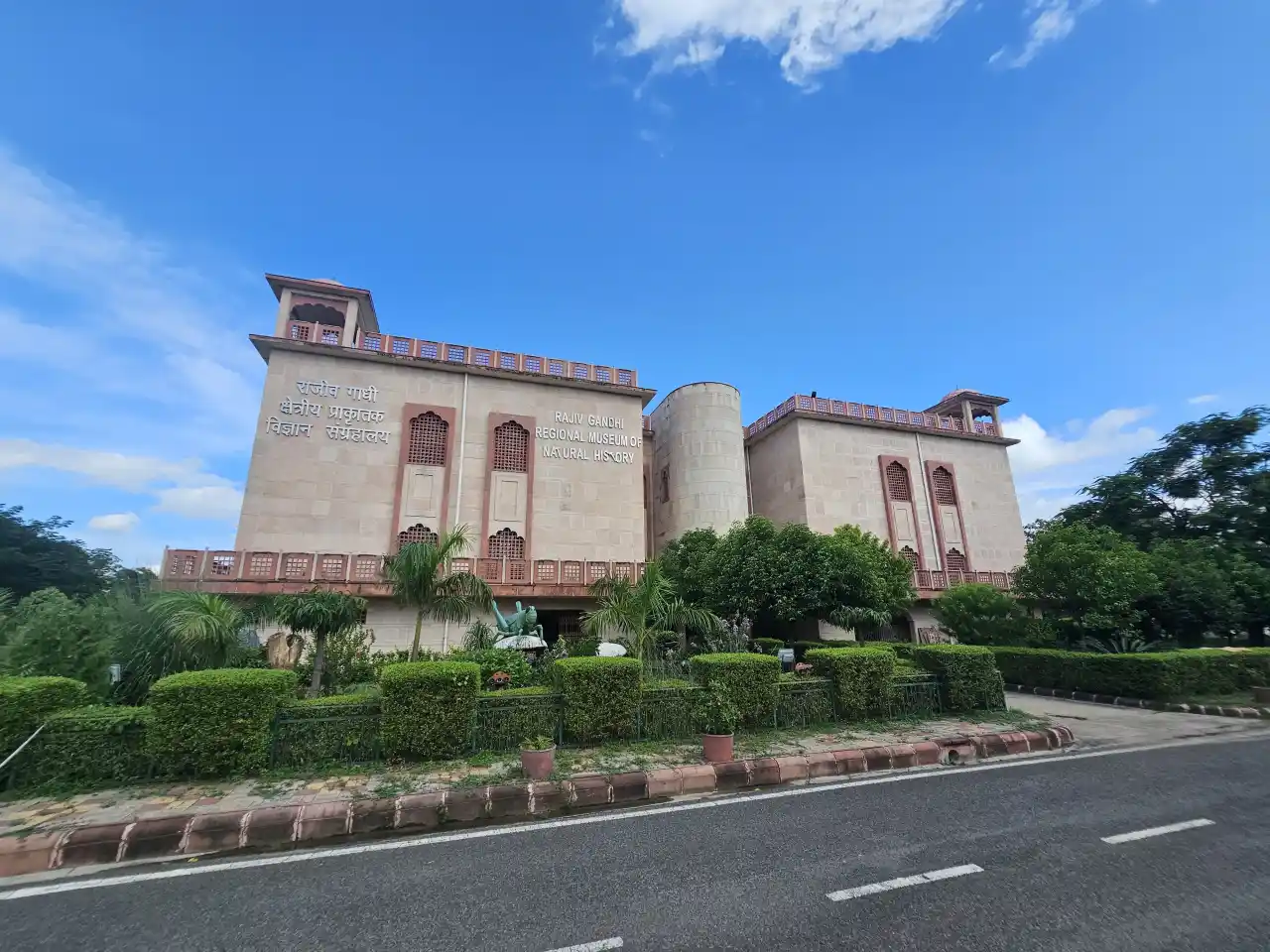
Rajiv Gandhi Regional Museum of Natural History Sawai Madhopur
How to Combine the Museum With Your Ranthambore Safari
This is the part almost nobody writes about, and it’s the actual reason you searched for a “tour” instead of just a “museum.”
Ranthambore safaris run in two shifts — morning and afternoon — with a multi-hour gap between them. That gap is usually dead time, spent back at the hotel scrolling through photos. It’s also exactly the window a Rajiv Gandhi Regional Museum of Natural History tour fits into.
A sample half-day plan that actually works:
Morning safari (roughly 6:30 AM to 10 AM, depending on season and zone)
Return to town, grab lunch
Museum visit (45 minutes) during the midday heat, when you’d rather be indoors anyway
Optional stop at a local market or Ranthambore Fort if time allows
Afternoon safari
The museum sits within a short drive of Sawai Madhopur’s main hotel belt and the railway station, so it slots into a taxi or auto ride without needing a dedicated trip of its own. If your hotel offers a package itinerary, ask whether they can build the museum into your existing safari transfer — most drivers are used to the request. After securing your safari zones and slots, this becomes the simplest opportunity to utilize your time effectively.
Tips by Traveler Type
Wildlife photographers and birders: Don’t expect camera-worthy shots inside — displays sit behind glass under viewing-oriented lighting. Treat this as a knowledge stop and save your lens time for the park.
Family tourists: Kids generally engage better here than at Ranthambore Fort, where historical context often goes over younger heads. Time the visit right after a safari, while the animals they just saw are still fresh — it reinforces the experience instead of feeling disconnected from it.
Foreign and international tourists: If English-language signage or guide availability matters to you, confirm this with the museum or your tour operator ahead of time, since staffing and signage can vary.
History and culture enthusiasts: Pair this with, not instead of, a heritage stop like Ranthambore Fort. The museum covers ecology; the fort covers history. Together they round out the region.
Adventure and experience seekers: A calm, indoor, low-adrenaline stop. It’s a breather between safaris, not an adventure activity in its own right.
Luxury travelers: A modest, functional government museum rather than a polished attraction. It is advisable to make a brief stop for context, but one should maintain realistic expectations in relation to the overall quality of a premium trip.
Facilities and Practical Info
Food: Don’t count on an on-site canteen for a full meal — eat before or after your visit, and confirm current facilities on arrival.
Parking: Generally available for cars and taxis outside the museum grounds.
Photography rules: Ask at the entrance whether personal photography is permitted, since policies at government-run museums can change without much notice online.
Restrooms and seating: Basic facilities on-site, adequate for a short visit.
Nearby stay: If you haven’t locked in a hotel yet, Ranthambore accommodation options near the safari gates also put you a short ride from the museum.
Use this as a rough itinerary skeleton — the museum earns its place as the low-effort, high-context stop that fits around everything else, not the thing you build your day around.
| Comparison: Museum vs. Other Sawai Madhopur Stops | |||
|---|---|---|---|
| Attraction | Best For | Typical Time Needed | Pairs Well With |
| Rajiv Gandhi Regional Museum of Natural History | Families, students, first-time safari-goers | 30–60 minutes | Midday safari gap |
| Ranthambore Fort | History and culture enthusiasts | 1.5–2 hours | Late afternoon, pre-sunset |
| Local Markets (Sawai Madhopur) | Casual browsing, souvenirs | 30–45 minutes | End of the day, post-safari |
| Ranthambore Safari (Core Activity) | All traveler types | 3–3.5 hours per shift | Built around the above three |
FAQs
What is the current Rajiv Gandhi museum Ranthambore ticket price? It changes periodically, so confirm it with your hotel or at the counter on the day of your visit rather than relying on an older published figure.
What are the Rajiv Gandhi museum Ranthambore timings? Hours are revised seasonally by the state, so a quick check with your hotel concierge or a local call ahead is more reliable than a fixed schedule online.
How long is it advisable to stay at the museum? 30 to 60 minutes covers it well — it’s a focused, single-gallery experience rather than a sprawling campus.
Is it suitable for young children? Yes — diorama and taxidermy displays tend to hold children’s attention well, especially right after a safari when the animals are still top of mind.
Can I combine it with a Ranthambore safari on the same day? Yes, and this is genuinely the best way to visit. Slot it into the midday gap between morning and afternoon safari shifts.
Is photography allowed inside? Policies can vary, so ask at the entrance when you arrive rather than assuming either way.
What are typical Sawai Madhopur museum timings for weekly closures? These are set by the state and occasionally revised — check locally rather than assuming a fixed weekly-off day.
A Rajiv Gandhi Regional Museum of Natural History tour isn’t going to be the highlight of your Ranthambore trip, and it doesn’t need to be. Its real value is in what it does for everything around it — it fills the midday safari gap with something genuinely educational, gives kids a break from the jeep, and gives first-time visitors ecological context before they head back out to spot the real thing. Confirm the ticket price and timings locally, keep your visit to under an hour, and pair it with a stop at Ranthambore Fort if you want the fuller regional picture — history alongside the ecology.
Ready to build this into your trip? Check safari zone availability to lock in your morning and afternoon slots, then plan your museum visit around the gap in between.