
Mansarovar Dam Tour Ranthambore
- Home
- Mansarovar Dam Tour Ranthambore
Mansarovar Dam Tour Ranthambore
Mansarovar Dam Tour Ranthambore: Complete Guide to Timings, Cost & Wildlife
Quick thing before we go any further: if you landed here searching “Mansarovar,” you might actually be thinking of Lake Manasarovar — the sacred high-altitude lake in Tibet that pilgrims trek to for weeks. This is not that place. A Mansarovar Dam tour in Ranthambore takes you to a small, working irrigation dam on the edge of Rajasthan’s most famous tiger reserve — quiet, unpolished, and almost unknown outside serious wildlife circles. Different continent, same name, completely different trip.
If that’s actually what you’re planning, here’s everything you need — real distances, real costs, real seasonal advice, and the practical details nobody else bothers to mention.
Takeaways
Mansarovar Dam sits about 15 km from Sawai Madhopur city, on the southwestern boundary of Ranthambore National Park — roughly a 30–40 minute drive.
It’s not the sacred Lake Manasarovar in Tibet — a completely different, unrelated location.
Best months: November to March for migratory birds and cooler weather; avoid midday visits April–June.
Cost ranges from a basic taxi fare to a bundled local guide package (around ₹3,500 for a small group) to a private international-platform tour with hotel pickup.
There are no food stalls, water vendors, or restrooms at the dam — carry your own supplies.
The approach road gets bumpy and isn’t recommended after dark.
Tiger or leopard sightings are possible but not guaranteed — treat this as a birding and scenery trip first, wildlife bonus second.
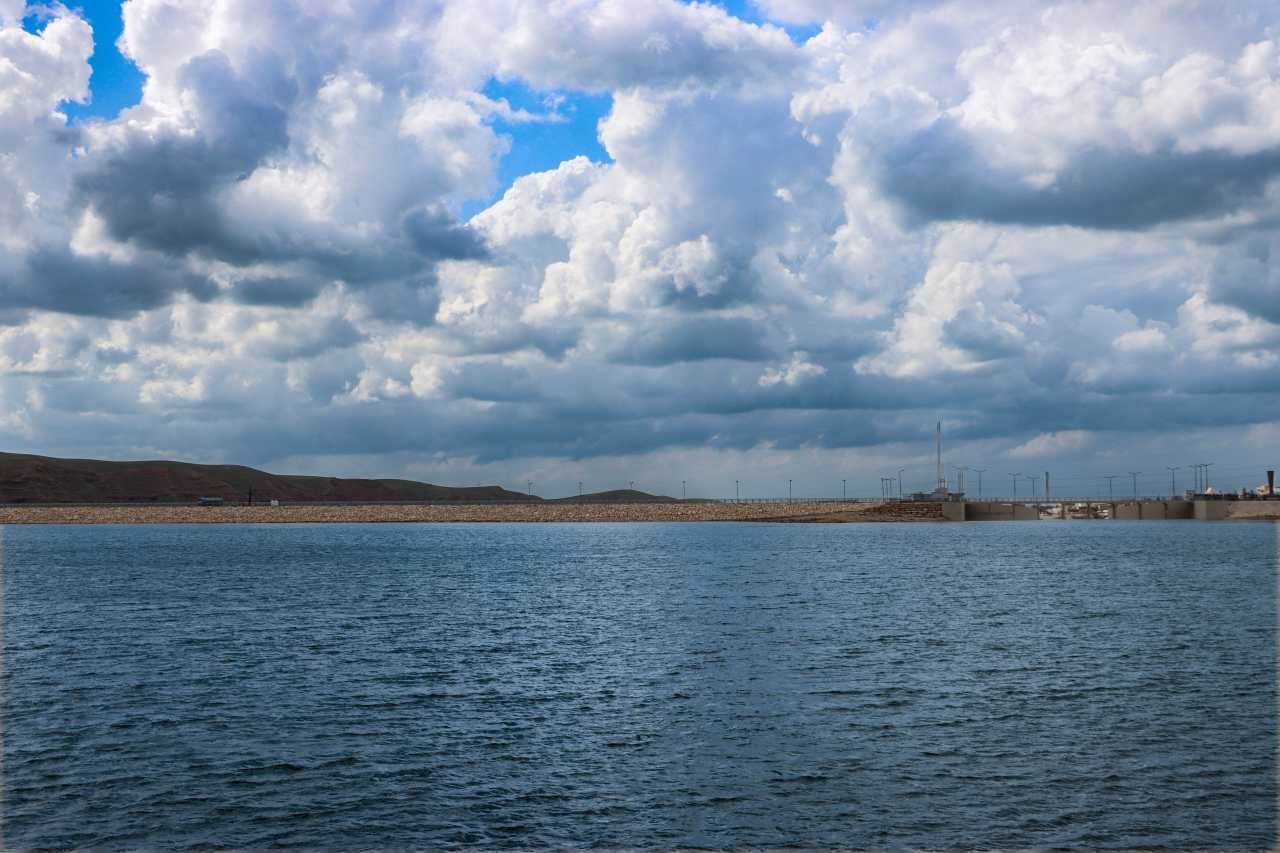
MANSAROVAR DAM RANTHAMBORE NATIONAL PARK
What Is Mansarovar Dam, Really?
Mansarovar Dam was built as an irrigation reservoir, and that’s still its primary job today — the water stored here feeds farmland in a part of Rajasthan that doesn’t get much rain to spare. Somewhere along the way, though, it also became one of the better-kept secrets for birdwatching in the Ranthambore area, mostly because almost nobody outside serious wildlife circles knows it exists.
Mansarovar Dam Ranthambore is located right on the boundary of the national park, close to what’s known locally as Zone 10, with the rocky outline of the Ranthambore hills — including a peak called Mor Doongari — visible across the water. There’s no ticket counter, no gift shop, no restaurant by the water. That’s the appeal, honestly: you’re looking at a working dam that happens to attract a huge amount of birdlife, not a tourist attraction dressed up as one.
If you’re the kind of traveler who likes places before they get “discovered,” this is one of those.
Best Time to Visit Mansarovar Dam
Timing changes the experience more than almost anything else here, so it’s worth planning around it rather than just showing up.
| Season | What You'll See | Best For |
|---|---|---|
| November – March | Peak migratory bird season — waterfowl, waders, and winter visitors gather at the water's edge. | Bird watchers, photographers |
| April – June | Water levels drop, animals concentrate near remaining water sources, and the midday heat becomes intense. | Early-morning wildlife viewing only |
| July – September (Monsoon) | The dam fills up and looks its best, though the approach road can become slippery after rainfall. | Scenic visits — check road and weather conditions before travelling. |
| October | A pleasant transition month with comfortable water levels as migratory birds begin arriving. | An excellent balance of scenery and birdwatching. |
If Photography or birdwatching is your main reason for the trip, aim for December through February. Early morning, right after sunrise, and late afternoon are consistently the best light and the best bird activity — locals who visit regularly plan around these two windows rather than the middle of the day.
How to Reach Mansarovar Dam Ranthambore from Sawai Madhopur
The dam is roughly 15 km from Sawai Madhopur city, on the road toward Khandar (some route it via Palighat). It’s close enough that it doesn’t need to be an all-day expedition, but far enough that you shouldn’t expect to just wander over on foot.
A few practical notes that actually matter:
The road gets bumpy the closer you get to the dam, and it’s not a route you want to be driving after dark. If you’re arranging your own transport, plan to be back before evening.
There’s a turn-off you can easily miss — most visitors describe it as a left turn shortly after passing Bodal village. This is exactly the kind of spot where a local guide earns their fee.
Three realistic ways to get there: hire a private taxi from Sawai Madhopur just for this trip, book it as part of a half-day guided tour (most local operators bundle transport and a guide together), or combine it with a broader Ranthambore itinerary that includes a safari zone.
If unreliable GPS or unfamiliar rural roads make you nervous — a common concern for first-time visitors from abroad — booking through a local guide or your hotel removes that risk almost entirely. This isn’t a spot where mapping apps always get the last turn right.
A Realistic Half-Day Itinerary
“Half-day tour” shows up in almost every search for this place, but nobody actually lays out what that half-day looks like. Here’s a version that works:
6:00 AM — Pickup from your hotel in Sawai Madhopur
6:45 AM — Arrive at Mansarovar Dam, right around sunrise (the best light and bird activity of the day)
6:45 – 8:30 AM — Birdwatching and photography at the water’s edge
8:30 AM — Head toward Raj Bagh Talao or Padam Talao if you want to extend into the national park proper (both are well inside Ranthambore and worth combining if you have time)
10:30 AM — Return to Sawai Madhopur, or continue straight into a morning safari slot if you’ve booked one
Prefer the afternoon instead? Shift the whole window back so you’re arriving around 4:30–5:00 PM and leaving before dark — that access road isn’t one you want to be on at night.
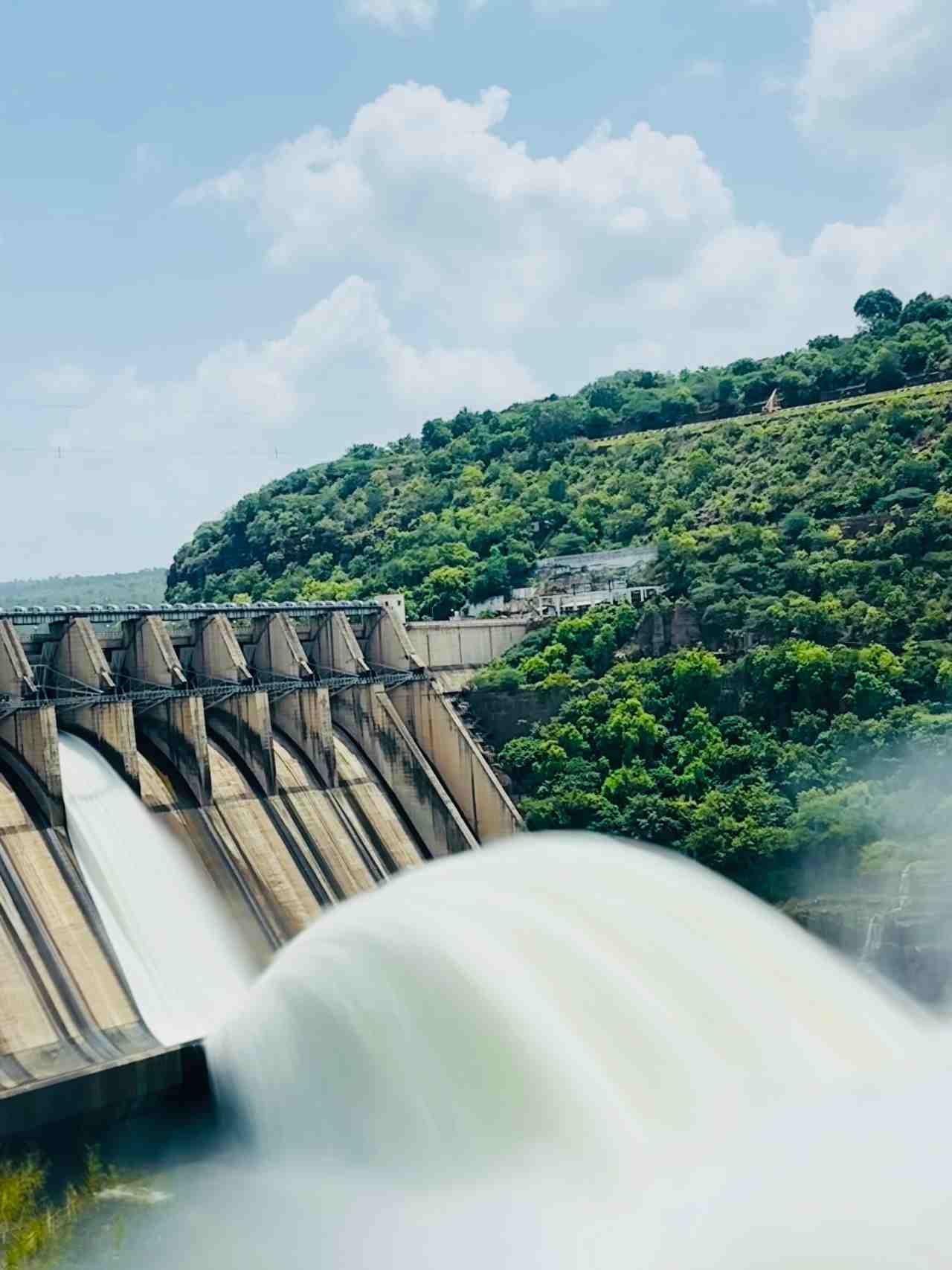
MANSAROVAR DAM SAWAI MADHOPUR RAJASTHAN
Tour Cost and Booking Options Compared
Pricing for a Mansarovar Dam tour in Ranthambore is scattered across a few very different booking models. Here’s how they actually stack up:
| Booking Option | Typical Cost | What's Included | Best For |
|---|---|---|---|
| Local guide + shared transport package | ~₹3,500 for a small group (around 4 people) | Naturalist guide and shared vehicle | Budget travellers and small groups |
| Private half-day tour (international platform) | Higher price per booking | Hotel pickup/drop-off, private vehicle, guide, approximately 4 hours | First-time visitors looking for a hassle-free experience |
| Self-arranged taxi only | Cheapest option | Transport only (guide not included) | Confident independent travellers |
Most operators list a minimum age around 18, though some local packages informally recommend the trip for ages 15 to 55 — mainly because of the bumpy access road, not any real physical demand. If you’re traveling with teenagers or older parents, treat this as a comfort consideration rather than a hard restriction. The dam itself involves no walking or climbing beyond getting out of the vehicle.
Lorem ipsum dolor sit amet, consectetur adipiscing elit. Ut elit tellus, luctus nec ullamcorper mattis, pulvinar dapibus leo.
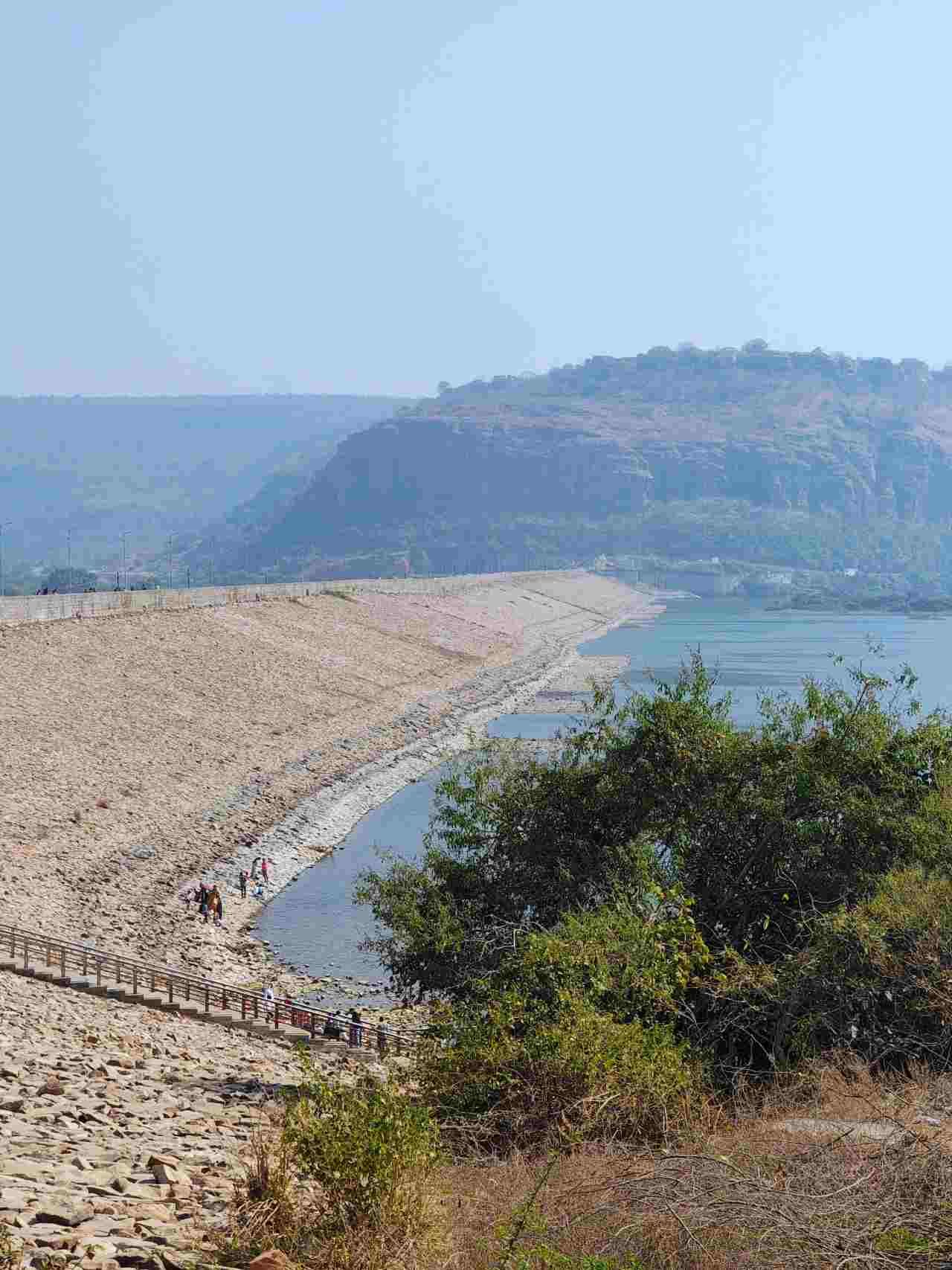
MANSAROVAR DAM RANTHAMBORE SAWAI MADHOPUR
Who Is This Tour Actually For?
Given how differently this trip plays out depending on who’s taking it, here’s how it tends to work for each type of traveler:
Wildlife lovers and photographers — a near-ideal low-crowd alternative to a safari, especially once you’ve already done a park drive or two.
Birdwatchers — genuinely one of the better winter birding spots in the area, and far less crowded than the main park zones.
Families with kids or teens — the flat, open area by the water gives kids room to move, and several visiting families describe it as an easy, relaxed stop rather than a strenuous outing.
Couples and Honeymooners — For couples and honeymooners seeking a tranquil and picturesque experience, particularly during sunset, this option is preferable to a jeep safari for those desiring a more serene atmosphere.
Students and educational groups — a solid, low-cost stop for understanding irrigation infrastructure alongside local ecology, especially with a guide who can speak to both.
Luxury travelers — book the private guided version with hotel pickup rather than the bare-bones taxi option; the experience itself stays rustic no matter what you pay, so the extra cost buys convenience, not polish.
International and first-time Indian visitors — go with a guide. The unmarked turn-off and lack of facilities are minor annoyances with one, and real obstacles without one.
History and culture enthusiasts — there’s no monument here, but the dam’s role in local irrigation and its position on the edge of a former royal hunting ground The historical significance of Ranthambore, which it once embodied, provides greater context than it may initially seem to possess.
Safety, Permits & Practical Tips
No special permit is needed to visit the dam itself, since it sits at the park’s edge rather than inside a restricted safari zone. If your route brings you near an active zone boundary, stick with a guide who knows the current rules.
Avoid driving the access road after dark. Multiple visitors flag this specifically, and it’s not worth the risk for what’s otherwise a low-key outing.
Carry your own water, snacks, and any medication you need — there’s nothing to buy once you’re there.
Bring binoculars. A spotting scope is even better if you’re serious about birding.
Confirm the cancellation policy at booking. Most guided packages allow rebooking or cancellation up to 24 hours ahead, but this varies by operator.
Anticipating Wildlife, Avian Species & Photography
This is really where Mansarovar Dam earns its reputation. Because it’s a genuine water source rather than a landscaped attraction, wildlife treats it exactly like one.
Birdwatchers regularly report kingfishers, owls, painted spurfowl, and various larks around the banks, along with a strong seasonal push of migratory waterfowl in winter. It’s also not unusual to spot wild boar or hyena coming down to drink, particularly around dawn and dusk. Because the dam sits close to an active safari zone, there’s a real — though not guaranteed — chance of tiger or leopard activity nearby, especially when water is scarce elsewhere. Nobody can promise you a tiger here; if that’s your main goal, pair this trip with an actual safari drive rather than relying on the dam alone.
For photographers:
If your primary interest is birds, it is advisable to bring a zoom lens.
Arrive near sunrise to capture the optimal light on the water.
Don’t skip the wide shots — the hills and Mor Doongari peak in the background make for a genuinely different composition than the usual inside-the-park safari photos.
One practical heads-up nobody mentions enough: there are no food stalls, water vendors, or restrooms at the dam itself. Carry your own water and snacks, and plan bathroom stops before you leave town.
Frequently Asked Questions
Is Mansarovar Dam open every day? Yes. Mansarovar Dam Ranthambore doesn’t have a formal gate or ticketing system, so it’s accessible daily during daylight hours. Just avoid the approach road after dark.
What is the entry fee for Mansarovar Dam? There’s no separate entry ticket for the dam itself. Your cost is the transport and/or guide package you book — anywhere from a basic taxi fare to a private guided half-day tour.
How far is Mansarovar Dam Sawai Madhopur from the city center? About 15 km, roughly a 30–40 minute drive depending on road conditions.
Can you see tigers at Mansarovar Dam? It’s possible but not guaranteed, since the dam borders an active tiger reserve zone. Treat any sighting as a bonus rather than the reason for the trip — pair it with an actual safari drive if tigers are your priority.
Is this a good tour for first-time or solo travelers? Yes, especially if booked through a local guide or hotel package. The unclear turn-off and lack of on-site facilities are the two things that catch unprepared visitors off guard — a guide solves both.
Is Mansarovar Dam the same as the sacred lake in Tibet? No. This is an irrigation dam near Ranthambore National Park in Rajasthan, unrelated to the pilgrimage site of the same name in Tibet.
A Mansarovar Dam tour in Ranthambore isn’t a headline attraction, and that’s exactly the point — it’s a quiet, working dam that happens to draw serious birdlife and offer a different angle on the Ranthambore landscape than any safari drive will give you. Go in winter for the birds, bring your own water, get there before dark, and pair it with a lake or safari zone if you want to make a full morning of it. It rewards a little planning far more than most “half-day tour” listings let on.
Ready to plan your Mansarovar Dam tour in Ranthambore? [Check current safari zone availability] or [get in touch] to bundle it with a half-day or full-day Ranthambore itinerary — it works best as an early-morning add-on rather than a standalone trip.