Rajiv Gandhi Regional Museum of Natural History Sawai Madhopur
- Home
- Tour Package
- Rajiv Gandhi Regional Museum of Natural History Sawai Madhopur
Rajiv Gandhi Regional Museum of Natural History, Sawai Madhopur
Rajiv Gandhi Regional Museum of Natural History, Sawai Madhopur
You’ve probably landed here because you’ve already got a Ranthambore safari booked, and now you’re wondering if this museum is worth the detour or just another entry padding out every “things to do” list.
Good instinct to check first. This guide covers the Rajiv Gandhi Regional Museum of Natural History in Sawai Madhopur in full — what’s actually inside, the real visitor experience (not just the brochure version), accurate timings, and how to fit it into your trip without wasting a morning.
By the conclusion, you will have a clear understanding of whether it aligns with your itinerary, and if it does, how to schedule it appropriately.
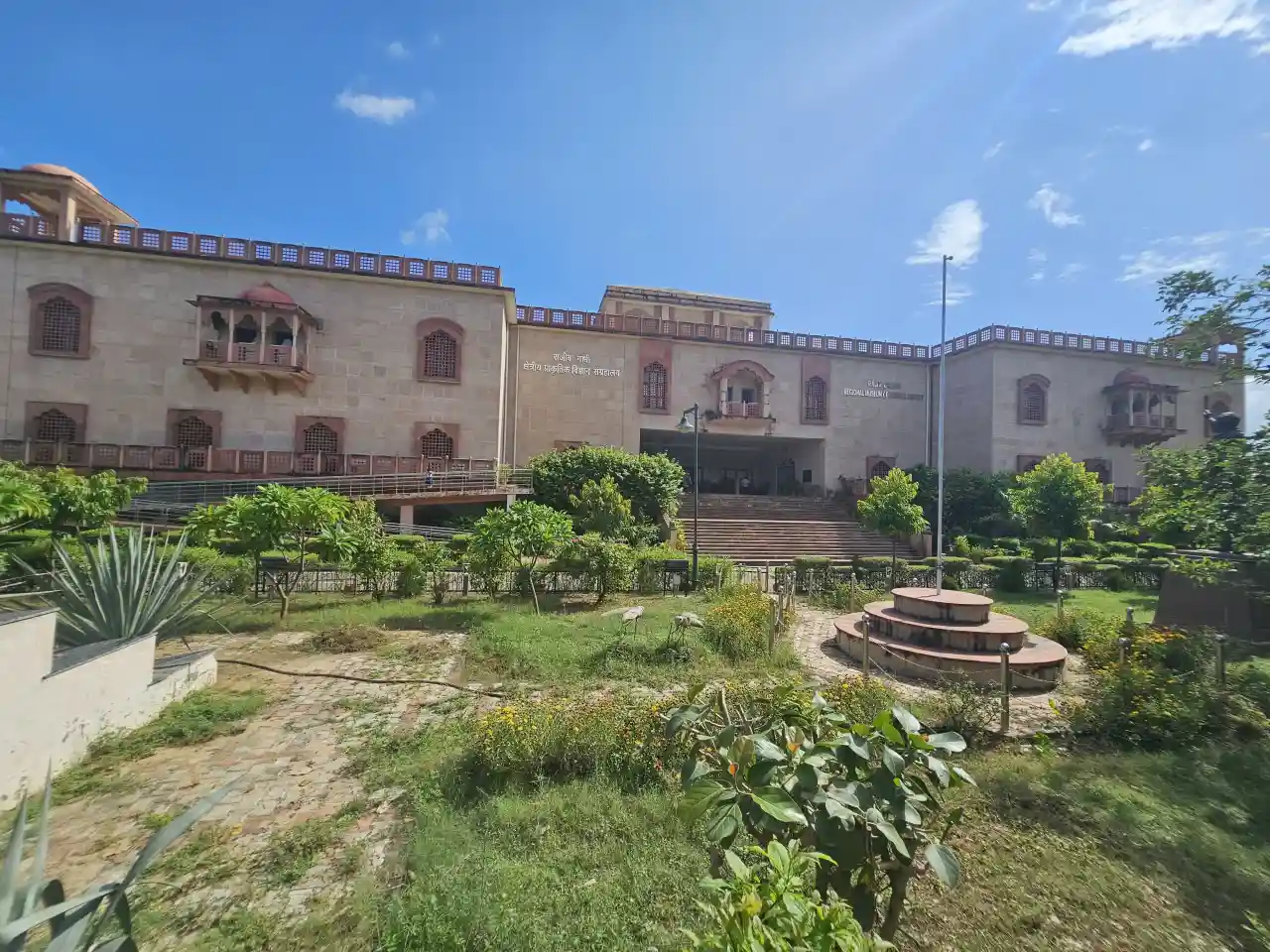
Rajiv Gandhi Regional Museum of Natural History, Sawai Madhopur
Rajiv Gandhi Museum Ranthambore History
The museum’s timeline explains a lot about what you’ll find (and won’t find) once you’re inside.
2007: The foundation stone was laid by the then Vice President of India, marking the official start of the project.
2014: The museum opened to the public — a seven-year gap between groundbreaking and opening, which is longer than most similar government projects.
Present day: Only the ground floor is functional. Four additional planned galleries — covering ecosystems, desert biomes, ecological conservation, and the origin of life — exist on paper but haven’t been built out yet.
Knowing the Rajiv Gandhi Museum Ranthambore history matters here for one practical reason: if you’re expecting a sprawling, multi-floor museum experience, you’ll be visiting a project that’s still, technically, half-finished more than a decade after opening. That’s not a criticism of what exists — it’s just useful context before you plan your time around it.
What Is the Rajiv Gandhi Regional Museum of Natural History?
It’s India’s fourth regional natural history museum, joining similar institutions in Mysore, Bhopal, and Bhubaneswar. The Ministry of Environment, Forest and Climate Change runs it, and it sits in Ramsinghpura village, roughly 9 km from Sawai Madhopur town, close to the entry gates of Ranthambore National Park.
That location isn’t an accident. The museum was designed as a lead-in to your safari — a place to understand the region’s forests, desert ecology, and wildlife before you’re sitting in a jeep scanning the grass for pugmarks. Visit it first, and the tiger you eventually spot means a bit more than “big cat, great photo.”
Spread across 7.2 acres, the building itself is larger than what’s currently on display inside — more on that in a minute.
What's Inside — Galleries and Exhibits
The one open gallery is themed “Biodiversity of Rajasthan,” covering the forests and wildlife of the region. Here’s what you’ll actually see:
Taxidermy and facsimile displays of tiger, leopard, and chinkara (the Indian gazelle). One display that throws people off: a mounted lioness near the entrance. Ranthambore is tiger country, not lion country, so this exhibit represents wider western India ecology rather than the park itself — a distinction the museum doesn’t explain clearly on-site.
Bishnoi community dioramas. The Bishnoi are famous for sacrificing their lives in the 18th century to protect trees from being cut down. If you’re more interested in the human side of conservation than the taxidermy side, this corner is genuinely worth slowing down for.
A painting and black pottery hall on the first floor, where local artists occasionally demonstrate live craftwork.
A library stocked with books on Rajasthan’s biodiversity, a 300-seat auditorium used for documentary screenings, and a Discovery Room aimed at school visits.
Braille signage throughout, built for visually impaired visitors — one detail that’s genuinely ahead of many similar museums in India.
Is It Actually Worth Visiting?
Here’s where most articles about this museum go quiet. They’ll list what’s inside and leave you to guess whether it’s worth your time. So, straight answer:
Visitor ratings sit around 3.6 out of 5, and it ranks outside the top 10 attractions in Sawai Madhopur. Recurring complaints include display cases that feel sparsely filled and information sheets standing in for actual specimens in a few spots. A pattern that comes up often in reviews: local hotels rarely recommend it, likely because it doesn’t generate the same booking commission as an extra safari drive — so plenty of visitors never hear about it until they’ve already left.
On the flip side, the praise is just as consistent. It’s quiet, free, never crowded, and it does a solid job of giving first-time visitors — especially those unfamiliar with Indian wildlife — a mental framework before the safari begins.
Bottom line: it’s not a headline attraction, and treating it like one will disappoint you. But as a 30–45 minute stop that costs nothing and adds real context to your trip, it earns its spot on the itinerary — just not a dedicated half-day.
Who Should Visit — and Who Can Skip It
Families and school groups: strong fit. Safe, low-key, and a gentle introduction to conservation for kids.
Wildlife photographers and birders: skip it, or treat it as a rainy-day backup. Nothing here is alive to photograph.
History and culture enthusiasts: worth it specifically for the Bishnoi diorama.
Honeymoon and luxury travelers: only worthwhile if paired with Ranthambore Fort or a temple visit for a relaxed half-day.
Adventure seekers: this will feel slow. Better as a between-safari filler than a planned activity.
International tourists: genuinely useful — it helps make sense of the desert ecosystem you’re about to explore on safari.
Rajiv Gandhi Museum Ranthambore Timings
Open: 10:00 AM to 5:00 PM, daily except Mondays and national holidays
Ideal visit length: 30 to 45 minutes — this isn’t a museum you linger in for hours
Best time to go: Before your first safari, so the context lands early, or in the gap between a morning and evening safari drive, since the museum sits close to the zone gates anyway
If you’re specifically searching for Sawai Madhopur museum timings, they’re identical — the museum operates on the same schedule regardless of which town name you use to search for it, since Ramsinghpura falls within the Sawai Madhopur district.
Entry Fee and Getting There
Entry has been reported as free by recent visitors, though it’s worth confirming locally since government-run sites occasionally revise fee structures without much notice online. The museum is about 9 km from Sawai Madhopur town, an easy taxi or car ride, and close enough to the safari gates that most drivers can fold it into your existing route without a special detour.
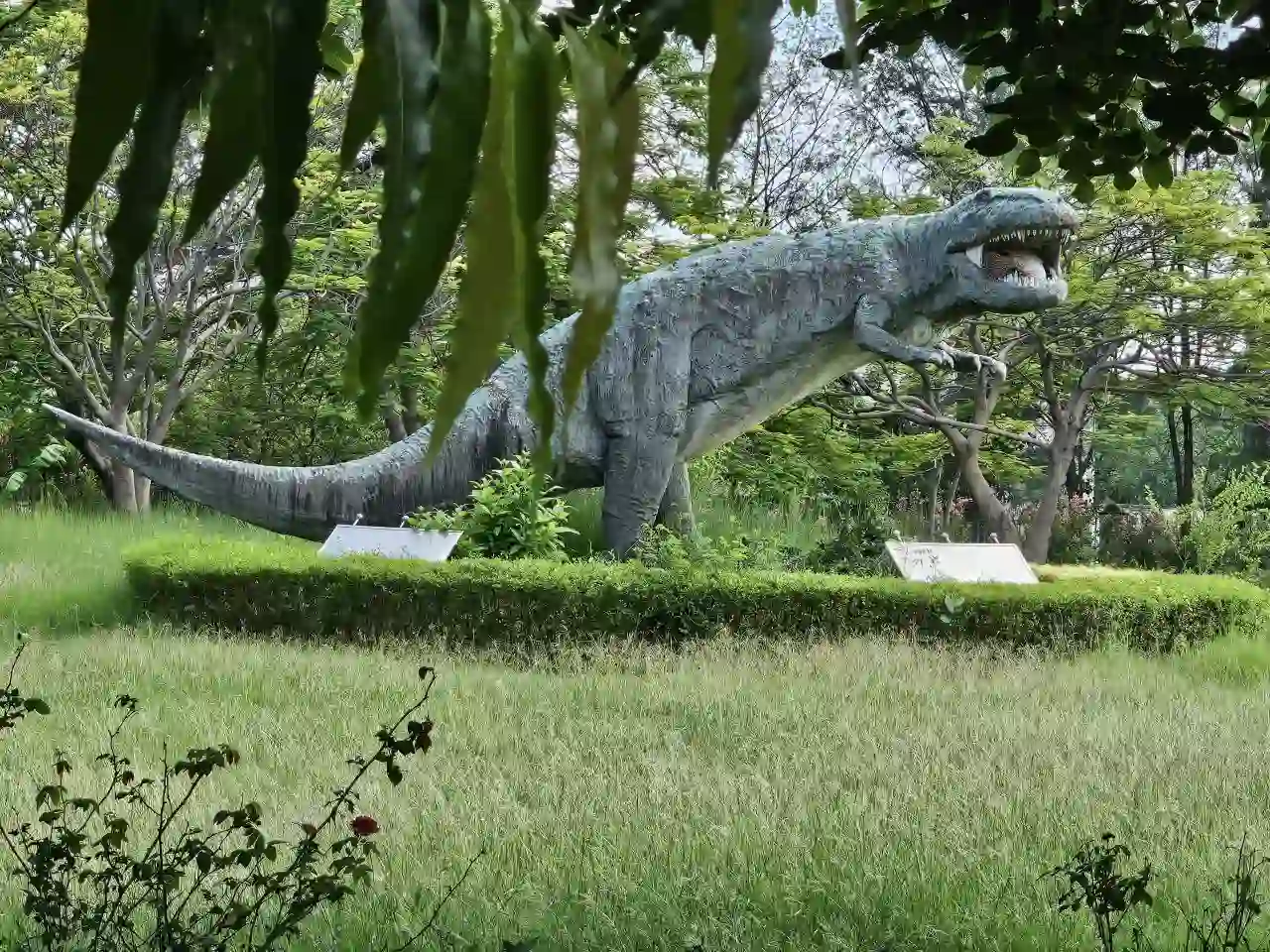
Rajiv Gandhi Regional Museum of Natural History, Ranthambore
| How It Compares to India's Other Regional Natural History Museums | ||
|---|---|---|
| Museum | Year Opened | Notable For |
| Regional Museum of Natural History, Mysore | 1995 | Oldest of the four; strongest overall collection |
| Regional Museum of Natural History, Bhopal | 1995 | Focus on central Indian ecosystems |
| Regional Museum of Natural History, Bhubaneswar | 2004 | Eastern India biodiversity; better-funded exhibits |
| Rajiv Gandhi Regional Museum of Natural History, Sawai Madhopur | 2014 | Newest of the four; still incomplete, with only 1 of 5 planned galleries open |
If you’ve visited the Mysore or Bhubaneswar museums before, temper your expectations here — this is the least developed of the four by a fair margin. If this is your only stop at a regional natural history museum in India, it does the job well enough.
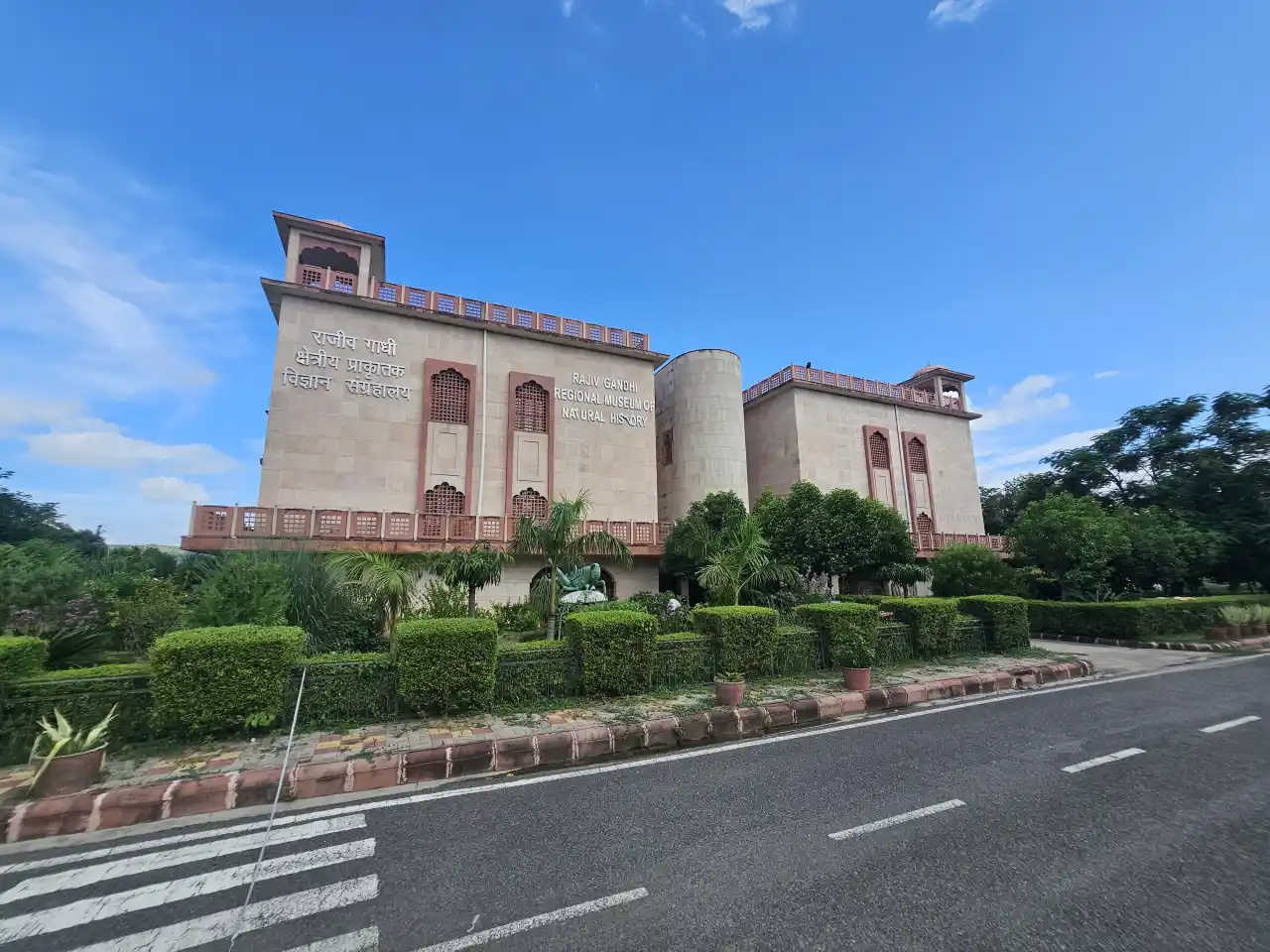
Rajiv Gandhi Regional Museum of Natural History
Nearby Attractions Worth Combining With Your Visit
Since the museum only takes up part of a morning, pair it with other nearby stops for a fuller day:
Ranthambore Fort — a UNESCO World Heritage Site and the single most historically significant stop in the area
Trinetra Ganesh Temple — situated within the fort complex, renowned for its religious importance
Chamatkar Jain Temple — quieter, with notable temple architecture
Kachida Valley — a scenic drive with a real chance of spotting leopards or sloth bears
Rameshwar Ghat — a peaceful riverside stop, best visited in the early morning
A realistic combo for most travellers: museum in the morning ahead of your safari, then the fort and temples in the afternoon once midday heat makes outdoor safari-adjacent stops less appealing anyway.
Rajiv Gandhi Museum Sawai Madhopur — Same Place, Different Spelling
If you’ve seen it written as “Rajiv Gandhi Museum” or “Rajiv Gandhi Museum, Sawai Madhopur,” don’t worry — you’re not looking at a different attraction. These are simply common spelling variations for the same Rajiv Gandhi Regional Museum of Natural History near Ranthambore. There’s only one museum here, regardless of which spelling brought you to this page.
FAQs
What are the Rajiv Gandhi Museum Ranthambore timings? The museum is open from 10:00 AM to 5:00 PM daily, except Mondays and national holidays.
What are the Sawai Madhopur museum timings? They’re the same as above — 10:00 AM to 5:00 PM, closed Mondays. The museum falls within Sawai Madhopur district, so both names refer to the same schedule.
Is there an entry fee? Based on recent visitor reports, entry is free. It’s worth confirming locally, since fee policies at government-run sites can change without advance online notice.
How far is the museum from Ranthambore National Park? About 9 km from Sawai Madhopur town, close enough to the safari zone gates to combine easily with a safari trip.
How much time should I set aside? Around 30 to 45 minutes. Only one gallery is currently open, so it’s a short, focused stop rather than a half-day outing.
Is it suitable for young kids? Yes — this is one of its clearest strengths. The dioramas and displays are approachable for children and work well as a gentle pre-safari introduction to wildlife and conservation.
Can I visit without a safari booking? Yes. The museum operates independently of safari bookings, so you can visit as a standalone stop if you’re in the Sawai Madhopur area for any reason.
Is the “Rajiv Gandhi Museum Sawai Madhopur” a distinct location? No — it’s the same museum. The spelling variation is common in search, but there’s only one Rajiv Gandhi Regional Museum of Natural History near Ranthambore.
The Rajiv Gandhi Regional Museum of Natural History won’t be the highlight of your Ranthambore trip, and it doesn’t need to be. Go in expecting a quick, informative stop rather than a world-class museum experience, and it delivers exactly what it promises — a low-cost, low-time way to understand the region before your safari begins.
Pair it with a nearby fort or temple visit, keep your expectations realistic, and you’ll walk away glad you made the stop rather than wondering why you bothered.